A former actor associated with the Academy Award–winning film Dances With Wolves has been sentenced to life in prison in Nevada, marking a dramatic and deeply troubling turn in a case that has captured national attention.
Nathan Chasing Horse, once recognized for his contributions to film and cultural storytelling, now faces life behind bars with the possibility of parole after being convicted on multiple serious charges involving women and underage girls.
The sentencing concludes a lengthy legal process that exposed years of alleged misconduct and abuse, fundamentally reshaping public perception of the former actor.
Inside the Courtroom: Verdict and Sentencing
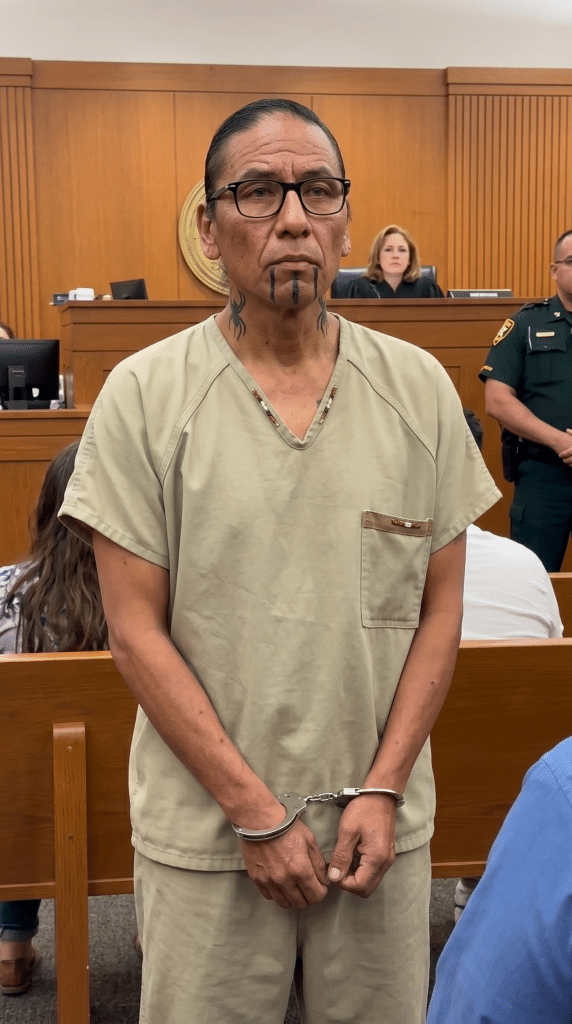
The decision was handed down in a Nevada courtroom following an 11-day trial in which jurors reviewed extensive testimony and evidence. Prosecutors presented a detailed case outlining allegations that spanned several years and involved multiple victims.
The jury ultimately found Chasing Horse guilty on 13 out of 21 charges. While he was acquitted on some counts, the convictions were significant enough to result in a life sentence. Despite the outcome, he continued to deny all wrongdoing during sentencing, describing the verdict as unjust.
Legal experts note that a life sentence with the possibility of parole reflects both the seriousness of the crimes and the structured sentencing guidelines under Nevada law. Parole eligibility does not guarantee release and would require a rigorous review after many years.
Allegations of Abuse and Manipulation
According to prosecutors, Chasing Horse used his public image and perceived spiritual authority to gain the trust of vulnerable individuals, particularly within Indigenous communities.
During the trial, testimony revealed disturbing patterns of manipulation. One of the most critical accounts involved a victim who was reportedly just 14 years old when the abuse began. Prosecutors argued that grooming behavior played a central role, with trust being built over time before escalating into repeated misconduct.
The case also included allegations involving adult women. Prosecutors described a controlled environment in which multiple individuals were referred to as “wives,” suggesting a system rooted in coercion rather than genuine consent.
These testimonies were key in securing convictions and shaping the overall narrative presented in court.
A Case That Sparked Broader Conversations
Beyond the legal outcome, the case has triggered widespread discussion about power, influence, and accountability. Advocates have emphasized the courage of those who came forward, noting that speaking out against a respected or influential figure can be extremely difficult.
Community leaders have also highlighted the importance of safeguarding vulnerable individuals and ensuring that systems exist to support victims who choose to report abuse.
The case underscores a broader issue: how authority and trust can be misused, particularly when individuals are placed in positions of influence.
From Recognition to Conviction
Before the case emerged, Chasing Horse had been associated with several film and television productions, including Dances With Wolves. At one point, he was seen as a figure connected to the representation of Indigenous culture in media.
That reputation has now been permanently overshadowed by the outcome of this case.
The contrast between past recognition and present conviction has made the story even more striking for many observers, reinforcing the idea that no individual is above the law.
What Happens Next?
While the sentencing marks the conclusion of the trial phase, the long-term impact of the case is expected to continue. Any future parole consideration would involve a detailed legal process and careful evaluation.
For victims and their families, the verdict represents a step toward justice, though it cannot undo the harm described during the trial.
Legal analysts suggest that the case may also influence future discussions around abuse, authority, and legal protections within communities.
A Lasting Reminder About Accountability
This case serves as a powerful reminder that status, recognition, or past achievements do not shield individuals from legal consequences. It highlights the importance of accountability, especially for those in positions of trust.
As conversations continue, the focus remains on awareness, justice, and ensuring that similar situations are prevented in the future.


