
Sometimes a familiar actor’s face brings back a movie before we can remember his name.
We recall a scene, a conversation, or a character who made a brief but lasting impression. Then comes that pleasant moment of recognition: “Of course—I’ve seen him in so many things.”
Steve Eastin belongs to that familiar company.
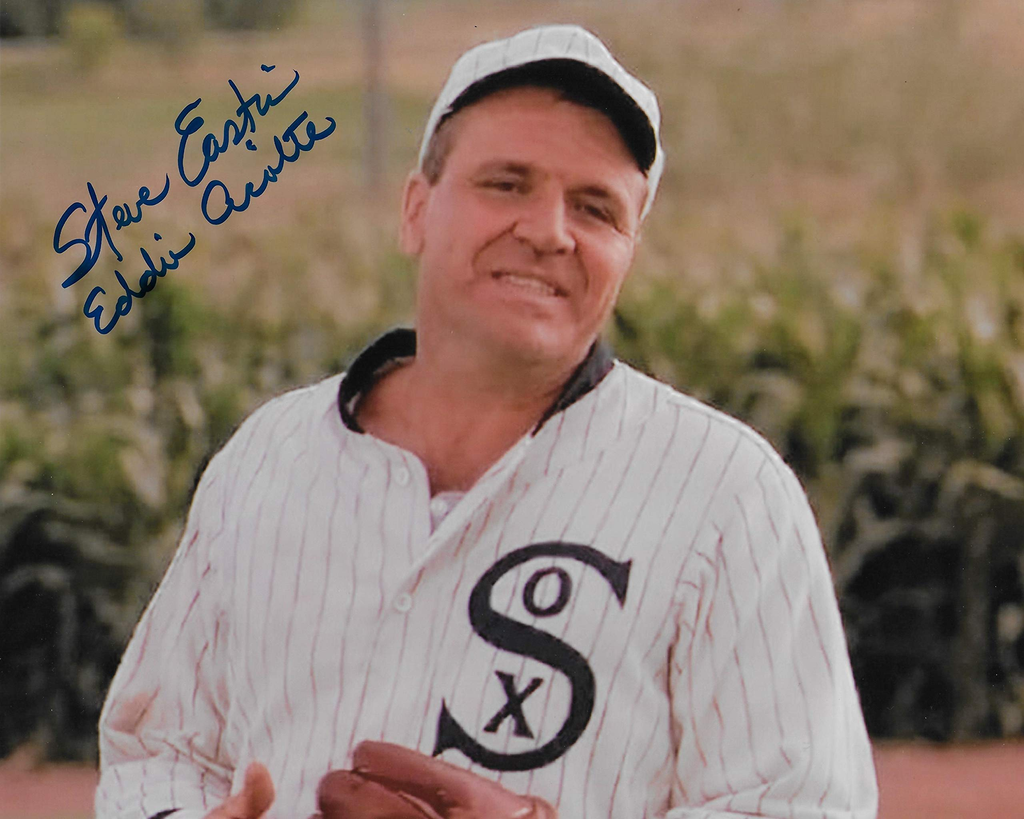
His screen credits include Field of Dreams, Catch Me If You Can, and Up in the Air, films that introduced him to audiences across different generations. The American Film Institute lists him as Eddie Cicotte, Paul Morgan, and Samuels in those three productions, respectively
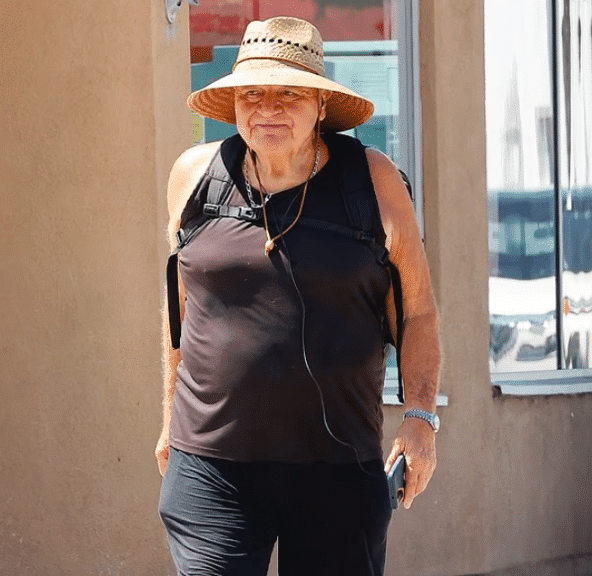
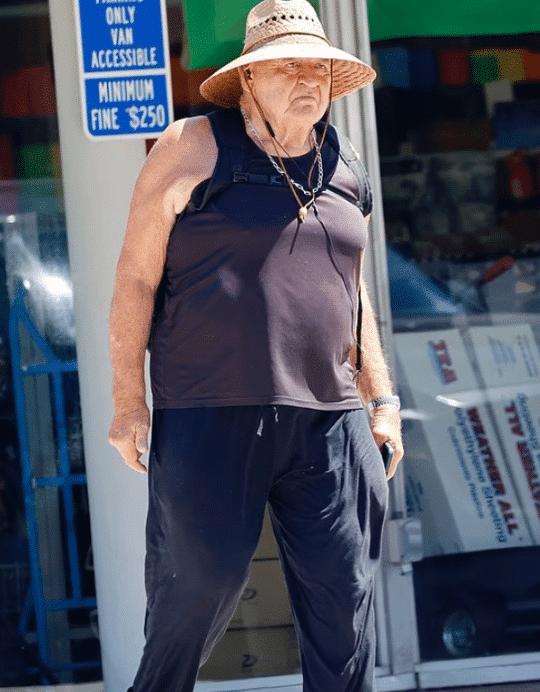
Photographs of Eastin away from his screen roles offer a welcome reason to revisit his work—and to appreciate the supporting actors who help make favorite movies feel complete.
The Familiar Faces Who Make Movies Feel Real
Leading actors may receive the largest photographs on a movie poster, but a convincing story depends on an entire cast.
Someone must play the colleague across the desk, the official asking questions, the neighbor with something important to say, or the ballplayer waiting for his turn on the field.
Those performances require a particular kind of skill. An actor may have only a few minutes to suggest a working life, a personality, and a reason for being in the story.
When it works, audiences accept the character without stopping to consider the effort involved.
Eastin’s career offers an opportunity to notice that work. His familiarity comes from appearing in different stories, bringing a recognizable presence while serving the needs of each scene.
For longtime moviegoers, recognizing such an actor can feel like spotting an old acquaintance in an unexpected place.
A Childhood Dream Inspired by Errol Flynn
Eastin’s interest in performing began far from a Hollywood film set.
In a 2019 interview with Burbank Arts, he recalled watching Errol Flynn’s Robin Hood as a six-year-old growing up in Wray, Colorado. He was so fascinated that he wanted to wait for the performers to emerge from behind the movie screen and ask how he could do what they did.
It is a charming memory of childhood imagination meeting the magic of the movies.
Many older readers will recognize the feeling, even if their own inspiration came from a different performer. Perhaps it was a Saturday matinee, a Western watched with a parent, or a musical that made an ordinary afternoon feel extraordinary.
Before learning about cameras, editing, or sound stages, a child simply sees a world that seems alive.
For Eastin, that early fascination became the beginning of a professional path.
Learning the Craft Before Becoming a Familiar Face
Eastin’s background included theater and college productions before his film and television career developed. He attended the University of Northern Colorado and later received a teaching fellowship at the University of Arizona. His early screen experience included an uncredited appearance in the 1972 Western Joe Kidd, starring Clint Eastwood.
That progression gives useful context to a career audiences may know only in scattered glimpses.
A familiar screen presence usually develops through years of preparation: rehearsals, auditions, small opportunities, and the steady process of learning how to work with other performers.
The finished movie rarely reveals those beginnings.
Looking back at Eastin’s path reminds us that the person who seems perfectly at home in a scene may have spent years acquiring that ease.
When Baseball and Acting Met in “Field of Dreams”

One of Eastin’s most appealing career connections involves two childhood ambitions.
In his Burbank Arts interview, he remembered telling his father that he wanted to become either a major-league pitcher or a movie actor. Years later, playing pitcher Eddie Cicotte in Field of Dreams brought those interests together on a movie baseball diamond.
For viewers who cherish the film, that detail adds another layer of affection.
Baseball carries a special place in many American family memories: a glove kept by the back door, a radio broadcast on a summer evening, or a parent patiently teaching a child how to throw.
Field of Dreams draws on those associations. Returning to it years later can stir memories of the people with whom we first watched it.
Learning about Eastin’s childhood ambition makes his participation especially fitting.
A Career That Reached Across Different Kinds of Movies
Eastin’s work also extended to films with very different moods, including Con Air, Catch Me If You Can, and Up in the Air. He identified those titles among his credits when discussing his career with Burbank Arts.
That variety helps explain why different viewers recognize him for different reasons.
One person remembers an action movie watched on a weekend. Another recalls a drama seen at the theater. Someone else recognizes him during a television rerun and reaches for the remote to check the credits.
Supporting actors create these connections across our viewing lives.
Their careers can quietly link movies we watched decades apart, providing a thread of familiarity even as filmmaking styles and our own tastes change.
Sharing Experience With Other Actors
Teaching has also been part of Eastin’s professional life.
In the same 2019 interview, he described himself as the owner and instructor of the Steve Eastin Acting Studio and explained that his classes included on-camera practice. A 2011 Backstage guide also documented his acting workshops.
Teaching offers another way for an experienced performer to contribute to the craft.
A student can study a finished scene, but guidance from a working actor may help explain the choices and habits behind it: listening carefully, responding naturally, and remaining attentive to another person.
Those lessons are valuable because good acting often looks deceptively simple.
The Pleasure of Finally Knowing the Name
There is satisfaction in putting a name to a face that has accompanied years of movie watching.
It gives us a reason to revisit a favorite film and pay closer attention. A supporting performance that once passed almost unnoticed may become the detail we appreciate most.
Steve Eastin’s career rewards that kind of second look.
His appearances connect childhood dreams, years of practice, memorable films, and experience shared with other performers. For audiences who have recognized him again and again, learning more about his work adds something meaningful to that familiarity.
The next time his name appears in the credits, it may prompt a smile—and a memory of the many movie evenings in which he has already played a part.