
Some television personalities stay with us long after we forget the programs surrounding them. A familiar smile or a distinctive voice can bring back the feeling of an entire afternoon—the television playing in the living room, something simmering in the kitchen, and a family settling into its everyday routine.
For viewers who remember American television in the 1970s, Mason Reese may be one of those familiar faces.
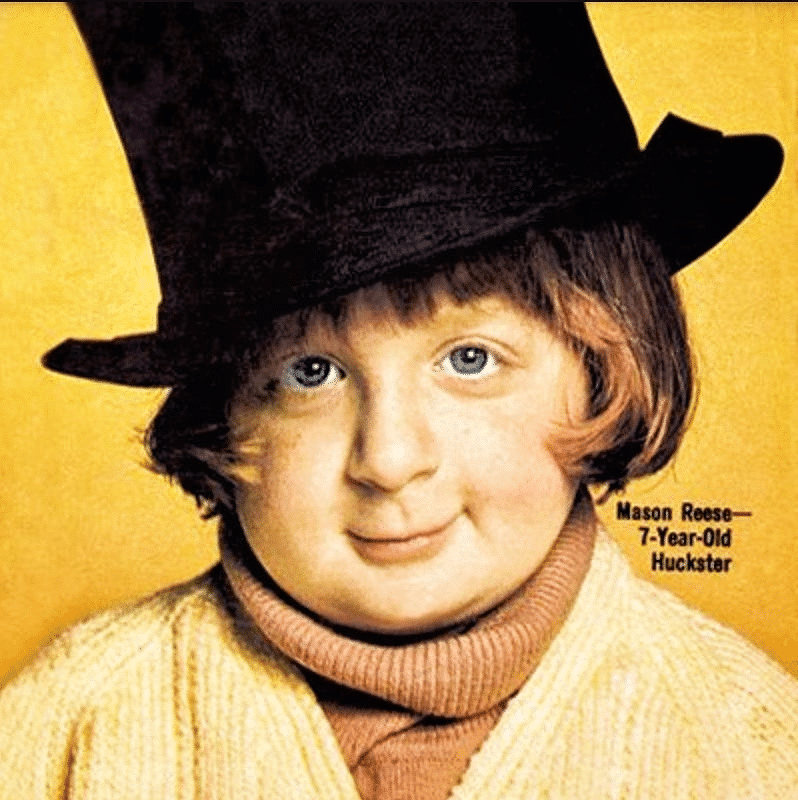
With his red hair, expressive delivery, and remarkably assured presence, Reese made an impression in commercials for brands including Underwood Deviled Ham, Dunkin’ Donuts, and Post Raisin Bran. His appearances helped turn a young commercial performer into a recognizable television personality
Seeing photographs of him as an adult invites more than a moment of recognition. It opens a small doorway into a television era that many people still remember with affection
When a Familiar Face Became Part of the Household
Television once had a particular place in American family life.

Before viewers could choose from endless streaming libraries, many households watched from a smaller selection of channels. Programs arrived at scheduled times, and the commercial breaks between them became familiar through repetition.
Those short advertisements sometimes created personalities as memorable as the shows themselves.
Reese belonged to that world. He could catch a viewer’s attention in the brief space between one scene and the next, leaving an impression that lasted far longer than the advertisement.
For someone remembering those years, his face may bring back a childhood home, an afternoon spent visiting relatives, or the comfortable sound of a television playing while the family went about its day.
That is one of the quiet pleasures of revisiting older entertainment. We remember the performer, but we also remember where we were.
The Commercial That Helped Make Him Memorable
Among Reese’s best-known appearances was his Underwood Deviled Ham commercial, remembered for his playful rendering of the word “smorgasbord.”
The moment worked because it gave viewers something small and distinctive to remember. An ordinary product advertisement became attached to a personality.

His appeal also extended beyond commercials. Reese became a recurring guest on The Mike Douglas Show, where conversation gave him more room to display the humor and confidence viewers recognized from his advertising work
Watching a commercial and watching an interview are different experiences. One depends on a short, carefully prepared message; the other asks a guest to listen, respond, and hold an audience’s interest.
For viewers who knew Reese from both settings, those appearances helped make him feel like a familiar visitor.
Remembering the Easy Company of Daytime Television
There was a particular rhythm to daytime talk shows: a host welcoming guests, a conversation taking an unexpected turn, and moments of humor that did not need elaborate production.
Archival commentary on Reese’s appearances highlights his quick exchanges with Mike Douglas, offering a glimpse of why the young performer stood out in that setting.
For many older viewers, the appeal of such programs went beyond any single guest. They offered company during an ordinary day.
A television might be playing while someone folded laundry, prepared lunch, or took a well-earned break. Familiar hosts and returning guests became part of that routine.
Remembering Reese brings back some of that atmosphere—the feeling of entertainment arriving at home with a conversational ease.
Growing Up Beyond a Childhood Image
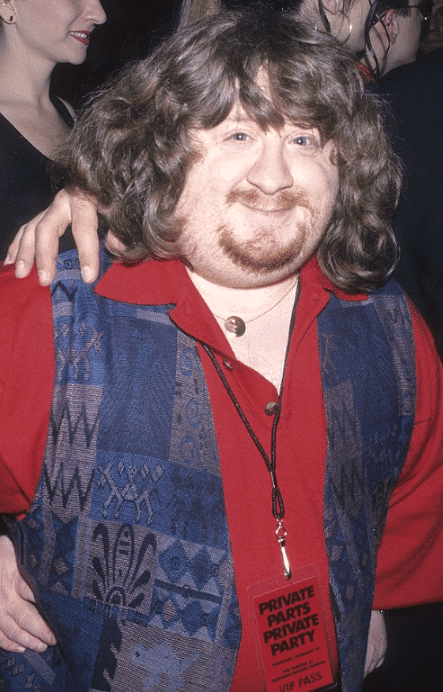
Child performers occupy an unusual place in public memory.
Audiences may continue picturing them exactly as they appeared decades earlier. The familiar hairstyle, expression, and voice remain fixed, even as the person continues through the ordinary changes of adulthood.
That makes later photographs unexpectedly moving.
The surprise often says as much about our memories as it does about the performer. We know time has passed, yet seeing the evidence can make those years feel suddenly tangible.
A thoughtful look back leaves room for both versions: the young entertainer people remember and the adult whose experiences extend well beyond that early recognition.
Reese’s childhood work remains part of his story, but it does not have to define every chapter.
A Different Kind of Career in New York
Reese later moved into the restaurant business, with ventures in New York City that included Paladar and Destination Bar and Grille. That career gave him another professional identity beyond his early television appearances.
Restaurant work involves a different relationship with an audience. Guests come looking for a pleasant meal, attentive service, and a place where they feel welcome.
There is something appealing about that change of setting—from reaching people through a screen to welcoming them into a shared space.
His path also offers a useful reminder about familiar public figures. The work audiences remember most vividly may be only one portion of a much longer working life.
Later accomplishments can happen in places that receive far less national attention while still requiring commitment, judgment, and daily effort.
A Familiar Face, With More Life Beyond the Screen
Looking back at Mason Reese offers the pleasure of recognition and the perspective that comes with time.
There is the young performer remembered from commercial breaks and talk-show conversations. There is also the adult who pursued a different career beyond those early appearances.
Both belong in the picture.
For viewers who remember him, the warmest part of seeing that familiar face again may be the memories it brings along: an old living room, a well-used television remote, and an ordinary afternoon that became precious only years later.