
Photographs of Loni Willison carrying her belongings through city streets have prompted concern from people who remember her modeling career. Once photographed at entertainment events and featured in fitness publications, she later became the subject of reports about homelessness and the struggle to meet basic needs.
The contrast attracts attention, but it tells only part of her story. Behind the images stands a woman with a professional history, a difficult marriage, and personal experiences that brief encounters with photographers cannot fully explain.
Understanding Loni Willison’s life requires looking beyond changes in appearance. Her own statements, alongside carefully attributed reporting, offer a more meaningful picture than a dramatic comparison between past and present.
Who Is Loni Willison?
Born in 1983, Loni Willison worked as a fitness model before her personal circumstances became a recurring subject of entertainment coverage. The supplied account identifies magazine appearances among her professional credits and describes a period when exercise and modeling formed part of her working life.

She also worked as an assistant at a cosmetic surgery practice, according to reporting about her earlier employment. Her public identity therefore extended beyond posing for photographs or attending events. She held a job outside modeling and maintained responsibilities that received much less attention.
That background matters. A person’s hardest circumstances should not erase the work and experiences that came before them.
Her Marriage to Jeremy Jackson
Willison married actor and singer Jeremy Jackson in 2012. Jackson was familiar to television viewers through his role on Baywatch, and their relationship brought her additional public attention.
The marriage ended in 2014, after approximately two years. Later coverage frequently connected that separation with the difficulties she described in the years that followed.
However, a relationship timeline cannot explain every subsequent event. Employment, housing, personal safety, and health each form part of the account, and the available reporting does not provide a complete record of how those pressures interacted.
Allegations Surrounding the Separation

Willison alleged that Jackson physically harmed her during their marriage. The supplied article describes police attending their home in August 2014 following a reported disturbance.
These remain allegations that require attribution. Later reporting states that Jackson denied harming her. Presenting both positions avoids treating a disputed account as an established court finding.
Her Perspective on the Relationship
In a 2023 interview, Willison linked her difficulties to her former marriage and blamed her ex husband for the direction her life had taken.
That statement offers insight into how she understood her experiences. It does not independently establish every cause of her later circumstances.
Employment Loss and Financial Instability
The supplied account describes a period in which Willison lost employment, struggled financially, and eventually lost stable housing.
It also reports that she could no longer maintain the routine needed to pursue modeling assignments. Taken together, those changes suggest the disappearance of several sources of stability rather than one isolated professional setback.

Losing work can mean losing more than income. It can also interrupt daily structure, familiar relationships, and the ability to plan ahead.
In Willison’s case, the public account contains gaps. The precise sequence of every job, financial problem, and housing change remains less clear than headlines sometimes imply.
Reports of Homelessness Emerged by 2018
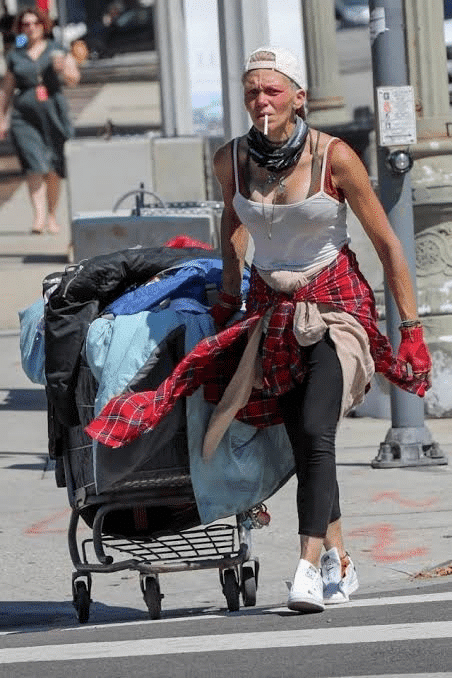
By 2018, published photographs and reports showed Willison living without stable housing and moving belongings in a shopping cart. Contemporary coverage described her searching discarded items for things she could use.
Sources differ on when her homelessness began. For that reason, 2018 works more reliably as a point when her circumstances received public coverage than as a confirmed starting date.
The distinction may seem small, but accurate timelines help readers understand a life without forcing uncertain details into a neat narrative.
Her experiences also continued beyond that first wave of attention.
Daily Survival Behind the Photographs
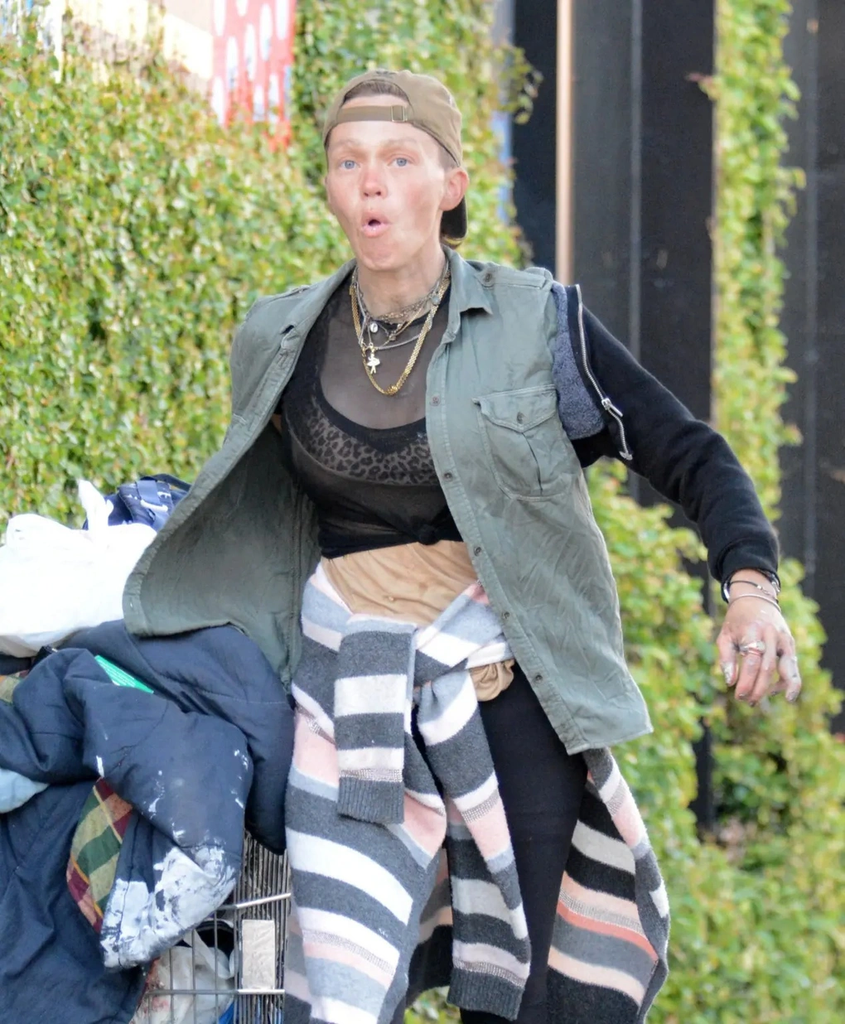
The supplied article describes Willison carrying large bags, wearing practical footwear, and transporting clothing and bedding through the streets.
Those objects represent everyday necessities. When someone lacks a secure room, belongings that others leave at home must travel with them.
Willison has also described searching for food near stores and among discarded items. Such accounts bring the focus back to basic needs: something to eat, somewhere to rest, and a way to keep essential possessions nearby.
A photograph may capture a shopping cart. It cannot show every decision required to protect what that cart contains.
Personal Safety and Her Own Account
In earlier interviews, Willison said people had taken her belongings and that she feared unwanted attention.
She described changing her appearance as an attempt to protect herself. Those statements give important context to images that entertainment coverage sometimes presents mainly as evidence of physical change.
Her account reflects the insecurity she said she experienced. It should not become an invitation to ridicule her clothing, hair, or hygiene.
What would daily life feel like if there were no dependable place to close a door, store a bag, or sleep without interruption? That question deserves more consideration than an appearance comparison.
Health Claims Require Careful Treatment
Media reports have discussed possible health concerns and substance use in connection with Willison. Her interviews have also included unusual explanations for why she felt unable to stay indoors.
However, publicly available photographs and short conversations do not establish a clinical diagnosis.
Her statements can be reported as her statements without endorsing them as medical facts or attaching an unsupported label. The same care applies to claims made by acquaintances or unnamed sources.
Readers can recognize distress and express concern while accepting that important parts of a person’s health history remain private.
Why Her Story Deserves Compassion
Much of the interest in Willison comes from the distance between her earlier career and later photographs. Yet dignity does not depend on someone having once worked as a model.
Her professional history provides context, while her own words reveal fears and practical concerns. Neither should become material for humiliation.
There is also no verified recovery outcome in the supplied account. Hope should remain hope, without inventing a rescue, treatment programme, or reunion that the reporting does not establish.
Conclusion: Seeing the Person Behind the Coverage
Loni Willison’s story includes fitness modeling, employment outside entertainment, a short marriage, financial instability, and years of reported homelessness.
The available accounts provide meaningful details but leave important questions unanswered. A thoughtful retelling acknowledges those limits, attributes allegations, and avoids diagnosing from photographs.
Above all, her circumstances call for compassion. Beyond the headlines is a person whose safety, privacy, and dignity still matter.