
An old photograph of Marlon Brando can bring back an entire era of moviegoing. For some readers, it recalls the young actor whose presence made a black-and-white drama feel startlingly immediate. For others, it brings to mind the measured voice and commanding stillness of The Godfather.
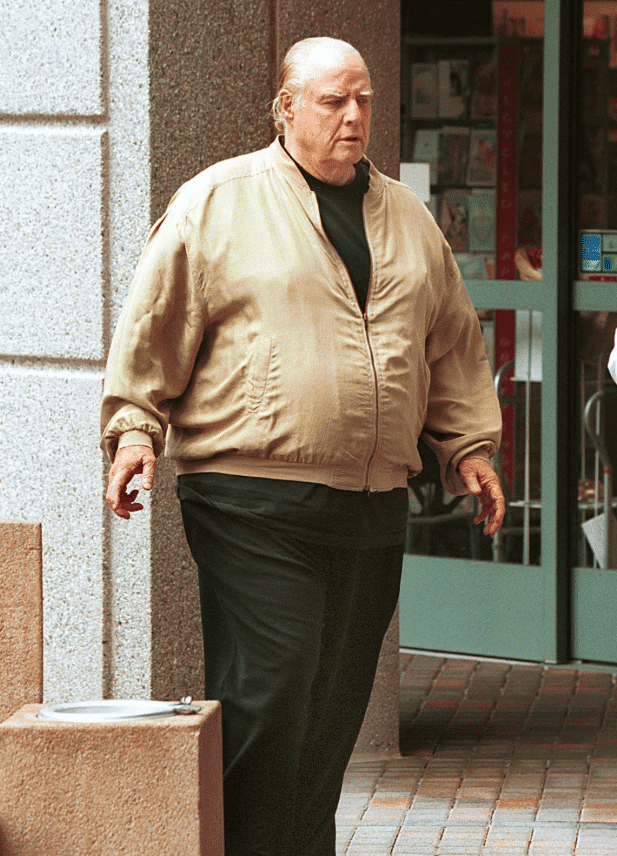
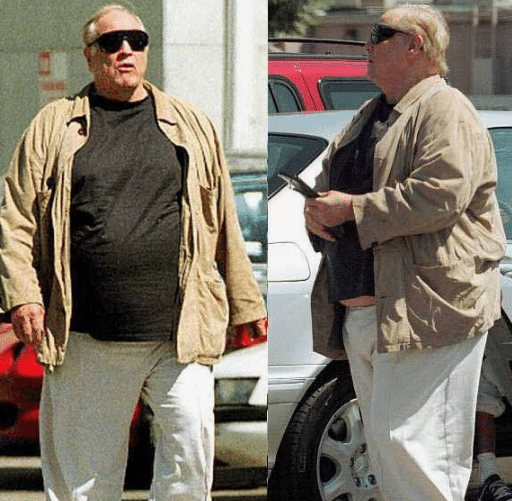
Photographs from different decades show how his appearance changed over time. But the more meaningful story lies in the performances that made him recognizable across generations.
Brando died on July 1, 2004, so these images offer a retrospective of his life rather than a glimpse of a current transformation. They invite us to remember an actor whose work remains worth watching closely
The Young Actor Who Demanded Our Attention
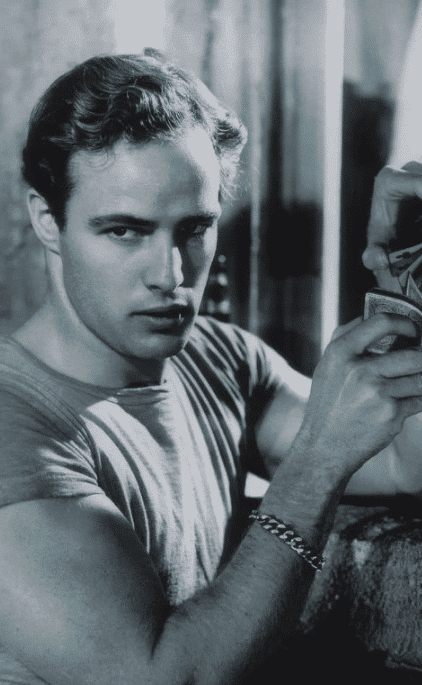
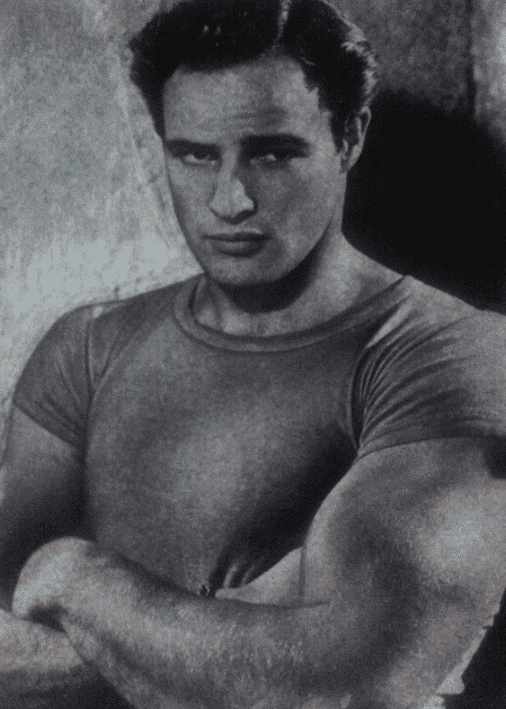
Brando made his screen debut in The Men in 1950. The following year, his performance in A Streetcar Named Desire became an important early milestone in his film career
Watching those early performances today, it is easy to understand why audiences noticed him. He could make a character feel restless, guarded, or emotionally exposed through details that seemed to arise naturally within a scene.
His presence encouraged viewers to pay attention to more than dialogue. The way he listened, moved, and responded could be as revealing as the words he spoke.
For longtime film lovers, those qualities remain compelling. An older movie may look different from contemporary productions, yet a convincing performance can still feel close and immediate.
When A Streetcar Named Desire Reached the Screen
In the 1951 film adaptation of Tennessee Williams’ play, Brando portrayed Stanley Kowalski under the direction of Elia Kazan. His performance became closely associated with a developing style of American acting that emphasized emotional and behavioral detail.
The role is remembered for its intensity, but its impact also comes from the tension within ordinary exchanges. A room, a conversation, and a change in tone can become charged with meaning.
For viewers encountering the film years later, it offers a chance to see a familiar actor before the later roles that would reshape his screen identity.
It also reminds us how much a performance can contribute to a film’s atmosphere. Brando’s character occupies the room in ways that keep the audience alert.
The Lasting Emotion of On the Waterfront
In On the Waterfront, Brando played Terry Malloy, a former prizefighter working on the docks. The performance earned him the Academy Award for Best Actor at the 1955 ceremony.
The character’s uncertainty gives the film much of its emotional force. Viewers watch a man struggling with decisions and with the life that has brought him to that point.
For an older audience, such a story can acquire additional meaning over time. Experience changes how we understand disappointment, loyalty, and the difficulty of choosing a different path.
A film first remembered for its dramatic moments may later hold our attention through quieter ones. We notice hesitation, regret, and the effort required to speak honestly.
That is one of the rewards of returning to a powerful performance after many years.
A Different Presence in The Godfather
When The Godfather arrived in 1972, Brando offered audiences another enduring screen character. The film, directed by Francis Ford Coppola, brought Mario Puzo’s novel to the screen and earned Brando another Best Actor award
His performance demonstrates how authority can be conveyed through restraint. A measured response or a pause may hold the viewer’s attention as firmly as a raised voice.
For many moviegoers, the film also carries memories of the occasion on which they first watched it. Perhaps it was a theater visit with friends, or an evening at home when everyone agreed to settle in for a longer movie.
Those personal associations become part of its lasting appeal. We remember the performance alongside the people who experienced it with us.
Looking at Later Photographs With Perspective
Images from Brando’s later years naturally differ from the portraits taken near the beginning of his career. Time changes faces, clothing, and the way people present themselves.
Those differences do not provide a reliable explanation of someone’s private feelings or health. A photograph cannot establish why a person’s appearance changed.
For readers looking through an old family album, that distinction is familiar. We recognize people across decades through expressions and gestures, even as other details evolve.
Brando’s photographs deserve the same thoughtful perspective. They record different periods of a life whose artistic significance extends well beyond any single image.
Why His Performances Still Invite Another Viewing
Brando’s work rewards attention to small choices. A character may begin a sentence confidently and finish it with uncertainty. A gesture may suggest discomfort that the dialogue leaves unspoken.
Those details give viewers something to interpret. They create the impression of a person thinking and responding within the scene.
Watching again can reveal something we missed before. Our knowledge of the plot leaves more room to study the performance itself.
It is a pleasure familiar to anyone who has returned to a favorite classic. The story remains the same, while our attention—and our understanding—has changed.
The Memories Behind a Familiar Face
For generations of audiences, Marlon Brando remains connected to films that became part of their own lives. His image may recall a neighborhood theater, a late-night television showing, or a conversation with someone who loved classic movies.
That connection is more lasting than a comparison between youthful and later photographs. It rests in the scenes viewers remember and the feelings those scenes continue to awaken.
Looking back at his career offers an opportunity to revisit both the work and the memories surrounding it.
Choose a familiar film, let it unfold, and watch the details. The face on screen belongs to another era, but the performance may still give you something new to notice.