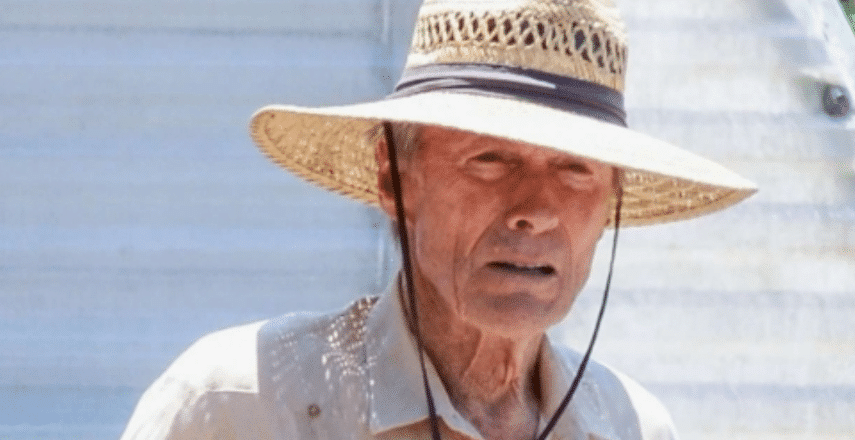
Some movie stars remind us of a particular film. Clint Eastwood can bring back an entire stretch of life: evenings watching Westerns with our parents, a Saturday trip to the theater, or a movie discussed with friends long after the credits ended.
Born in San Francisco on May 31, 1930, Eastwood turned 96 in May 2026. His career connects several generations of viewers, from those who first knew him through television to audiences who discovered him as an acclaimed director.
Looking back at his work offers more than a list of memorable titles. It provides a journey through changing tastes, familiar screen characters, and the personal memories that make certain movies stay with us.
When Rawhide Brought Him Into American Living Rooms
Before the international movie fame, Eastwood became familiar to television audiences through Rawhide. The Western series gave him an important early platform and helped establish the screen presence viewers would come to recognize.
For many older Americans, remembering a television Western means remembering the household around it. There might have been a father in his favorite chair, children gathered nearby, and someone asking for quiet when the program began.
Entertainment followed a shared schedule. You watched when the show aired, and the next day its story might become part of a conversation at work or school.

Eastwood’s early television years belong to that experience. His familiar face became part of an ordinary evening at home before it became an attraction on theater marquees.
The Western Roles That Changed His Career
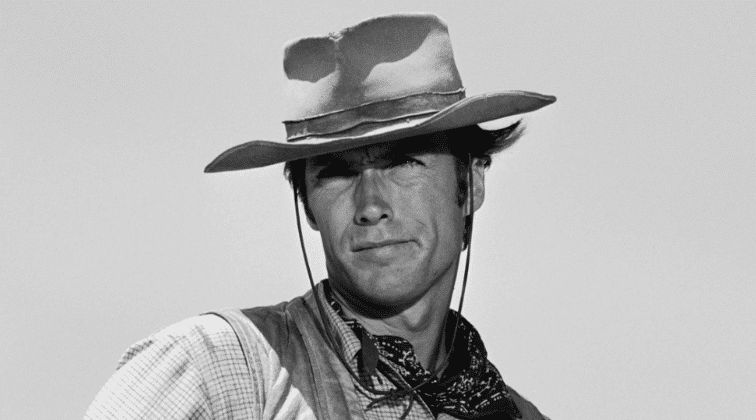
Eastwood’s collaboration with director Sergio Leone brought him international recognition through the “Dollars” trilogy. Those films helped establish one of his most enduring screen identities: the reserved Western figure whose presence could dominate a scene with very little dialogue.
For viewers accustomed to more talkative heroes, that restraint had a distinctive appeal. A pause or a watchful expression could make the audience lean forward, waiting for the next decision.
The films also had an atmosphere that lingered in memory. Their landscapes, music, and deliberate pacing gave the stories a recognizable character.
Years later, a photograph of Eastwood from that period can bring those impressions back almost immediately. We remember how the films felt, even when individual plot details have faded.
From Western Landscapes to City Streets
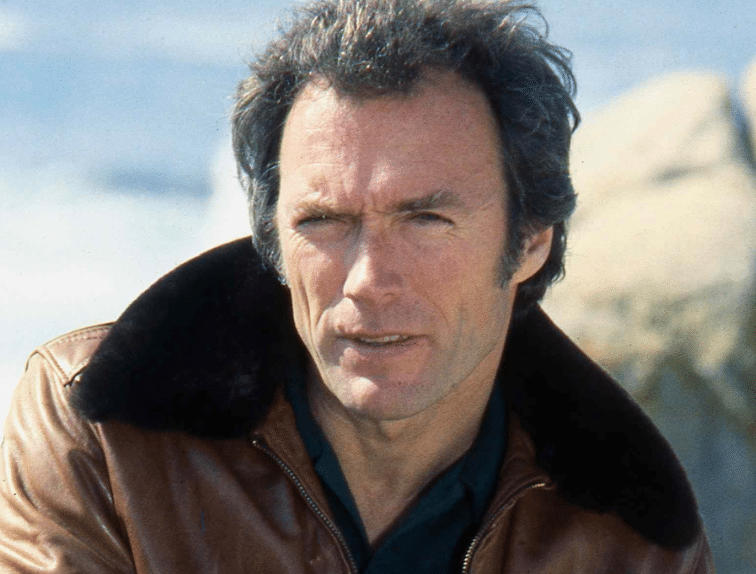
The Dirty Harry films added another prominent chapter to Eastwood’s career. His successful movies of the 1970s helped make him a household name beyond his earlier Western roles
The change in setting brought a different atmosphere. Open landscapes gave way to city streets, while the familiar controlled delivery remained.
For longtime moviegoers, these films may recall the experience of choosing a feature from the newspaper listings, meeting friends outside the theater, and discussing the ending on the way home.
Returning to an older film can also reveal how our reactions have changed. A character we once watched mainly for excitement may later prompt questions about judgment, responsibility, and the choices the story presents.
That changing perspective is part of the pleasure of revisiting movies over a lifetime.
A Director Whose Career Kept Expanding
Eastwood’s reputation eventually grew far beyond the characters he played. As a director, he earned major recognition for Unforgiven and Million Dollar Baby, both of which won Academy Awards for Best Picture and Directing.
Those achievements give his career a remarkable shape. The performer associated with economical dialogue and commanding physical presence also became a filmmaker whose stories could invite sustained reflection.
Watching his work across different decades offers the experience of following an artist through changing interests. Familiar qualities remain, but the subjects and emotional emphasis develop.
For audiences who grew older alongside those films, that progression can feel especially meaningful. Our own priorities change, and we may find ourselves drawn to different parts of a story than we were years before.
Why His Quiet Performances Remain Memorable
One of the enduring attractions of Eastwood’s screen work is its restraint. His characters often leave viewers studying what is unsaid.
That approach gives small details room to matter. A measured reply, a moment of hesitation, or a change in expression can suggest something the dialogue does not explain.
Many experienced viewers appreciate that space. Life has taught them that people do not always announce their feelings clearly, and that a conversation’s meaning may rest in its pauses.
A restrained performance invites participation. We watch closely, interpret what we see, and bring some of our own experience to the scene.
It is one reason a familiar film can remain engaging on another viewing. We already know what happens, but we may notice something different in the way it unfolds.
The Movies Become Part of Our Own History
A long career gives audiences many opportunities to form personal associations. One Eastwood film may belong to childhood, another to the early years of marriage, and another to an evening spent with grown children.
The movie and the memory become connected. We recall who chose it, where we watched it, or the person who always wanted to see it again.
Sometimes the strongest recollection is a small one: laughter from the next seat, a familiar living room, or a conversation that continued after everyone else had gone to bed.
Those details help explain why older movies retain their warmth. They preserve something of the people and places surrounding our first experience of them.
A Career Worth Revisiting
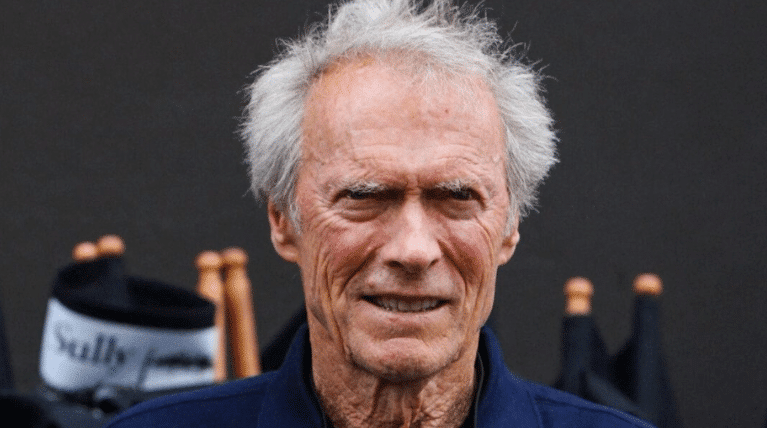
At 96, Clint Eastwood’s place in film history rests on an extensive body of work. His lasting appeal also lives in the memories audiences have attached to it.
Some readers will think first of Rawhide. Others will remember the Leone Westerns, Dirty Harry, or the films that established his reputation behind the camera.
Each offers a different doorway into the past. Revisiting one can remind us how our tastes developed and how many years a familiar performer has accompanied us.
Perhaps the most satisfying tribute is to watch a favorite again. Settle into a comfortable chair, let the opening scenes unfold, and notice what still holds your attention. A movie remembered from long ago may have something new to offer the person you have become.