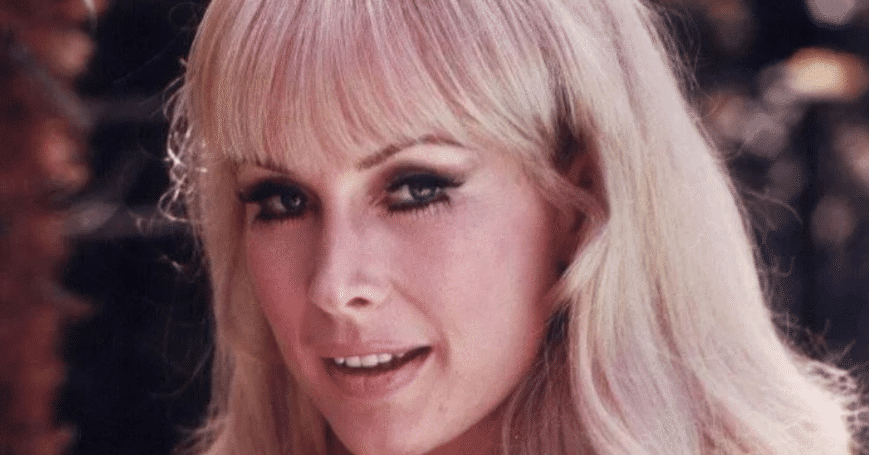
For millions of Americans, Barbara Eden will forever be associated with a pink-and-red costume, a playful blink, and one of television’s most recognizable theme songs.
From 1965 to 1970, she brought warmth, humor, and irresistible charm to NBC’s I Dream of Jeannie. The fantasy sitcom became a familiar part of family evenings, back when viewers gathered around one television set and waited an entire week for the next episode.
Recent photographs of Eden have inspired renewed interest in the actress. Unfortunately, some online discussions have focused almost entirely on her appearance. Such speculation overlooks a far more meaningful story.
Barbara Eden is now 95, and her face reflects more than seven decades in entertainment. She has worked in television, movies, musical productions, and live theater. She has also navigated personal challenges with dignity while remaining remarkably connected to the audiences who made her a household name.
A Childhood Filled With Music and Imagination
Barbara Jean Morehead was born on August 23, 1931, in Tucson, Arizona. Following her parents’ separation, she moved with her mother to San Francisco.
Her childhood unfolded during the difficult years of the Great Depression. Money was often limited, so entertainment came through simple pleasures. Her mother sang songs to the family, filling their home with music when expensive outings were out of reach.
Those early moments helped shape Barbara’s love of performing.
She began singing in her church choir and later performed with local bands as a teenager. Long before television audiences knew her as Jeannie, she imagined a future as a singer.
Barbara attended Abraham Lincoln High School in San Francisco and graduated in 1949. She continued studying music and acting, developing the voice, composure, and stage presence that would later serve her throughout her career.
She also entered local pageants and was named Miss San Francisco in 1951. Yet beauty alone was never her only professional asset. She brought musical training, comic timing, determination, and an impressive work ethic to every audition.
Finding Her Place in Early Television
Barbara began securing television work in the mid-1950s, when the medium was still creating many of the traditions Americans now remember with affection.
Her early appearances included programs such as The Johnny Carson Show, Father Knows Best, I Love Lucy, Perry Mason, and The Andy Griffith Show. These guest roles allowed her to work alongside some of the era’s most respected entertainers.
Her 1957 appearance on I Love Lucy remains especially memorable. Barbara portrayed an attractive new arrival whose presence caught the attention of the male characters, much to Lucy and Ethel’s comic frustration.
Although the part was relatively brief, Barbara made an impression. She later remembered Lucille Ball as gracious, observant, and highly professional.
Before long, 20th Century Fox offered Barbara a contract. The opportunity opened the door to larger movie roles and gave her experience in comedy, drama, adventure, and musicals.
Working With Elvis Presley and Hollywood’s Leading Men
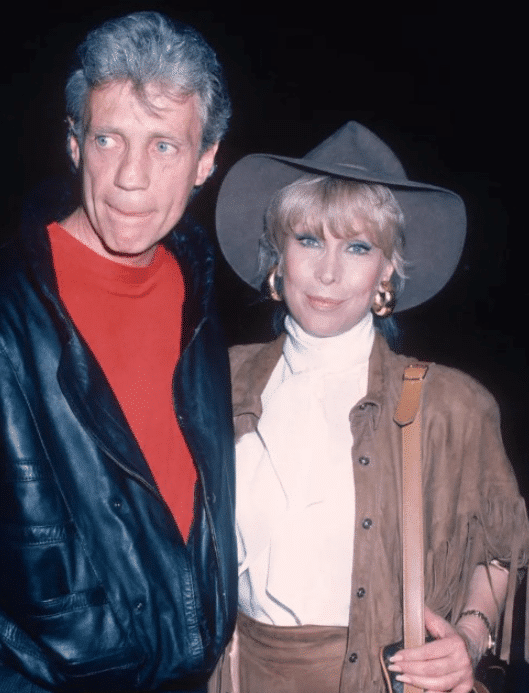
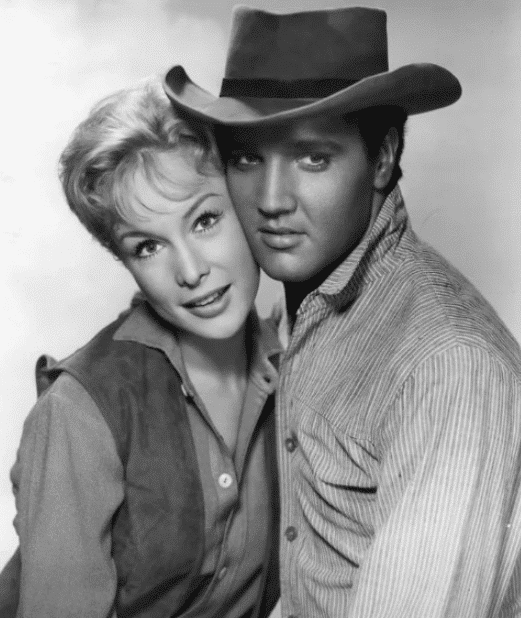
In 1960, Barbara appeared opposite Elvis Presley in Flaming Star. Unlike many of Elvis’ lighter musical pictures, the movie gave him an opportunity to demonstrate his dramatic abilities.
Barbara later recalled him as polite and hardworking. At a time when he was one of the most famous entertainers in the world, working beside him became another memorable chapter in her expanding career.
She subsequently appeared in movies such as Voyage to the Bottom of the Sea, The Wonderful World of the Brothers Grimm, and Five Weeks in a Balloon. She also worked with prominent performers including Paul Newman and James Stewart.
These productions established Barbara as a versatile actress rather than simply a glamorous presence. She could perform comedy, handle dramatic material, and sing when a project required it.
Even so, the role that would define her public image had not yet arrived.
That changed in 1965, when producer Sidney Sheldon began searching for the leading actress in an unusual fantasy comedy.
How Barbara Eden Became Jeannie
Following the popularity of Bewitched, NBC wanted another lighthearted series combining everyday American life with a touch of magic.
The result was I Dream of Jeannie, the story of astronaut Major Anthony Nelson, portrayed by Larry Hagman, who discovers a mysterious bottle after landing on a deserted island. Inside is Jeannie, a spirited magical woman who quickly turns his orderly existence upside down.
Sidney Sheldon reportedly considered numerous actresses before selecting Barbara. He recognized that the role required more than conventional glamour. Jeannie needed innocence, confidence, warmth, and precise comic timing.
Barbara supplied all four.
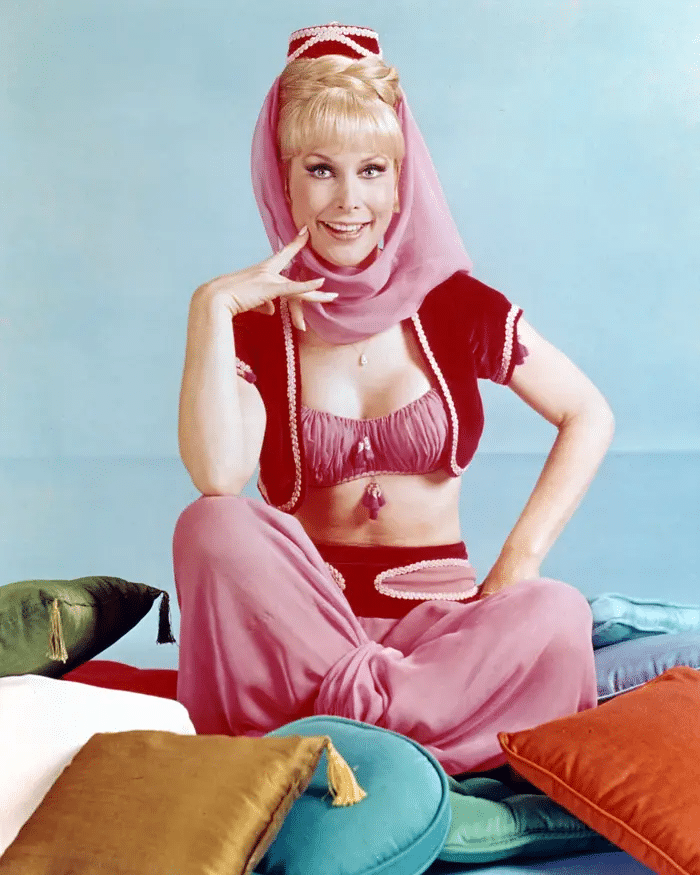
Jeannie could create enormous confusion with a blink, yet Barbara kept the character lovable. Her performance suggested that Jeannie’s magical mistakes came from enthusiasm rather than selfishness. She wanted to help, even when her assistance caused chaos.
The Chemistry That Made the Series Work
Barbara and Larry Hagman developed a lively on-screen rhythm. His increasingly frustrated reactions balanced her cheerful unpredictability.
Their characters were opposites. Major Nelson wanted normal routines, professional respectability, and complete control over his surroundings. Jeannie brought spontaneity, affection, and limitless magical possibilities.
The supporting cast made the formula even stronger. Bill Daily portrayed Nelson’s loyal friend Roger Healey, while Hayden Rorke became a fan favorite as Dr. Bellows, the suspicious psychiatrist who could never quite prove that something unusual was happening.
The series ran for five seasons and produced 139 episodes. Barbara earned two Golden Globe nominations for her performance.
More importantly, she created a character viewers still recognize more than half a century later.
Why I Dream of Jeannie Remains So Nostalgic
To understand the program’s lasting appeal, it helps to remember how Americans watched television during the 1960s.
There were no streaming libraries or instant replays. Families planned their evenings around network schedules. If someone missed an episode, they might wait months for another opportunity to see it.
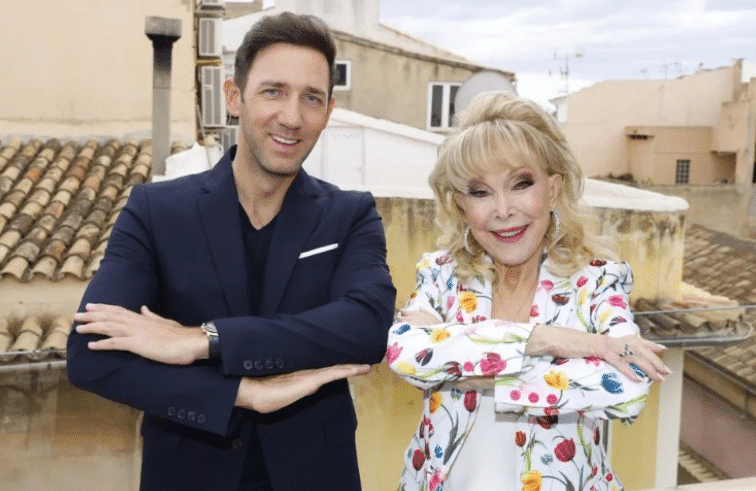
A television show became a shared experience. Children discussed it at school, adults talked about it at work, and entire families recognized the same catchphrases and characters.
I Dream of Jeannie offered cheerful escapism during a period of significant cultural change. Its stories rarely asked viewers to carry a heavy emotional burden. For half an hour, a bottle could contain magic, an astronaut’s living room could become the center of an impossible adventure, and most problems could be resolved before bedtime.
Barbara’s performance stood at the heart of that comforting formula. She made the extraordinary feel friendly.
Building a Career Beyond the Famous Bottle
After I Dream of Jeannie concluded in 1970, Barbara continued working steadily.
She appeared in television movies, variety programs, stage productions, and guest roles. In 1978, she starred in Harper Valley PTA, a comedy inspired by the popular country song. The movie’s popularity led to a television series that ran from 1981 to 1982.
Barbara also returned to Jeannie for reunion projects, including I Dream of Jeannie: 15 Years Later and I Still Dream of Jeannie. These productions gave longtime viewers an opportunity to revisit the character while introducing her to a new generation.
Her stage work further demonstrated her range. She toured in productions such as Woman of the Year, Same Time, Next Year, Last of the Red Hot Lovers, and The Odd Couple: The Female Version.
Performing before a live audience offered something television could not: an immediate human connection. There were no second takes, editing rooms, or carefully selected camera angles. Barbara had to command the stage in real time, and she continued doing so well beyond the period when many performers choose to step away.
She received a star on the Hollywood Walk of Fame in 1988, recognizing a body of work that extended far beyond one beloved sitcom.
Facing Personal Challenges With Quiet Strength
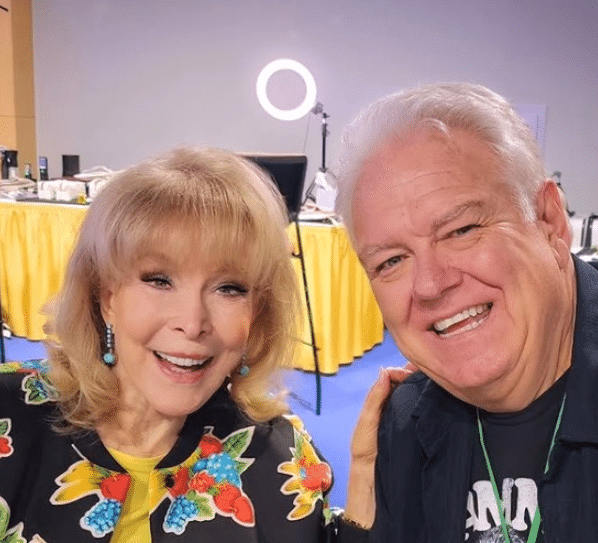
Barbara’s cheerful public image did not mean her private journey was always easy.
She married actor Michael Ansara in 1958, and they welcomed their son, Matthew, in 1965. Their marriage ended in 1974. Barbara later married Charles Fegert before eventually finding lasting companionship with architect and real estate developer Jon Eicholtz, whom she married in 1991.
The loss of her son Matthew in 2001 brought enormous sorrow. Barbara later wrote honestly about the experience and her family’s struggles in her 2011 memoir, Jeannie Out of the Bottle.
Her willingness to discuss difficult moments revealed the person behind the cheerful television image. She did not pretend that fame protected her from hardship. Instead, she showed that resilience can exist alongside grief.
Through changing circumstances, she continued to find purpose in her work, friendships, marriage, and connection with fans.
Still Connected to Audiences at 95
Barbara has remained active well into her 90s. She has continued attending fan conventions, participating in interviews, and appearing at classic-film events.
In 2025, she returned to the stage in a production of Love Letters. She has also expressed interest in taking on new roles, provided the material is worthwhile.
Her continued enthusiasm is inspiring because it reflects genuine affection for performing. She does not appear to treat her early work as something she must escape. Instead, she appreciates what Jeannie gave her while remaining proud of her broader accomplishments.
Barbara once explained that she hoped audiences would remember how she made them laugh, made them happy, and transported them somewhere else.
That may be the finest summary of her contribution.
Conclusion: The Magic Was Always Barbara Eden
Jeannie could transform a room with a blink, but Barbara Eden’s real magic came from talent, discipline, and warmth.
She began as a church-choir singer, worked her way through small television appearances, shared the screen with major Hollywood figures, and eventually became one of the most recognizable women in classic American television.
At 95, she deserves more than shallow commentary about how she compares with photographs from her youth. She deserves recognition for a seven-decade contribution to entertainment and for the happiness her work continues to bring viewers.
When older fans see Barbara today, they may remember a childhood living room, a familiar theme song, and the excitement of watching Jeannie create another impossible adventure.
Time has moved forward, as it always does. Yet the laughter remains—and so does the affection audiences still feel for Barbara Eden.