What began as a routine flight from Istanbul to Cyprus turned into a tense and unsettling situation when a woman on board decided to ignore one of the most crucial safety rules in air travel: no smoking. Mid-flight, she lit a cigarette just a few rows away from the cockpit, prompting immediate alarm among passengers and crew members alike. The quick thinking of nearby travelers helped avert a potential disaster, but the incident has sparked widespread debate on passenger accountability and safety.
The Start of the Incident: A Simple Rule Broken
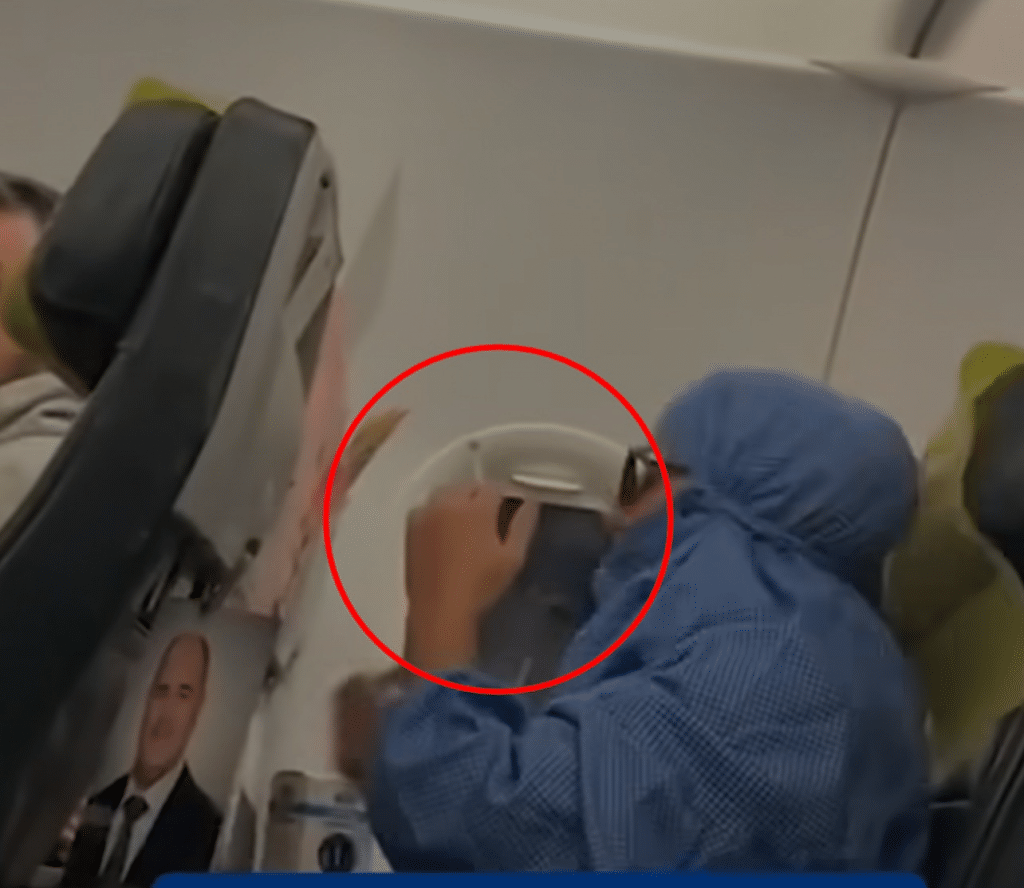
The flight, which had been relatively calm, quickly shifted when a woman in her 30s ignored the no-smoking signs clearly posted above her seat. Witnesses reported that the woman appeared unaware of the gravity of her action, or perhaps was simply dismissing the rules altogether. She lit her cigarette, unperturbed by the clear safety warnings and repeated announcements from the crew. Within moments, the smell of smoke began to spread, alerting those nearby.
One of the passengers recalled, “At first, we thought it was a mistake. Maybe she didn’t realize it was against the rules, but when she exhaled the first puff, the situation escalated fast. People were visibly shocked.”
Quick Response from Passengers and Crew
Before flight attendants could reach the woman, a group of passengers acted swiftly. They intervened, taking the cigarette and lighter away from her to prevent any further escalation. “It was a team effort,” said one of the passengers who helped. “We couldn’t sit by while she endangered the flight. It’s not just about the rules—it’s about everyone’s safety.”
Flight attendants arrived shortly after, speaking to the woman firmly but calmly. They explained that smoking on an airplane is not just a rule—it’s a critical safety violation that can result in criminal charges, fines, and even arrest. The woman, visibly irritated, reportedly argued with the staff, and several passengers noted that she appeared to be under the influence of alcohol or something else, which added to the tension.
Aviation Safety Concerns: The Dangers of Smoking in the Cabin
The incident highlights one of the biggest safety risks in aviation: the danger posed by even the smallest spark in a confined and oxygen-rich environment. Although smoking on planes has been banned for decades, the risk of fire remains a serious concern, especially when dealing with oxygen masks, electrical equipment, and flammable materials like seat fabrics and plastic.
Experts weighed in after the incident, emphasizing the importance of adhering to no-smoking policies on flights. “An ember from a cigarette could start a fire that could easily spread throughout the cabin,” explained aviation safety expert Dr. Lillian Thomas. “Even if it’s just one passenger, their disregard for safety could put hundreds of lives at risk.”
The Aftermath: Authorities Arrive
Upon landing in Cyprus, airport authorities were waiting for the flight to arrive, and the woman was taken into custody for questioning. Local authorities are expected to decide if further legal action will be taken, but the incident has raised questions about enforcement in the aviation sector. Passengers were divided on the appropriate response, with some calling for stronger consequences for disruptive behavior in-flight, including possible lifetime bans or hefty fines.
Despite the gravity of the situation, passengers commended the flight attendants and the bystanders who took action to prevent a potentially catastrophic event. “The crew handled the situation professionally,” said one relieved traveler. “They remained calm and firm. If they hadn’t acted quickly, things could’ve gotten much worse.”
The Broader Issue: Passenger Accountability
The incident has sparked a larger conversation about accountability during air travel. With more passengers flying every year, the strain on both airline staff and safety protocols is growing. Social media and aviation forums were flooded with comments, many calling for more stringent rules and consequences for passengers who flout safety regulations.
“It’s not just about one woman and one cigarette,” one commenter posted. “This behavior shows a larger issue—passengers who believe the rules don’t apply to them, and that’s dangerous. We need stronger actions from airlines, including the power to restrain or isolate passengers who are a threat to safety.”
A Wake-Up Call for the Travel Industry
In light of this incident, some aviation experts are calling for more proactive measures to prevent disruptive behavior on flights. This includes providing crew members with more authority to restrain passengers, better pre-flight education about safety regulations, and reinforcing zero-tolerance policies for in-flight misconduct. “Every airline should take a no-nonsense approach to disruptive passengers,” said one aviation safety analyst. “Safety needs to be the priority, and we cannot allow small lapses in judgment to endanger everyone else.”
Conclusion: A Lesson in Air Travel Safety
This disturbing episode on the Istanbul-to-Cyprus flight serves as a stark reminder of the critical importance of adhering to safety rules when traveling. Whether or not the woman faces legal consequences, the reality is that one person’s disregard for safety can jeopardize the well-being of everyone on board. As the travel industry continues to recover from the disruptions caused by the pandemic, ensuring that passengers are educated, prepared, and accountable remains as crucial as ever.
For the passengers who were part of this tense experience, it will remain a cautionary tale of how a simple act of defiance can escalate into a dangerous and disruptive situation. One thing is certain: air travel is not just about getting from point A to point B—it’s about ensuring the safety of all those on board. When rules are ignored, it’s not only the flight that’s at risk—it’s the lives of everyone in the cabin


