The early 1980s gave American moviegoers more than neon fashions, shopping-mall comedies, and unforgettable soundtracks. It also introduced a generation of young performers who helped redefine coming-of-age films.
Among them were Phoebe Cates and Jennifer Jason Leigh.
Both actresses appeared in the same influential 1982 movie, Fast Times at Ridgemont High. Both quickly attracted Hollywood’s attention. Yet after sharing that important early chapter, they followed remarkably different paths.
Cates gradually exchanged movie sets for family life and a Manhattan business. Leigh continued seeking complicated characters in independent films, prestige dramas, television series, and unconventional thrillers.
More than four decades later, their contrasting journeys offer a thoughtful reminder: there is no single correct way to build a meaningful life after fame.
The High School Movie That Introduced a Generation
Released in 1982, Fast Times at Ridgemont High followed students navigating classes, part-time jobs, friendships, romance, and the confusion of growing up in suburban California.
Director Amy Heckerling and screenwriter Cameron Crowe created a film that felt looser and more observant than many teenage comedies of the period. Its characters made mistakes, learned difficult lessons, and tried to appear more confident than they really felt.
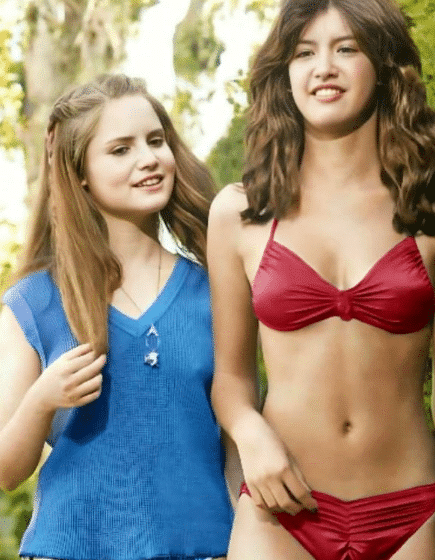
The cast included several future stars: Sean Penn, Judge Reinhold, Forest Whitaker, Eric Stoltz, Anthony Edwards, Phoebe Cates, and Jennifer Jason Leigh.
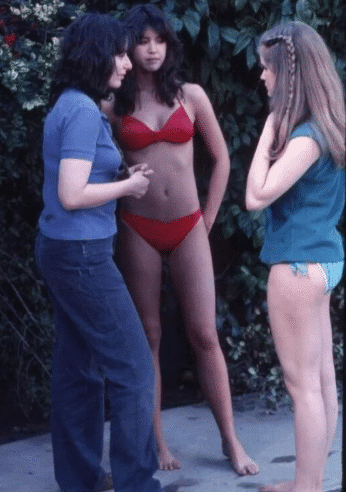
Cates played Linda Barrett, the self-assured friend of Leigh’s character, Stacy Hamilton. Linda appeared worldly and composed, while Stacy was younger, uncertain, and eager to understand adulthood.
Their friendship gave the story an emotional foundation. Although the two characters approached life differently, their conversations reflected the private questions many young viewers were reluctant to ask aloud.
Over time, the film became an enduring snapshot of early-1980s youth culture. Its mall, movie theater, fast-food uniforms, classroom scenes, and memorable soundtrack can instantly return longtime fans to another era.
Phoebe Cates Became an Instant Screen Favorite
Phoebe Cates was born in New York City in 1963. Before acting, she trained in ballet and worked as a model. Her first major film role came in Paradise in 1982, followed shortly afterward by Fast Times at Ridgemont High.
Her expressive face, relaxed screen presence, and natural warmth made her immediately recognizable. She could project confidence while still allowing audiences to see uncertainty beneath the surface.
Cates soon moved beyond high school stories. In 1984, she starred in Gremlins, the unusual holiday adventure that blended comedy, fantasy, and mischievous creatures.
As Kate Beringer, she helped ground the increasingly chaotic story. The movie became a major commercial success and remains a seasonal favorite for viewers who enjoy their Christmas entertainment with a slightly unpredictable edge.
She returned for Gremlins 2: The New Batch in 1990, joining another wonderfully strange collection of creatures and comic situations.
A Performer With More Range Than Her Image Suggested
Hollywood frequently promoted Cates through her appearance, but her performances revealed versatility.
She handled romantic comedy, family adventure, fantasy, and quieter dramatic material. Her work in Bright Lights, Big City placed her in a more serious urban story, while Princess Caraboo allowed her to take on an unusual historical character.
Cates had an approachable quality that made even highly polished characters feel human. She never seemed to push for attention within a scene. Instead, viewers naturally watched her.
That subtle ability can be overlooked in an industry that often rewards louder performances. Yet it remains one reason her work still connects with longtime admirers.
Why Phoebe Cates Stepped Away From Hollywood
Cates married actor Kevin Kline in 1989. The couple welcomed two children, Owen and Greta, and Cates gradually reduced her acting commitments.
Her decision was not presented as a dramatic rejection of Hollywood. It was a personal choice about how she wanted to spend her time and where she wanted to place her energy.
After Princess Caraboo in 1994, she largely left professional acting. She later made a rare appearance in The Anniversary Party, a 2001 film co-written and co-directed by Jennifer Jason Leigh and Alan Cumming.
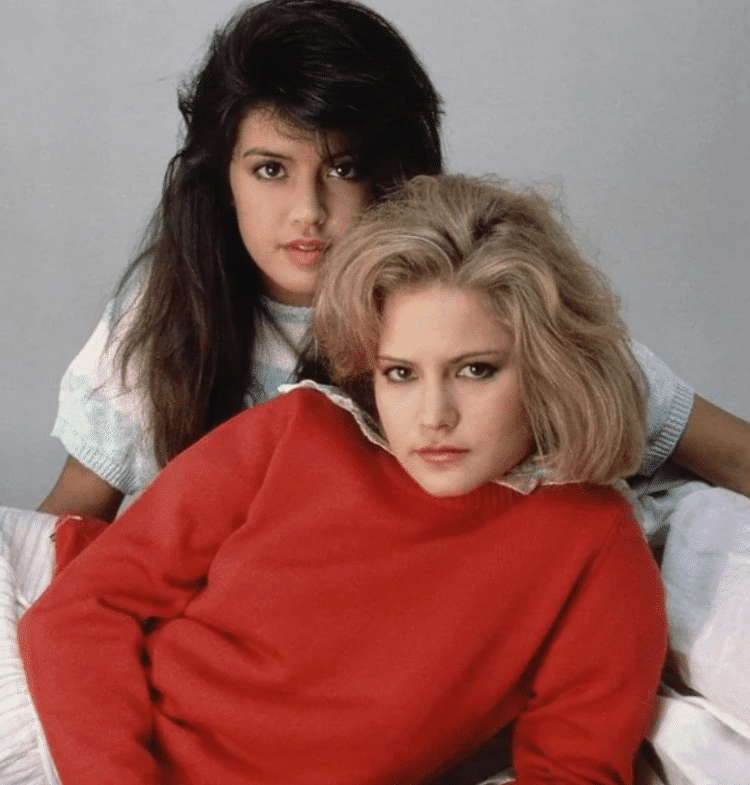
The project created a fitting reunion between the former Fast Times co-stars.
In 2005, Cates opened Blue Tree, a boutique on Manhattan’s Upper East Side. The store reflects her interest in fashion, gifts, jewelry, books, and distinctive objects gathered from different sources.
Rather than disappearing, she simply created a life beyond the conventional celebrity cycle.
A Quiet Kind of Success
Entertainment culture often treats constant visibility as the only proof of achievement. Cates offers another perspective.
She built a memorable film career, chose to prioritize her home life, and later established a successful local business. None of those chapters cancels the others.
Her path can feel especially meaningful to older readers who have also changed careers, stepped away from demanding work, or discovered that fulfillment evolves over time.
A person does not have to remain in the spotlight to preserve a legacy.
Jennifer Jason Leigh Chose Challenging Characters
Jennifer Jason Leigh was born in Los Angeles in 1962. As Stacy Hamilton in Fast Times at Ridgemont High, she played a teenager attempting to understand relationships and adulthood.
The role required vulnerability. Leigh avoided turning Stacy into a simple stereotype, giving her confusion and emotional choices a sense of honesty.
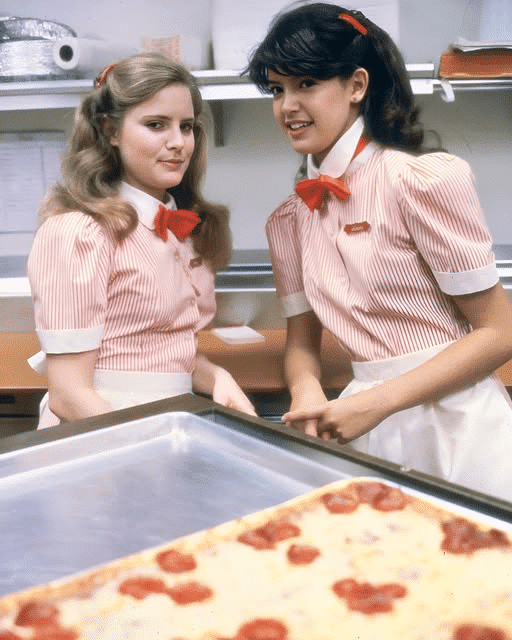
After the movie’s success, Leigh did not pursue the most predictable route to mainstream stardom. Instead, she developed a reputation for portraying difficult, troubled, or emotionally layered characters.
Her performances often asked viewers to look beyond first impressions.
Films such as Last Exit to Brooklyn, Miami Blues, Single White Female, Mrs. Parker and the Vicious Circle, and Georgia demonstrated her willingness to inhabit radically different personalities.
She could appear fragile in one project and intimidating in the next. That unpredictability became one of her greatest strengths.
Critical Recognition Arrived Across Many Eras
Leigh’s work earned consistent respect, although she often selected projects outside the safest Hollywood formulas.
Her portrayal of writer Dorothy Parker in Mrs. Parker and the Vicious Circle showcased her ability to capture intelligence, humor, and private sorrow. In Georgia, she played a struggling singer living in the shadow of her more stable sister.
Years later, Quentin Tarantino cast her as Daisy Domergue in The Hateful Eight. The intense performance earned Leigh an Academy Award nomination for Best Supporting Actress.
The recognition introduced some younger viewers to an actress longtime film admirers had followed for decades.
Leigh also embraced television. She appeared in Weeds, Twin Peaks: The Return, Patrick Melrose, Fargo, and the family comedy-drama Atypical.
These roles confirmed that her appetite for unusual material had not diminished. Whether working in a large production or an intimate independent film, she remained committed to characters with complicated inner lives.
Two Careers Connected by Creative Courage
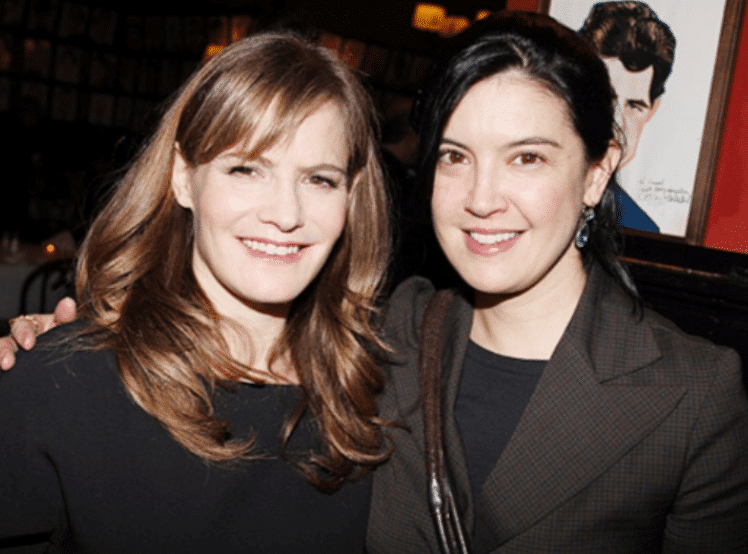
At first glance, Cates and Leigh seem to represent opposite Hollywood stories.
Cates left regular acting and built a quieter private life. Leigh continued working across film, television, writing, and directing.
Yet their choices share something important: both women resisted allowing the entertainment industry to define success for them.
Cates decided that constant visibility was unnecessary. Leigh followed demanding material instead of limiting herself to easily marketable roles.
Each acted with independence.
That may be one reason their stories remain compelling. They remind us that personal authenticity can take very different forms.
What Do Phoebe Cates and Jennifer Jason Leigh Look Like Now?
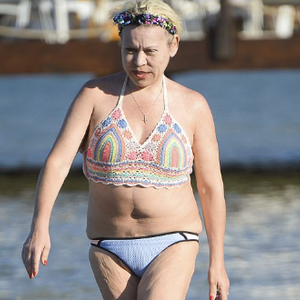
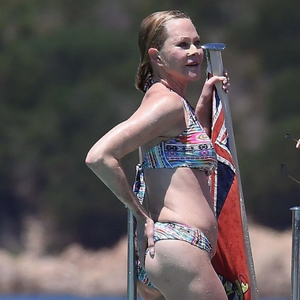
Cates is 63 in 2026, while Leigh is 64. Recent photographs show two women who have moved through life with their individual identities intact.
Cates generally maintains a private public profile and appears only occasionally at premieres or family events. Leigh continues attending industry gatherings connected to her ongoing work.
Responsible “then and now” coverage should celebrate their accomplishments rather than turn normal aging into a competition. Faces naturally change over four decades. What matters is the history reflected in them—the careers, families, decisions, disappointments, and accomplishments accumulated along the way.
Neither actress owes the public the appearance she had in 1982.
What they continue to offer is far more interesting: evidence of lives lived according to personal values.
Why Their 1980s Legacy Still Matters
Fast Times at Ridgemont High remains a cultural landmark, but Phoebe Cates and Jennifer Jason Leigh should not be reduced to one early movie.
Cates went on to become part of a beloved fantasy-comedy franchise before choosing family and entrepreneurship. Leigh constructed an adventurous acting career filled with transformations, critical praise, and unexpected choices.
Their shared beginning makes the contrast especially fascinating.
One moved away from Hollywood’s center. The other remained close to challenging creative work. Both retained the respect of viewers who first discovered them during the era of video stores, cassette soundtracks, and crowded neighborhood theaters.
Their stories remind us that a successful life is not measured only by how long the cameras keep watching. Sometimes it is found in a daring performance. Sometimes it is found in closing the studio door, beginning something new, and choosing exactly where the next chapter belongs.