At first glance, visible veins on your hands or legs might seem harmless, almost like an oddity. But for some, these veins can raise concerns. Are they a normal sign of aging, a natural effect of lifestyle choices, or could they be an indication of something more serious? Understanding the potential causes behind visible veins can help you make informed decisions about your health.
Why Do Veins Become More Visible?
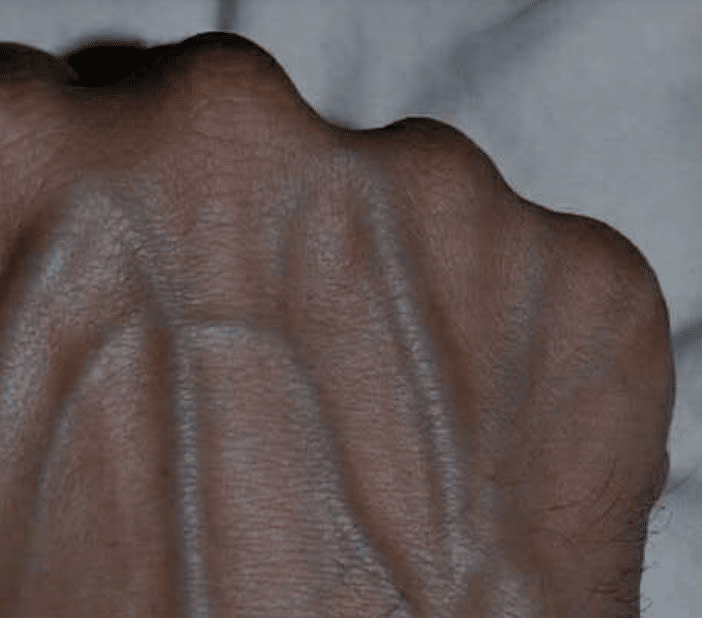
Your veins play a crucial role in your circulatory system, returning oxygen-depleted blood to your heart. Since veins are located closer to the surface of your skin than arteries, they are more easily affected by both internal and external factors such as temperature, body fat, genetics, and lifestyle habits. Here are some common reasons why veins may become more prominent:
- Low Body Fat: When there’s less fat between your skin and veins, they become more noticeable. Athletes and bodybuilders, or those who have recently lost weight, often experience more visible veins.
- Aging: As you age, your skin becomes thinner and less elastic, making veins more visible.
- Exercise: Physical activity increases blood flow, causing veins to expand, especially in those who exercise regularly.
- Warm Weather: In hot conditions, veins expand to help cool the body, making them easier to see.
- Genetics: Family history plays a role—if your parents or grandparents had visible veins, you’re likely to develop them too.
In these cases, visible veins are typically harmless and a natural result of lifestyle or aging.
When Should You Worry About Visible Veins?
While most cases of visible veins are harmless, there are instances where they may signal an underlying issue. If your veins suddenly become more prominent or if they’re accompanied by pain, swelling, or skin discoloration, it’s time to pay attention. These could be signs of:
- Chronic Venous Insufficiency (CVI): This condition occurs when the valves in your veins weaken or malfunction, causing blood to pool in the legs. Symptoms include swelling, heaviness, and bulging veins.
- Varicose Veins: These enlarged, twisted veins are often associated with aching, itching, or darkened skin.
- Superficial Thrombophlebitis: A small blood clot forms near the skin’s surface, causing redness, tenderness, and a rope-like feeling along the vein. While typically harmless, it requires medical attention.
- Deep Vein Thrombosis (DVT): A more serious condition, DVT involves blood clots in deep veins, usually in the legs. This condition can be life-threatening as clots may travel to the lungs and cause a pulmonary embolism. Symptoms include sudden swelling, warmth, redness, and pain in the affected area.
Temporary Factors That Make Veins More Visible
Sometimes, temporary factors can make your veins stand out without indicating a serious health issue:
- Intense Workouts: Vigorous physical activity or heavy weight training increases blood flow, making veins temporarily larger.
- Dehydration: When your body is dehydrated, veins become more pronounced due to lower fluid levels.
- Hormonal Changes: Pregnancy, menstruation, or menopause can affect vein visibility as hormonal fluctuations impact blood circulation.
- Sudden Weight Loss: Rapid weight loss reduces fat beneath the skin, making veins more noticeable.
When Should You Seek Medical Advice?
If your veins suddenly become more visible for no apparent reason, or if you experience discomfort, pain, swelling, or changes in skin texture or color, it’s time to consult a healthcare professional. These symptoms could indicate a circulatory issue that requires medical attention. A doctor can help determine whether visible veins are harmless or part of a more serious vascular condition.
Treatments for Visible Veins
Depending on whether you’re concerned with the cosmetic or medical aspects of visible veins, there are various treatments available:
- Lifestyle Changes: Maintain a healthy weight, stay active, elevate your legs when resting, and avoid sitting or standing for long periods to improve circulation.
- Compression Stockings: Wearing compression stockings can help reduce swelling and improve circulation, especially for those who spend a lot of time on their feet.
- Medical Treatments: In severe cases, procedures like sclerotherapy (injections to close small veins), laser therapy, or surgery may be recommended by your doctor.
Prevention and Healthy Circulation
Prevention is key to managing visible veins. Staying hydrated, moving regularly, avoiding smoking, and eating a balanced diet all contribute to healthy circulation. Simple habits like stretching your legs, walking during breaks, and massaging your calves can improve the appearance and health of your veins over time.
Visible Veins: A Health Concern or Cosmetic Issue?
While some people may view visible veins as a sign of strength, fitness, or aging, others may feel self-conscious about their appearance. It’s important to remember that whether your concern is cosmetic or related to health, there are options to address both.
Conclusion: Listen to Your Body
Visible veins are often a natural result of genetics, aging, or lifestyle habits. However, if you notice sudden changes, discomfort, or other worrying symptoms, it’s crucial to consult a doctor. By paying attention to your body and seeking expert advice, you can ensure that any underlying health issues are addressed and that your circulatory system remains healthy. Share this information with friends and family to help others recognize the signs and take charge of their health


