During the 1950s, her face appeared on theater marquees, magazine covers, and glamorous studio portraits across America.
She worked opposite some of Hollywood’s most celebrated leading men and gave an unforgettable performance in a film now regarded as one of the greatest achievements in cinema history.
Then, while the industry still wanted more from her, she chose another life.
The actress is Kim Novak, the enigmatic star of Picnic, Pal Joey, and Alfred Hitchcock’s Vertigo. Instead of spending the rest of her years pursuing Hollywood’s spotlight, Novak gradually moved away from the film industry and built a quieter existence centered on painting, animals, and nature.
Her decision was not a rejection of creativity. It was an effort to reclaim it on her own terms.
A Young Woman Arrived in Hollywood
Kim Novak was born Marilyn Pauline Novak in Chicago in 1933.
Before becoming an actress, she worked as a model and traveled around the country promoting household appliances. Her striking screen presence soon attracted the attention of Columbia Pictures.
Hollywood studios during the 1950s did not simply hire performers. They often attempted to reshape them.
Executives could select an actor’s professional name, arrange publicity photographs, influence clothing choices, and carefully construct a public personality. The star seen by audiences was frequently part person and part studio creation.
Columbia wanted Novak to become one of its major attractions.
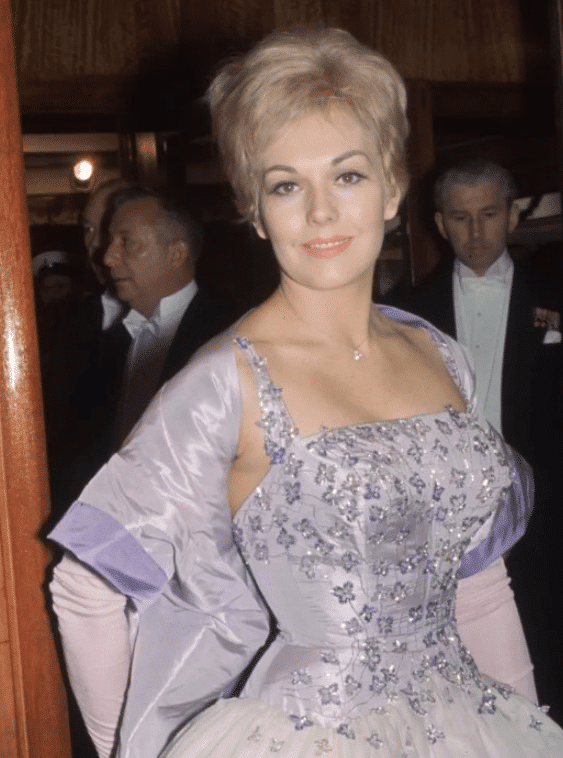
She accepted the first name Kim but kept her family surname, preserving at least one connection to the identity she had before Hollywood.
It was an early indication that she would not quietly surrender every decision to the studio system.
The Role That Made Her a Major Star
Novak’s breakthrough came with Picnic, the 1955 drama adapted from William Inge’s Pulitzer Prize-winning play.
She played Madge Owens, a young woman admired for her appearance but frustrated by the narrow future others imagined for her.
William Holden starred as Hal Carter, a charismatic drifter whose arrival disrupts a small Kansas community during a Labor Day celebration.
One of the film’s most memorable sequences shows Novak and Holden dancing together beneath glowing lanterns as music drifts across the evening gathering.
The moment became an enduring image of 1950s screen romance.
Yet Madge was more than a glamorous presence. Her discomfort with being valued primarily for her beauty gave the performance an emotional depth that closely echoed Novak’s own complicated experience inside Hollywood.
The film helped transform her into one of the decade’s most sought-after actresses.
Working With the Era’s Biggest Names
After Picnic, Novak became a dependable leading lady for major studio productions.
She appeared opposite Frank Sinatra in The Man with the Golden Arm, a serious drama directed by Otto Preminger. The film allowed her to work within a darker and more emotionally demanding story.
She reunited with Sinatra for Pal Joey, which also featured Rita Hayworth. The musical placed Novak beside two of the entertainment industry’s most recognizable performers.
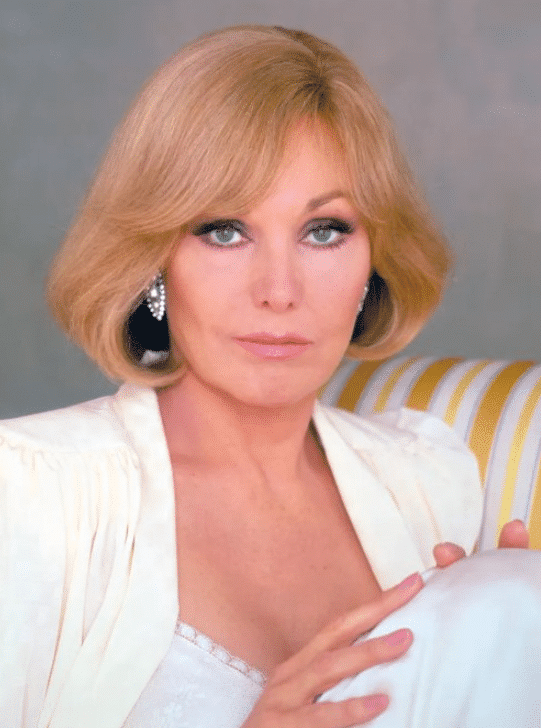
Her other films included The Eddy Duchin Story, Bell, Book and Candle, and Middle of the Night.
The roles moved between romance, drama, comedy, and fantasy. While studio publicity frequently emphasized her appearance, Novak’s strongest performances revealed a quiet interior quality.
She could suggest uncertainty, loneliness, and emotional conflict without explaining everything through dialogue.
That mystery would become essential to the film for which she remains best remembered.
The Haunting Mystery of Vertigo
In 1958, Novak appeared opposite James Stewart in Alfred Hitchcock’s Vertigo.
She played a dual role within a story about obsession, identity, memory, and deception. Her performance required her to embody different versions of a woman while gradually revealing the emotional cost of being forced into someone else’s image.
When first released, Vertigo received a mixed response and did not immediately achieve the status it holds today.
Over time, critics and audiences reconsidered the film.
Its unusual visual style, haunting score, psychological complexity, and unsettling treatment of romantic obsession inspired decades of discussion. It eventually came to be regarded as one of Hitchcock’s finest works and one of cinema’s most important films.
Novak’s performance stands at its emotional center.
Her character is constantly observed, transformed, and asked to become an ideal created by someone else. That theme carried a particular resonance for an actress working within a studio system that carefully controlled feminine images.
What once seemed like a mysterious romantic thriller now also reads as a powerful story about identity and the danger of treating a real woman as an imagined creation.
The Pressure Behind the Glamour
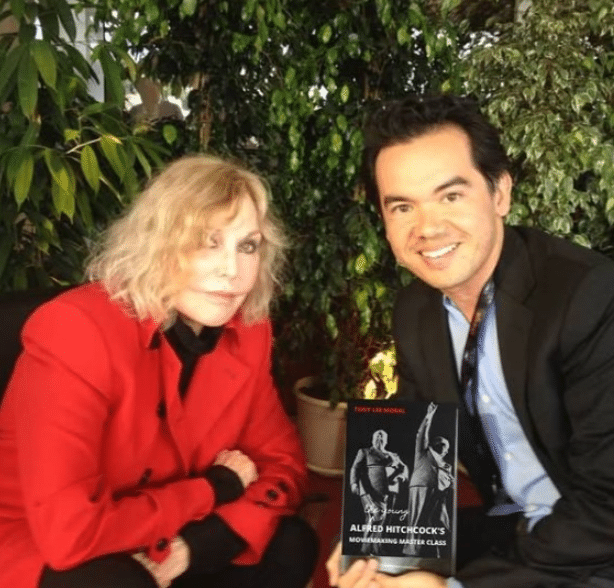
Classic Hollywood created images of effortless elegance, but maintaining them could come at a considerable personal cost.
Studio stars were expected to meet strict standards. Their appearance, relationships, interviews, and career choices could all become matters of professional concern.
For Novak, the pressure gradually became difficult to accept.
She has spoken about feeling that Hollywood threatened her sense of identity. The industry offered fame and opportunity, but it also expected her to fit within an image designed by others.
That conflict helps explain why she gradually stepped away.
To the public, leaving a successful movie career might have seemed surprising. Hollywood fame is often presented as the ultimate achievement, something no one would willingly surrender.
Novak recognized that success could carry a different price.
She chose to protect the person behind the carefully constructed screen image.
Trading Studio Lights for the California Coast
Novak moved away from Los Angeles and settled near Carmel, California.
The coastal environment offered a dramatic change from studio schedules and constant publicity. Carmel was already known for its artistic community, natural beauty, and quieter rhythm.
There, Novak could devote more attention to painting.
Visual art was not merely a casual hobby. It became a central form of creative expression, allowing her to explore emotion, memory, and personal experience without a studio executive determining the final result.
Painting offered a different relationship with the audience.
A film production requires directors, producers, writers, camera crews, editors, and distributors. A painting can begin privately, with one person facing a blank surface and deciding what should appear.
That freedom mattered to Novak.
She had not abandoned artistic expression. She had found a form that allowed her greater ownership over the process.
A Life Shared With Animals and Nature
Novak’s quieter life also included a deep affection for animals.
She raised Arabian horses and found peace in caring for them. The routines surrounding animals provided structure far removed from Hollywood’s artificial urgency.
Nature became part of her daily world rather than a backdrop constructed for a movie.
The California landscape—with its trees, open spaces, ocean air, and changing light—also influenced her visual art.
For someone whose appearance had once been carefully shaped and photographed by studios, life among animals offered a refreshing absence of judgment. A horse did not care about box-office results, publicity campaigns, or magazine headlines.
That simplicity helped Novak create a home centered on the things she valued most.
Finding Lasting Companionship
Novak met equine veterinarian Robert Malloy, whose professional life reflected her own love of horses.
They married in 1976 and remained together for more than four decades.
Their relationship belonged largely to the private world Novak had chosen. Instead of building a marriage around premieres and Hollywood events, they shared a life shaped by animals, art, and the natural surroundings of the American West.
Malloy provided companionship and stability through many years of change.
After his death in 2020, Novak turned again to painting as a way to remember him and process her grief. Creating his portrait allowed her to honor their shared life through the artistic practice that had sustained her for decades.
Their marriage demonstrated that leaving Hollywood had not meant withdrawing from life.
Novak found a different kind of richness—one measured through lasting partnership and creative independence rather than publicity.
Rare Returns to the Hollywood Spotlight
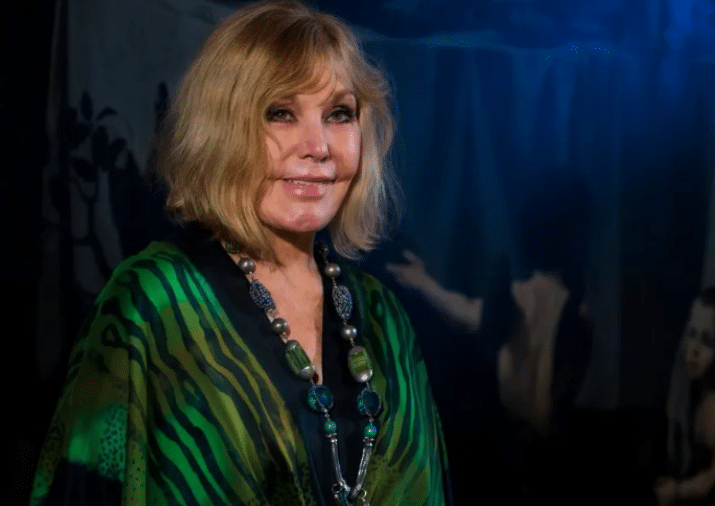
Although Novak moved away from full-time acting, she did not disappear completely.
She occasionally returned for public events and participated in celebrations of her films. Each appearance naturally attracted attention from admirers who remembered her classic performances.
In 2014, she appeared at the Academy Awards to present an honor alongside Matthew McConaughey.
Unfortunately, some public commentary focused heavily on her appearance rather than her achievements.
Such reactions reflected the very pressures Novak had tried to escape decades earlier. Male performers are often allowed to grow older while remaining defined by their work. Women in entertainment frequently face a much harsher level of visual scrutiny.
A person’s face changes over a lifetime. That natural reality should never erase talent, experience, or dignity.
Novak’s legacy belongs to her performances and creative courage—not to strangers’ opinions about how she should look.
Facing a Private Health Challenge
In 2010, Novak was diagnosed with breast cancer.
The illness was reportedly detected early, and she received treatment. She later continued the private and artistic life she had built away from Hollywood.
Her experience became another chapter in a life marked by resilience.
Serious illness can affect anyone, regardless of fame or professional achievement. For Novak, her art, natural surroundings, animals, and close relationships remained important sources of meaning.
She did not use the experience to create a dramatic public reinvention. She continued living according to the values that had guided her for years.
The Hollywood Legend Behind the Photographs
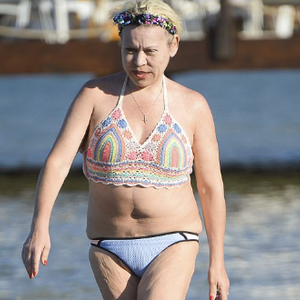
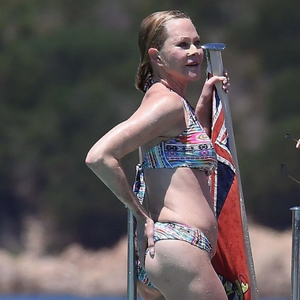
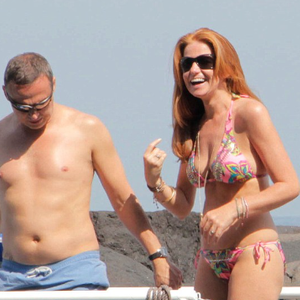
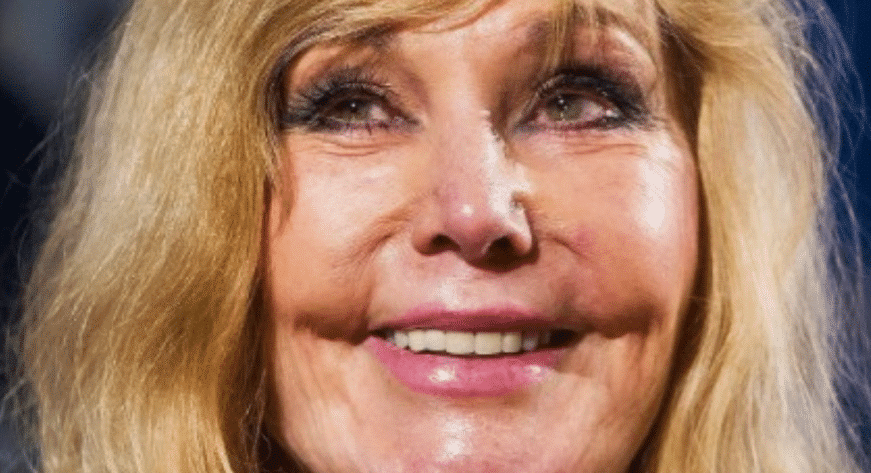
The actress seen in these photographs is Kim Novak.
She became one of the defining stars of 1950s Hollywood, sharing the screen with James Stewart, William Holden, Frank Sinatra, Rita Hayworth, and other celebrated performers.
Her haunting work in Vertigo helped create a film that continues to fascinate audiences and filmmakers around the world.
Yet her most courageous choice may have happened away from the camera.
Novak stepped beyond the identity Hollywood had designed for her and created another life—one filled with painting, nature, horses, and a marriage that lasted more than 40 years.
She did not simply leave fame behind. She carried her creativity somewhere it could belong more completely to her.
For longtime movie lovers, Kim Novak will always remain the mysterious woman at the center of Vertigo. Beyond that unforgettable image, however, stands an artist who chose peace over constant attention and proved that walking away can sometimes be its own form of triumph.