
The familiar gentleman in these photographs has spent more than seven decades making audiences laugh.
He worked behind the scenes during television’s earliest years, created some of the most daring comedies ever released by a major Hollywood studio, and earned nearly every prestigious honor available in American entertainment.
The man is Mel Brooks, the writer, director, producer, actor, and composer whose unmistakable sense of humor changed the landscape of film comedy.
Photographed during a rare public appearance as he approached his 99th birthday in 2025, Brooks offered admirers a welcome glimpse of a performer whose creative spirit has remained remarkably enduring.
His appearance may have been quiet, but the memories it awakened were anything but. For generations of movie lovers, simply hearing his name recalls outrageous characters, fearless satire, and evenings filled with laughter.
A Childhood Shaped by Humor
Mel Brooks was born Melvin Kaminsky in Brooklyn, New York, in 1926.
Growing up in a working-class neighborhood during the Great Depression, he discovered early that humor could command attention and create connection. Being funny gave him a way to stand out, respond to challenges, and bring joy to the people around him.
Before entering entertainment, Brooks served in the United States Army during World War II.
Following the war, he began working in nightclubs and resorts, first handling practical responsibilities and eventually performing comedy. Those early experiences taught him how to read an audience and adjust when a joke failed.
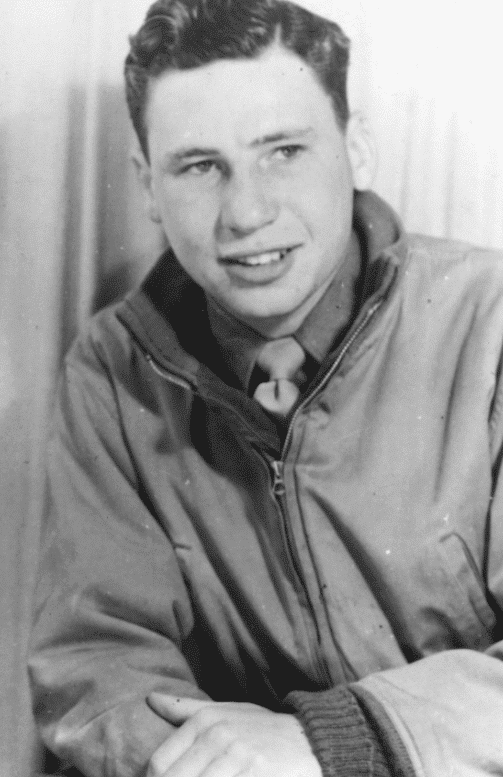
Live entertainment offered no editing room. A comedian learned immediately whether the material worked.
That direct relationship with audiences helped shape the fast, energetic style Brooks later brought to television and movies.
Writing During Television’s Golden Age
Brooks received an important career opportunity when he joined the writing staff of Sid Caesar’s influential variety program Your Show of Shows.
The series aired during the 1950s, when television was still finding its language. Families gathered around a single set, broadcasts unfolded live, and writers had to create new material on demanding weekly schedules.
The program’s celebrated writing rooms brought together an extraordinary group of comedy talents. Brooks worked alongside figures such as Carl Reiner, Neil Simon, and Larry Gelbart.
Ideas were debated, rewritten, performed, and sometimes discarded under intense time pressure. The experience became an education in pacing, character, and the mechanics of laughter.
For viewers who remember those early television years, variety programs were communal events. There was no pausing or streaming an episode later. When something unexpected happened live, millions of people experienced it at the same moment.
Brooks learned his craft inside that exhilarating environment.
A Friendship That Produced Classic Comedy
One of Brooks’ most important creative relationships was his friendship with Carl Reiner.
Together, they developed the “2000 Year Old Man,” a comedy routine built around Reiner interviewing an ancient character played by Brooks.
The premise gave Brooks room to improvise absurd stories about history, marriage, food, and human behavior. Reiner’s calm questions provided the perfect structure for Brooks’ unpredictable answers.
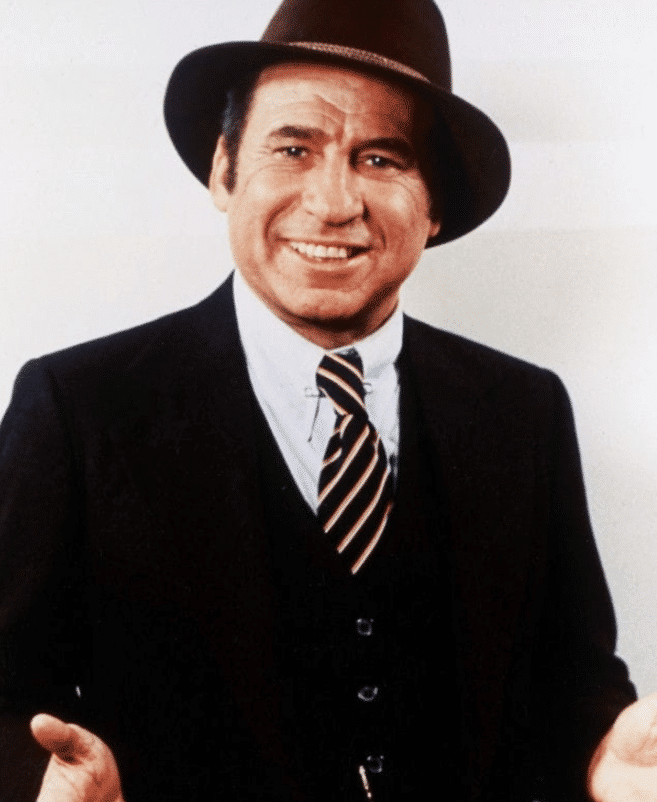
The routine became successful through live performances and comedy albums.
During an era when families owned record players and comedy albums were shared among friends, listeners could enjoy a favorite routine repeatedly without needing a television broadcast.
The partnership revealed Brooks’ greatest comic strengths: speed, imagination, an ear for language, and the ability to make a ridiculous character feel strangely believable.
The Unlikely Beginning of The Producers
Brooks made his feature-film directing debut with The Producers, released in 1967.
The movie followed a struggling theatrical producer and his accountant as they devised a dishonest plan involving a deliberately unsuccessful Broadway show. Their scheme begins to collapse when the production unexpectedly becomes a hit.
Its subject matter was daring, and not everyone immediately understood its aggressive satire.
Brooks used ridicule to strip hateful ideas of their power, transforming symbols of authoritarianism into objects of absurdity. The approach was risky, particularly so soon after World War II.
Yet beneath the deliberately outrageous material was a carefully constructed story about greed, friendship, theater, and the unpredictability of audiences.
Brooks won the Academy Award for Best Original Screenplay.
The film later gained an even larger following and eventually inspired a highly successful Broadway musical, proving that a project once considered too unusual could continue evolving across generations.
Reimagining the Western With Blazing Saddles

In 1974, Brooks released two movies that became central to his legacy.
The first was Blazing Saddles, a satire of Hollywood Westerns.
For decades, Westerns had presented idealized stories of frontier towns, heroic sheriffs, and clearly defined villains. Brooks took those familiar ingredients and turned them upside down.
The film used deliberate absurdity to confront racism, Hollywood myths, and the artificial nature of movie storytelling itself.
Its humor was provocative, and parts of the film remain the subject of discussion. Brooks’ purpose, however, was to ridicule prejudice rather than celebrate it. The ignorant characters become the targets of the joke.
The movie also broke the boundaries of its fictional world, refusing to behave like a conventional Western.
That willingness to challenge structure became a defining quality of Brooks’ work. He loved familiar genres, but he also delighted in exposing their rules.
A Loving Tribute Called Young Frankenstein
Later that same year, Brooks released Young Frankenstein.
Starring Gene Wilder, the film drew inspiration from the classic Universal monster movies of the 1930s. It was photographed in black and white, used atmospheric sets, and treated the visual traditions of older horror films with genuine affection.
That respect helped distinguish it from a simple parody.
Brooks and Wilder understood what made the original movies powerful. They recreated the shadows, laboratories, dramatic staircases, and stormy atmosphere before introducing their own comic surprises.
The cast included Peter Boyle, Marty Feldman, Teri Garr, Madeline Kahn, Cloris Leachman, and Kenneth Mars.
Each performer approached the ridiculous material with complete commitment. Rather than stepping outside the story to acknowledge the joke, they behaved as though every strange event were entirely serious.
The result became one of the most beloved comedies of the 1970s.
For classic-film fans, Young Frankenstein provides two pleasures at once. It generates laughter while honoring an earlier era of Hollywood craftsmanship.
An Ensemble of Unforgettable Performers

Brooks repeatedly worked with actors who understood his unusual comic rhythm.
Gene Wilder became one of his most important collaborators, appearing in The Producers, Blazing Saddles, and Young Frankenstein. Wilder could shift from quiet nervousness to explosive emotion with astonishing precision.
Madeline Kahn brought sophistication and fearless absurdity to every role. Her performances in Blazing Saddles, Young Frankenstein, and High Anxiety remain among the highlights of Brooks’ films.
Dom DeLuise, Harvey Korman, Cloris Leachman, and Marty Feldman also contributed memorable characters.
Brooks gave these performers room to make bold choices. His movies could be loud and chaotic, but the best moments still depended upon timing, discipline, and complete trust within the ensemble.
Behind every apparently spontaneous joke was a group of experienced professionals who understood exactly how to deliver it.
Turning Familiar Genres Into Something New
Brooks built much of his film career around parody, but his work was never limited to copying successful movies.
He studied the storytelling traditions of each genre and identified the assumptions audiences already understood.
High Anxiety playfully revisited the suspenseful world associated with Alfred Hitchcock. History of the World, Part I treated major historical periods with cheerful irreverence.
Spaceballs turned the grand seriousness of science-fiction adventures into a fast-moving comedy about heroes, villains, merchandising, and movie conventions.
Robin Hood: Men in Tights revisited the familiar outlaw legend while joking about the many earlier screen versions.
The films worked because Brooks recognized the affection audiences had for the original genres. A parody becomes more enjoyable when viewers understand the traditions being transformed.
He was not standing outside popular culture and mocking it from a distance. He was participating in it with the enthusiasm of a lifelong movie fan.
One of Entertainment’s Rare EGOT Winners

Brooks’ accomplishments extend across film, television, music, and theater.
He belongs to the small group of artists who have achieved EGOT status by winning Emmy, Grammy, Oscar, and Tony Awards.
His Academy Award came from The Producers, while his television work earned multiple Emmys. Comedy recordings contributed to his Grammy recognition.
The Broadway adaptation of The Producers became a theatrical phenomenon and earned Brooks multiple Tony Awards.
Its success represented a remarkable return to material he had created decades earlier. A movie that faced uncertainty during its original release became one of the most celebrated stage musicals of its time.
The achievement demonstrated how comedy can find new audiences when translated into another form.
A Partnership That Extended Beyond the Spotlight
Behind Brooks’ public career was his marriage to actress Anne Bancroft.
Bancroft was an acclaimed performer whose roles included Annie Sullivan in The Miracle Worker and Mrs. Robinson in The Graduate. She possessed a dramatic career entirely distinct from her husband’s comic reputation.
They married in 1964 and remained together until Bancroft’s death in 2005.
Their marriage was widely admired within the entertainment industry. Though their screen personas seemed dramatically different, they shared humor, respect, and a deep understanding of a performer’s life.
Bancroft occasionally appeared in Brooks-related projects, but neither career depended upon the other. They remained two accomplished artists who built a life together.
Brooks has continued to speak of her with warmth, keeping their partnership an important part of his personal story.
The Legend Behind the Photographs
The comedy icon shown in these rare photographs is Mel Brooks.
As he approached his 99th birthday in 2025, his remarkable career already covered nearly the entire history of modern American entertainment—from live comedy and early television to classic films, Broadway, and streaming-era audiences discovering his work anew.
His appearance naturally reflected the passage of time, but the creative legacy remained unmistakably vibrant.
A new generation can still encounter Young Frankenstein, discover the audacity of The Producers, or recognize how Spaceballs transformed science-fiction conventions into comedy.
For older viewers, those films may carry memories of crowded theaters, video-store rentals, and evenings when laughter was shared across the living room.
Mel Brooks taught Hollywood that almost every genre could survive a little affectionate mischief. Nearly a century after his birth, the laughter he created remains one of the finest reminders that comedy—when crafted with courage and intelligence—never truly grows old.