Some Hollywood stars are remembered for a single unforgettable role. Paul Newman was remembered for an entire lifetime of remarkable work.
For generations of moviegoers, his name brought to mind sharp dialogue, restless characters, quiet intensity, and the unmistakable presence that made even a small gesture feel important. He was a leading man, certainly, but he was also much more: an actor of unusual range, an accomplished director, a race-car driver, and a philanthropist who used success to create lasting good.
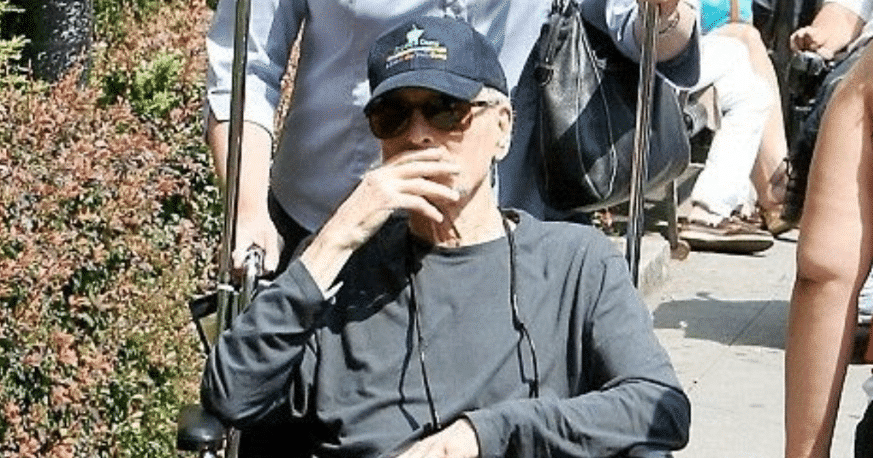
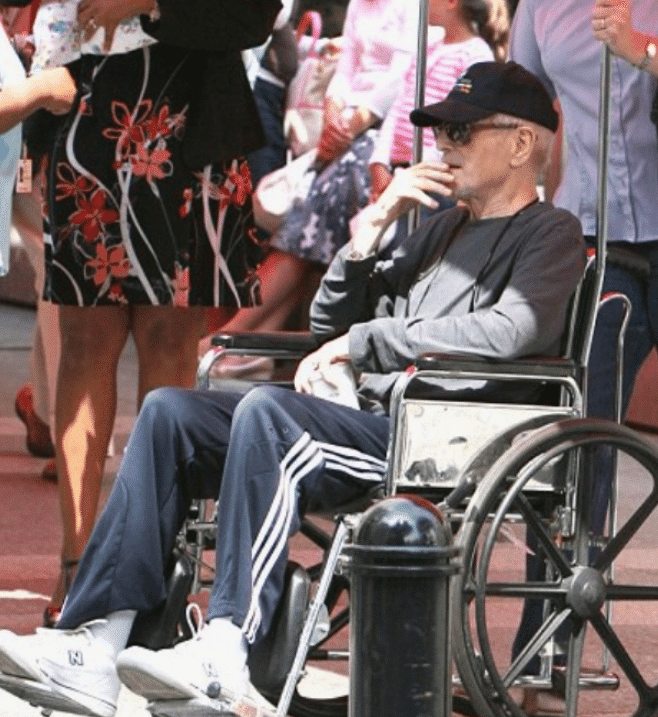
A later photograph of Newman should not overshadow the career audiences had spent decades admiring. The more meaningful image is the body of work he left behind—a collection of performances that still feels alive whenever one of his films appears on television.
From Stage Training to the Big Screen
Paul Newman did not become a film icon overnight. After serving in the U.S. Navy during World War II, he studied acting and developed his craft on stage and television before Hollywood fully embraced him.

His early screen work showed a performer with a natural magnetism, but it was his ability to reveal vulnerability beneath confidence that set him apart. Newman could play a charming rebel, a wounded idealist, a man on the run, or a person carrying deep regret. He made those characters feel human rather than merely heroic.
In the late 1950s, audiences saw that ability come into focus in films such as Cat on a Hot Tin Roof and The Long, Hot Summer. His characters could be difficult, proud, and emotionally guarded, yet Newman always found the small details that made them understandable.
He did not need to explain everything with dialogue. A glance or pause often said enough.
The Roles That Defined a Generation
Newman’s filmography became a kind of map through American cinema’s changing decades. In The Hustler, he played Fast Eddie Felson, a gifted pool player whose confidence could not hide his need for approval. The performance was forceful, complicated, and impossible to forget.
He brought a different kind of energy to Hud, playing a charismatic but morally troubled rancher’s son. In Cool Hand Luke, he created one of the great antiheroes of the 1960s: a man who refuses to be broken by a system determined to control him.
Then came Butch Cassidy and the Sundance Kid and The Sting, his enormously popular collaborations with Robert Redford. Their relaxed chemistry gave both films much of their charm. Newman’s Butch Cassidy was clever, funny, and always one step away from trouble, while The Sting blended suspense and wit into a crowd-pleasing classic.
These films endure because Newman never treated his characters as simple legends. He gave them doubt, humor, and heart.
A Career Built on Range, Not Repetition
It would have been easy for Paul Newman to remain in familiar leading-man roles. Instead, he kept choosing projects that challenged him.
In The Verdict, he portrayed an alcoholic lawyer searching for one final chance to do the right thing. The role was quiet, bruised, and deeply affecting. It reminded audiences that Newman’s greatest strength was not glamour. It was emotional truth.
That commitment was recognized when he won the Academy Award for Best Actor for The Color of Money, returning to the role of Fast Eddie Felson decades after The Hustler. The film allowed viewers to see the character—and the actor—through the lens of experience.
Newman also brought warmth to younger audiences as the voice of Doc Hudson in Pixar’s Cars. Even without appearing onscreen, he gave the character wisdom, humor, and an unmistakable sense of dignity.
A Director With a Distinct Point of View
Newman was not content to work only in front of the camera. He became an accomplished director, often creating roles that gave other actors the space to shine.
His directorial debut, Rachel, Rachel, starred his wife, Joanne Woodward, and earned major critical recognition. The film showed Newman’s patient approach to storytelling and his sensitivity to interior, character-driven drama.
He went on to direct Sometimes a Great Notion, The Effect of Gamma Rays on Man-in-the-Moon Marigolds, and The Glass Menagerie, among other projects.
Directing offered another way for Newman to serve the work itself. Rather than simply protect his own screen image, he helped create opportunities for performances that were subtle, thoughtful, and emotionally rich.
A Partnership That Inspired Hollywood
Paul Newman and Joanne Woodward shared one of Hollywood’s most admired marriages. They were talented performers in their own right, but their partnership also reflected a lasting respect for each other’s work.
They collaborated on films, supported each other’s ambitions, and raised a family while living with the unusual demands of public life. Their relationship was not presented as a perfect fairy tale. Its real appeal was the sense of companionship behind it.
For fans, Newman and Woodward represented a more grounded version of celebrity—one built on shared interests, loyalty, and a willingness to let the other person grow.
Turning Success Into Service
One of the most important parts of Paul Newman’s legacy began with a simple food product. What started as a homemade salad dressing led to Newman’s Own, a company that directed its profits to charitable causes.
The business became far more than a celebrity brand. Over the years, it helped support organizations working with children and communities in need.
Newman also co-founded the Hole in the Wall Gang Camp, a program created to give seriously ill children the experience of summer camp in a supportive environment. It was a generous idea rooted in a practical belief: people with resources can use them to make life better for others.
This work revealed something essential about Newman’s character. He understood that fame could be fleeting, but kindness could have a much longer reach.
Why Paul Newman’s Legacy Endures
Paul Newman’s legacy is not limited to one era, one image, or one famous role. It lives in the films that continue to entertain audiences, the performances that inspire younger actors, and the charitable work that continues to help others.
He was a star in the classic sense of the word, but he never seemed interested in standing still as an icon. He kept learning, directing, racing, creating, and giving.
For longtime movie lovers, revisiting a Paul Newman film is more than a nostalgic experience. It is a chance to see an artist who understood the value of craft, courage, and generosity.
That is why he remains unforgettable. The screen may have introduced the world to Paul Newman, but his character made the memory last.