For many pet owners, sharing a bed with their animals is a sign of comfort and trust. But in one widely circulated story, a woman’s nightly routine with her pet python took a deeply unsettling turn after a visit to the veterinarian.
She had raised the snake from a young age, caring for it like family. Over time, the python grew larger, stronger, and more attached to her presence. According to the story, it would often stretch out beside her at night, remaining unusually still for long periods.
At first, she saw this as affection.
A Sudden Change in Behavior
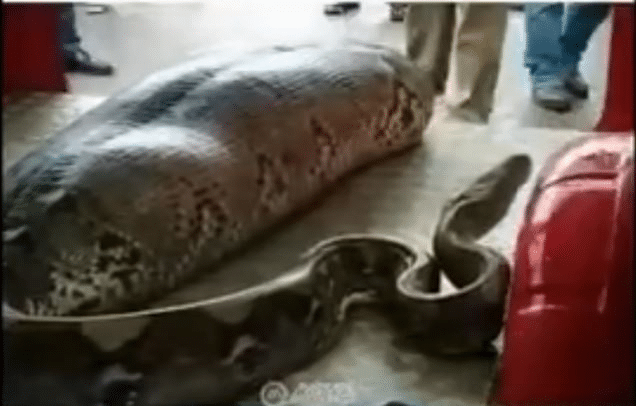
Eventually, she noticed something odd—the python stopped eating.
Concerned, she took it to a veterinarian. After hearing about the snake’s habits, including how it regularly lay stretched out next to her, the vet reportedly became alarmed.
Instead of focusing only on feeding issues, the vet asked detailed questions about the snake’s behavior—particularly its positioning and size.
The Explanation That Shocked Her
According to the viral claim, the veterinarian suggested that the snake might be “measuring” her—an idea that quickly spread online and shocked many readers.
The implication was that the python could be preparing to attack.
However, this is where it’s important to separate fact from myth.
What Experts Actually Say About Pythons
Wildlife and reptile experts have repeatedly addressed this story—and most agree that it is not scientifically accurate.
Key facts about pythons:
- They do not measure humans to prepare for attacks
- Refusing food can be caused by stress, temperature changes, or health issues
- Lying still is often normal behavior for reptiles conserving energy
While large snakes can be dangerous, especially in rare cases involving improper handling, the “measuring before attack” claim is considered a misinterpretation or urban legend, not proven animal behavior.
Real Safety Considerations
That said, experts still advise caution when keeping large reptiles:
- Avoid unsupervised close contact with large constrictor snakes
- Ensure proper enclosure and handling practices
- Monitor feeding patterns and health regularly
- Consult qualified reptile veterinarians for unusual behavior
Large snakes are powerful animals—not domesticated pets in the traditional sense.
Why This Story Went Viral
Stories like this spread quickly because they tap into fear, mystery, and the unknown. The idea of a hidden danger in a familiar setting makes for compelling—but often misleading—content.
In reality, most unusual animal behaviors have logical explanations rooted in biology, not intent.
Final Thoughts
While the story of the woman and her python is dramatic, it serves as a reminder to question viral claims and rely on expert knowledge.
Owning exotic animals comes with responsibility—and understanding their true behavior is key to staying safe.


