A routine international journey turned into a devastating catastrophe on June 12, 2025, when Air India Flight AI171 crashed shortly after takeoff from Ahmedabad, leaving a nation in mourning and raising urgent questions about aviation safety, risk management, and accountability in modern air travel.
A Flight That Never Reached Its Destination
Flight AI171, operated by a Boeing 787 Dreamliner, was scheduled to travel from Ahmedabad, India, to London Gatwick Airport. Onboard were 230 passengers and 12 crew members—individuals from diverse backgrounds including business professionals, students, families, and long-serving airline staff.
The aircraft departed at approximately 1:00 PM local time. Initial reports indicate that the takeoff appeared normal, with no immediate signs of distress. However, within minutes, the situation deteriorated rapidly.
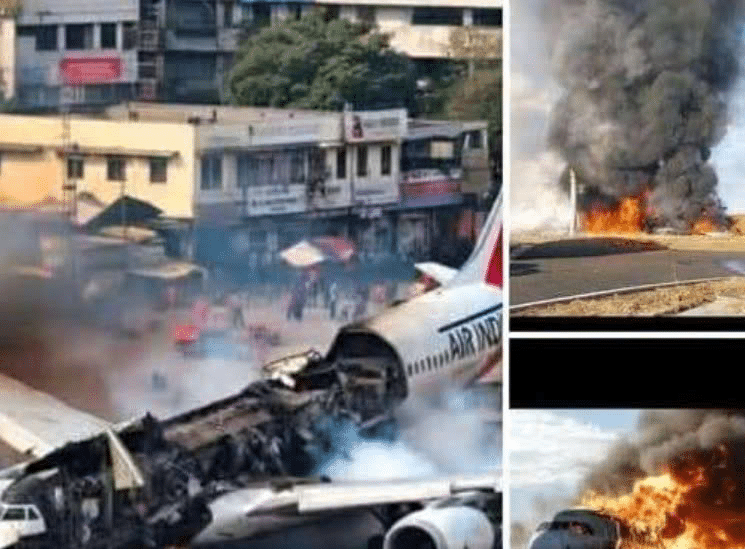
At around 1:10 PM, the aircraft issued a Mayday distress signal—an emergency call reserved for only the most critical life-threatening situations. Moments later, the plane crashed near Ghoda Camp, a densely populated residential area situated between Meghaninagar and the Ahmedabad Cantonment zone.
Chaos on the Ground
Witnesses described hearing loud explosions followed by plumes of thick black smoke rising into the sky. Several residents reported seeing the aircraft descending at an alarming speed, trailing smoke before disappearing behind buildings.
The crash caused extensive damage not only to the aircraft but also to nearby homes, vehicles, and infrastructure. Emergency responders—including firefighters, police, and medical teams—rushed to the scene, battling flames and navigating through debris-filled streets to search for survivors.
Despite their efforts, early reports suggested that all 242 individuals onboard were feared dead, making this one of the deadliest aviation disasters in recent Indian history.
Emergency Response and Rescue Efforts
Local residents played a crucial role in the initial response. Many rushed toward the crash site with buckets of water and improvised stretchers, attempting to assist victims before official rescue teams arrived.
Firefighters worked tirelessly to contain the blaze, while paramedics provided urgent medical attention in extremely hazardous conditions. Thick smoke and scattered debris made rescue operations significantly more challenging, delaying access to critical areas of the crash site.
Airports across India observed moments of silence, while government buildings lowered flags to half-staff in tribute to the victims.
Official Statements and National Mourning
In a formal statement, Air India confirmed the incident and pledged full cooperation with investigative authorities. The airline emphasized its commitment to transparency and to supporting affected families during this tragic time.
Chairman N. Chandrasekaran expressed deep sorrow, stating that the company is focused on assisting victims’ families and ensuring a thorough investigation.
Government officials, including the Prime Minister, extended condolences and assured the public that every effort would be made to uncover the truth behind the crash.
What Caused the Crash?
At this stage, the exact cause of the crash remains unknown. However, investigators are focusing on several key factors:
- The Mayday Call: This distress signal suggests a sudden and severe emergency, potentially involving mechanical failure, loss of control, or cabin issues.
- Black Box Data: Flight data recorders and cockpit voice recorders have been recovered and are expected to provide critical insights.
- Maintenance Records: Authorities will examine the aircraft’s service history for any signs of technical issues.
- Pilot Communication Logs: These may reveal what the crew experienced in the final moments before the crash.
The Directorate General of Civil Aviation (DGCA) has launched a full-scale investigation, with support from international aviation bodies and Boeing representatives.
Impact on Aviation and Insurance Sectors
This tragedy has far-reaching implications beyond aviation safety. The global airline industry, insurance providers, and financial markets are closely monitoring developments.
- Aviation Insurance: Claims related to aircraft loss, liability coverage, and passenger compensation could reach hundreds of millions of dollars.
- Airline Stocks: Events like this often impact investor confidence, potentially affecting airline and aerospace sector stocks.
- Risk Assessment Models: Insurers and financial institutions may reassess risk exposure in commercial aviation.
For passengers, this incident is a stark reminder of the importance of travel insurance and financial protection when flying internationally.
Families Await Answers
At Ahmedabad Airport, grieving relatives gathered in waiting areas, anxiously seeking information. Many held photographs of loved ones, hoping for clarity amid the uncertainty.
Air India deployed crisis counselors and support teams to assist families, while emergency helplines were activated to provide updates.
Across social media, tributes poured in. Stories of those onboard—newlyweds, students pursuing education abroad, and experienced crew members—highlighted the human cost behind the tragedy.
A Nation Reflects
As candlelight vigils take place across India, the crash of Flight AI171 serves as a painful reminder of how quickly life can change. While aviation remains one of the safest modes of transportation globally, incidents like this underscore the need for continuous improvement in safety protocols and oversight.
Experts emphasize that every aviation accident provides critical lessons. Transparency, accountability, and technological advancement will be essential in restoring public confidence.
Looking Ahead
Investigators caution that it may take weeks or even months before a final report is released. Until then, officials urge the public to avoid speculation and rely on verified information.
For now, the focus remains on supporting grieving families, honoring the victims, and ensuring that such a tragedy leads to meaningful change in aviation safety standards worldwide


