Long before the speeches, motorcades, campaign crowds, and history-making nights in Washington, there was a much quieter story unfolding thousands of miles away in Hawaii.
At the center of it was Stanley Ann Dunham, better known as Ann Dunham — a young American woman from Kansas who became the mother of Barack Obama, the future 44th president of the United States.
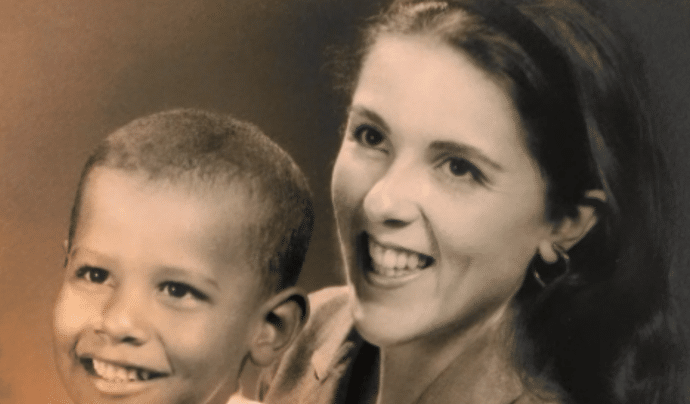
The familiar photographs of mother and son now carry a significance no one could have predicted when they were taken. In them, there is no White House and no presidential seal. There is simply a young mother raising a child while pursuing an education and gradually building a life that would take her across cultures and continents.
Ann’s story is often remembered because of the famous son she raised. Yet her own life was remarkable in ways that went far beyond politics. She became an anthropologist, lived for years in Indonesia, studied rural communities, and worked on programs intended to expand economic opportunities for women and small-scale entrepreneurs.
For older Americans, her photographs also open a window onto another era — one in which marriage, motherhood, college, and international travel came with very different expectations for young women.
A Young Family in a Newly American Hawaii
Ann Dunham was born in Wichita, Kansas, in 1942. Her family eventually moved to Hawaii, which had only recently become the 50th state when she began attending the University of Hawaii.
There she met Barack Obama Sr., a student from Kenya.
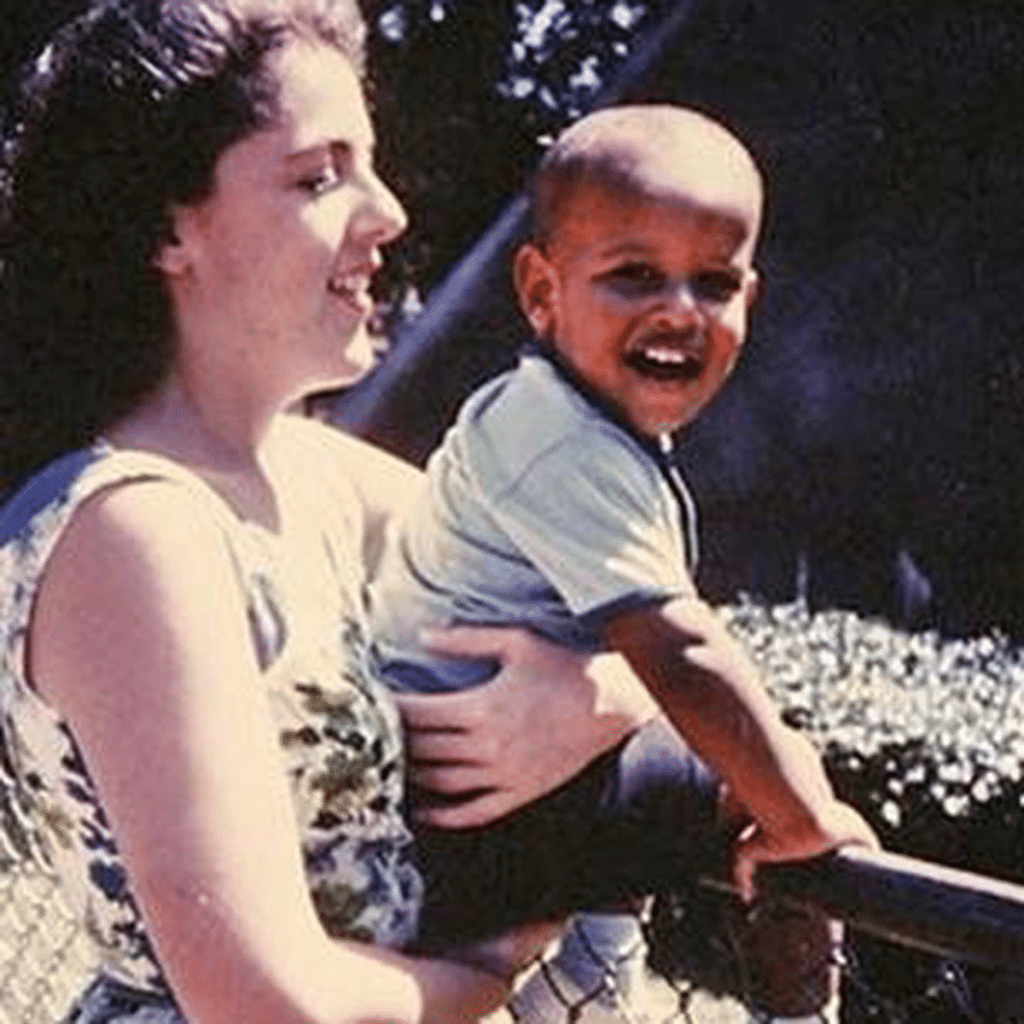
Their son, Barack Hussein Obama II, was born in Honolulu on August 4, 1961. According to the Barack Obama Presidential Library, his parents later divorced while he was still very young, and he was raised primarily by his mother and his maternal grandparents, Stanley and Madelyn Dunham.
Looking at photographs from those years today, it is easy to forget how ordinary the future still appeared.
There was no reason for anyone to imagine that the little boy in Ann’s arms would one day become a U.S. senator, campaign across the country, and eventually serve two terms in the White House.
At the time, Ann’s concerns were far more immediate.
She was a young mother trying to continue her education while creating a stable life for her child.
Her Path Was Unusual for the Early 1960s
American culture in the early 1960s placed strong expectations on young women.
Many were encouraged to marry early, establish a household, and shape their futures primarily around family life.
Ann followed a less conventional route.
After the end of her first marriage, she continued pursuing education and later married Indonesian student Lolo Soetoro. Her life would eventually carry her and young Barack far from Hawaii to Indonesia.
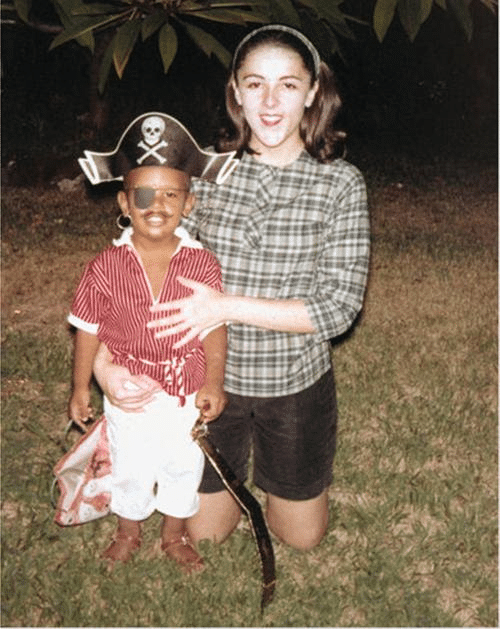
For a child growing up during that period, living between Hawaii and Indonesia meant encountering an unusually broad range of people, languages, customs, and economic conditions.
Barack Obama later spent significant portions of his childhood both in Indonesia with his mother and in Hawaii with his grandparents.
Those moves became an important part of the family story.
They also reflected Ann’s own curiosity about the world.
Indonesia Became More Than a Temporary Home
Ann’s years in Indonesia were not simply a family relocation.
They helped shape the direction of her professional life.
She developed a deep interest in anthropology and in the everyday economic lives of Indonesian communities. Over time, her work focused particularly on rural development, traditional crafts, small businesses, and the role women played within local economies.
That work placed her far from the image many Americans might associate with the mother of a future president.
She was not living a life centered on political ambition.
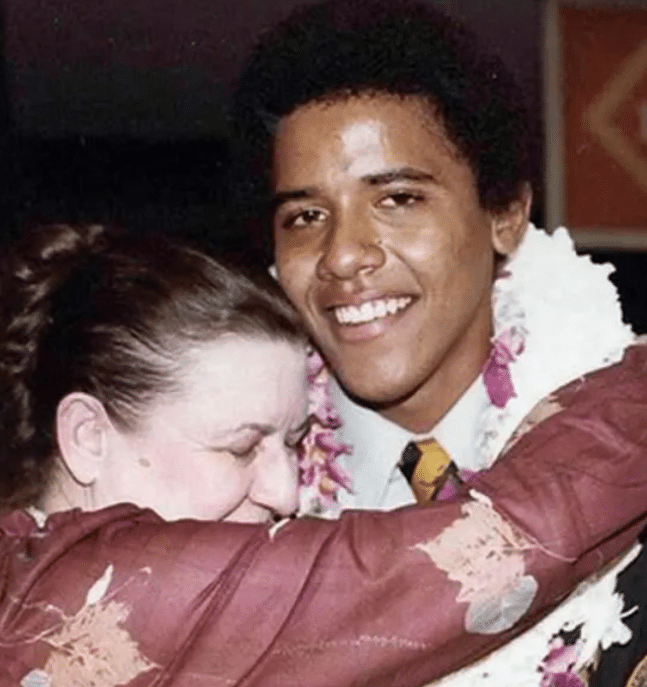
She was conducting research, traveling through communities, studying craftspeople and small producers, and trying to understand how ordinary families built livelihoods.
The Smithsonian’s National Anthropological Archives now preserves Ann Dunham’s papers, including field materials connected to her research in Indonesia.
A Mother, a Student, and an Anthropologist
Ann continued her education over many years.
The University of Hawaii records that she earned her bachelor’s degree in anthropology in 1967, a master’s degree in the 1970s, and eventually completed a doctorate in anthropology in 1992.
That timeline tells its own story.
Her education did not happen in one uninterrupted stretch.
It unfolded alongside motherhood, international moves, employment, field research, and family responsibilities.
For many older readers — especially women who remember balancing family obligations with careers or education — that long route may feel more meaningful than a perfectly straight path.
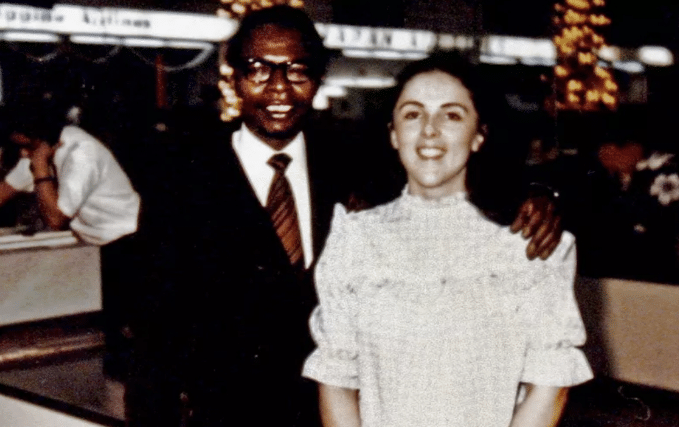
There were interruptions.
There were changes in direction.
Yet she kept returning to the work.
By the time she completed her doctorate, the young mother photographed decades earlier had become an established anthropologist with years of practical experience behind her.
Her Work Focused on Ordinary People’s Economic Lives
Ann’s professional interests were strongly connected to economic development.
Her research included traditional crafts and small-scale industries, while her later work involved programs related to microfinance and rural economic opportunity. The Obama Foundation describes her work as including efforts to expand opportunities for women through microfinance and rural development in Indonesia.
The Stanley Ann Dunham Fund similarly highlights her involvement in women’s welfare and small-loan initiatives.
These were not glamorous subjects.
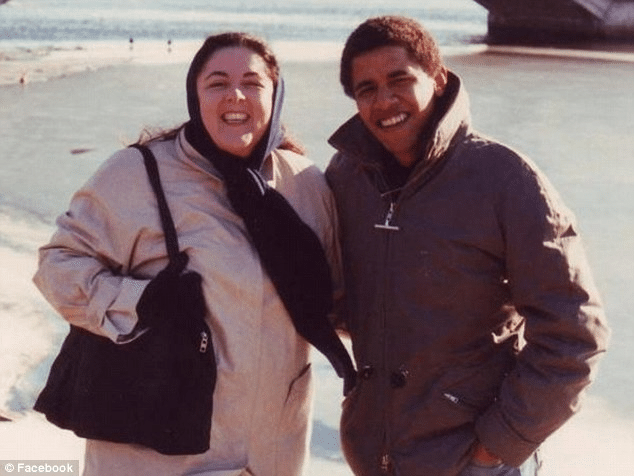
They involved the practical questions of how families earned money, how small businesses survived, and how women gained access to financial opportunities.
That may be one of the most overlooked aspects of her biography.
Long before her name became familiar because of presidential history, she had built a career studying how economic decisions affected people at the local level.
The Lessons at Home Were Just as Important
Public biographies of Barack Obama frequently describe Ann as a major influence on his worldview.
The Obama Foundation credits her belief in human dignity and her international outlook with helping shape values that her son later carried into public life.
Of course, no childhood can be reduced to one influence.
Obama was also shaped by his grandparents, his years in Hawaii, his experiences in Indonesia, his education, and many other relationships.
But Ann clearly occupied a central place in his early life.
One photograph from his youth captures that relationship especially well.
Seen with hindsight, it is tempting to interpret every childhood moment as preparation for what came later.
Yet those photographs are perhaps more touching when viewed without the presidency in mind.
They show a mother and son.
Nothing more was guaranteed.
She Never Saw Her Son Become President
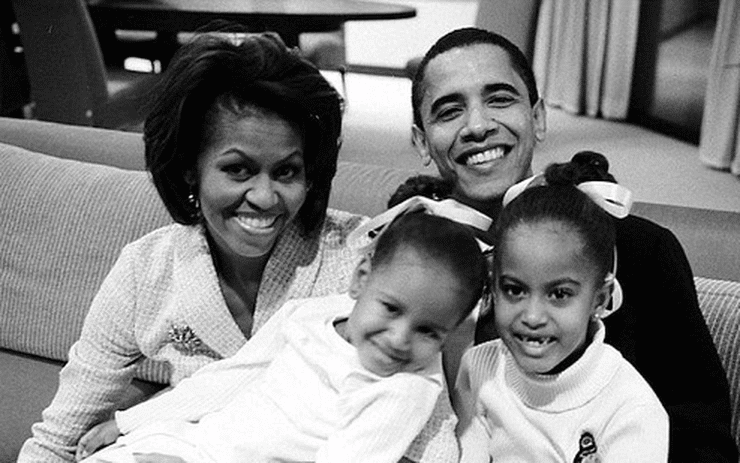
Ann Dunham died in Honolulu on November 7, 1995, at age 52.
At the time, Barack Obama was still years away from national political prominence.
She did not live to see him elected to the U.S. Senate.
She did not see the 2008 presidential campaign.
And she never witnessed the January day in 2009 when her son took the oath of office as president of the United States.
That fact adds a bittersweet quality to the old family photographs.
History eventually gave them a meaning that Ann herself could never have known.
For millions of Americans, Barack Obama would become one of the most recognizable political figures of the early 21st century.
For Ann, he had simply been her son.
The Grandparents Who Helped Raise Him
Ann’s story is also inseparable from her parents, Stanley and Madelyn Dunham.
When Barack returned to Hawaii for schooling, his maternal grandparents played an important role in raising him. The Obama Presidential Library notes that after his parents’ divorce, he was brought up by his mother and grandparents.
That kind of multigenerational household will feel familiar to many American families.
Grandparents often become essential figures when parents are working, studying, relocating, or dealing with difficult circumstances.
The future president’s upbringing was shaped by that same ordinary family reality.
Behind the public history was a network of relatives sharing responsibility for one child.
The Boy in the Photograph Grew Into a National Figure
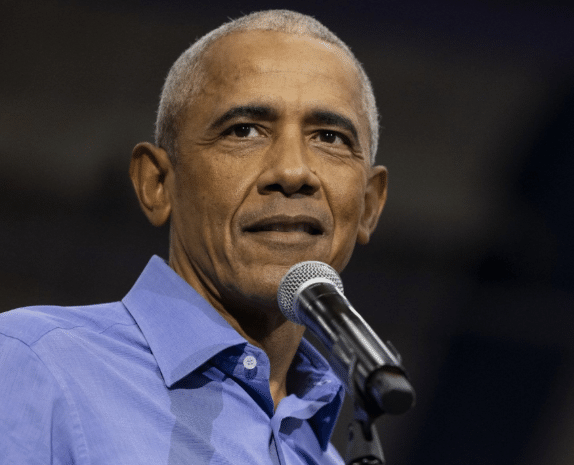
Decades later, the transformation was extraordinary.
The young boy photographed beside his mother eventually became a community organizer, attorney, Illinois state legislator, U.S. senator, and president.
Political opinions about Barack Obama’s presidency naturally vary, as they do with every president.
But the historical arc of the family photographs remains remarkable regardless of partisan perspective.
A child born to two university students in Hawaii eventually reached the nation’s highest elected office.
And the young mother beside him spent much of her own life pursuing a very different kind of work — anthropology, development, education, and community-based economic research.
Before History Knew Their Names
The most memorable image may still be the simplest one.
A young mother.
A little boy.
A smile captured by a camera.
No one looking at that scene could have known what the next four decades would bring.
Ann Dunham would travel, study, raise two children, conduct research, and build a professional life devoted largely to understanding communities far from the United States.
Her son would eventually return to the country of his birth and follow a path into public service that carried him all the way to the White House.
Their lives ultimately became part of a much larger American story.
But the photographs remind us where that story began.
Not at a campaign rally.
Not beneath the lights of a convention hall.
Not on the steps of the U.S. Capitol.
It began with a young family whose future was still unwritten — and a mother whose influence would continue long after her own life ended.