What may seem like a minor skin issue can sometimes point to something far more serious. In one unusual case, a routine medication change triggered a rare inflammatory reaction—proving that the body can send early warning signals in unexpected ways.
A Sudden Reaction No One Expected
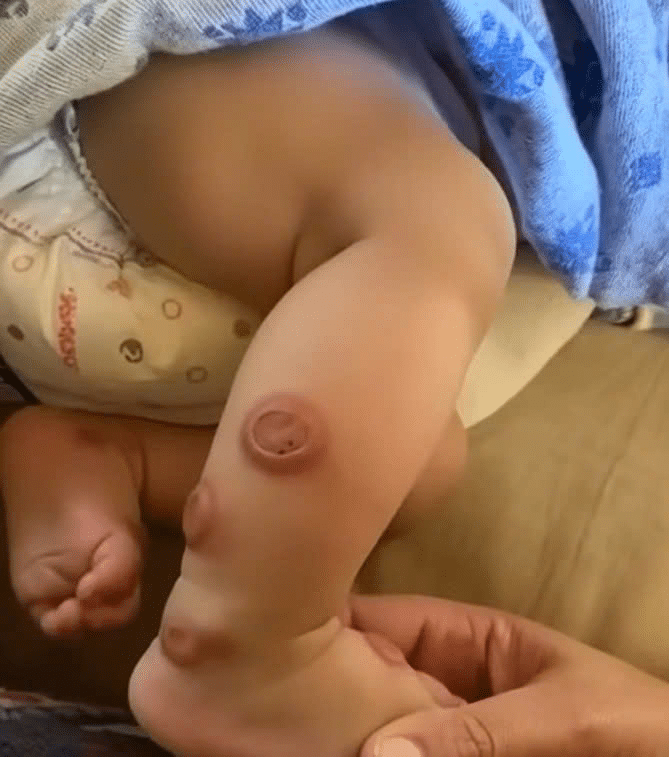
A 55-year-old woman with a history of hypertension and chronic obstructive pulmonary disease (COPD) had been stable on her long-term treatment plan. After experiencing increased shortness of breath, her doctor adjusted her therapy to a newer inhaled bronchodilator.
Within just two days, she developed alarming symptoms. Painful, red plaques appeared across her face and neck. Along with the skin changes, she experienced a low-grade fever and persistent fatigue. She had not changed her diet, skincare routine, or lifestyle—making the sudden reaction even more concerning.
When Skin Symptoms Signal Something Deeper
Recognizing that this was not a typical skin irritation, her primary care physician referred her to a dermatology specialist. Immediate steps were taken to control the situation. The new inhaled medication was discontinued, and she began treatment with systemic corticosteroids. Blood tests and a skin biopsy were also performed to identify the cause.
Within 48 hours, her condition began to improve. The redness faded, the pain decreased, and the lesions started to heal. However, the underlying diagnosis would reveal something much more significant.
A Rare Diagnosis: Sweet’s Syndrome
Laboratory results showed elevated white blood cell counts, particularly neutrophils, indicating an inflammatory response. The skin biopsy confirmed the diagnosis: Sweet’s syndrome, a rare condition also known as acute febrile neutrophilic dermatosis.
This condition is characterized by the sudden appearance of painful skin lesions, fever, and inflammation without infection. It is often associated with infections, autoimmune disorders, or certain medications. What made this case unique was the likely trigger—an inhaled bronchodilator capsule, something not commonly linked to this type of reaction.
Why This Case Matters
Many people assume inhaled medications only affect the lungs and carry minimal risk beyond respiratory side effects. However, this case highlights that even inhaled therapies can enter the bloodstream in small amounts and potentially trigger systemic immune responses in rare situations.
For healthcare providers and patients alike, this serves as a reminder to monitor any unusual symptoms after starting a new medication—even those considered low-risk.
Symptoms You Should Never Ignore
While Sweet’s syndrome is rare, recognizing its warning signs can lead to faster treatment and better outcomes. Key symptoms include:
- Painful, red or purple skin lesions
- Fever or chills
- Fatigue or general discomfort
- Rapid onset after medication changes
If these symptoms appear suddenly, especially after starting a new drug, medical evaluation is essential.
Effective Treatment and Recovery
Treatment typically involves two critical steps: stopping the triggering medication and reducing inflammation with corticosteroids. In this case, the patient responded quickly, with full recovery occurring within a week.
Follow-up care showed no recurrence, especially after switching to alternative therapies that did not include the suspected trigger.
What You Can Learn From This
This case reinforces several important lessons. Always pay attention to new or unusual symptoms, especially after medication changes. Even minor-looking skin issues can sometimes indicate deeper health concerns. Early diagnosis and prompt treatment can significantly improve outcomes and prevent complications.
Your skin can act as an early warning system for your body. Listening to it—and acting quickly when something feels off—can protect your overall health.


