For millions of Americans who gathered around the television set in the early 1960s, Sunday nights often meant a familiar trip to the Ponderosa.
Bonanza was more than a Western. It became part of the weekly rhythm of American life, bringing the Cartwright family into living rooms across the country. Among the show’s most memorable figures was Adam Cartwright, the thoughtful eldest son whose calm intelligence often balanced the personalities around him.
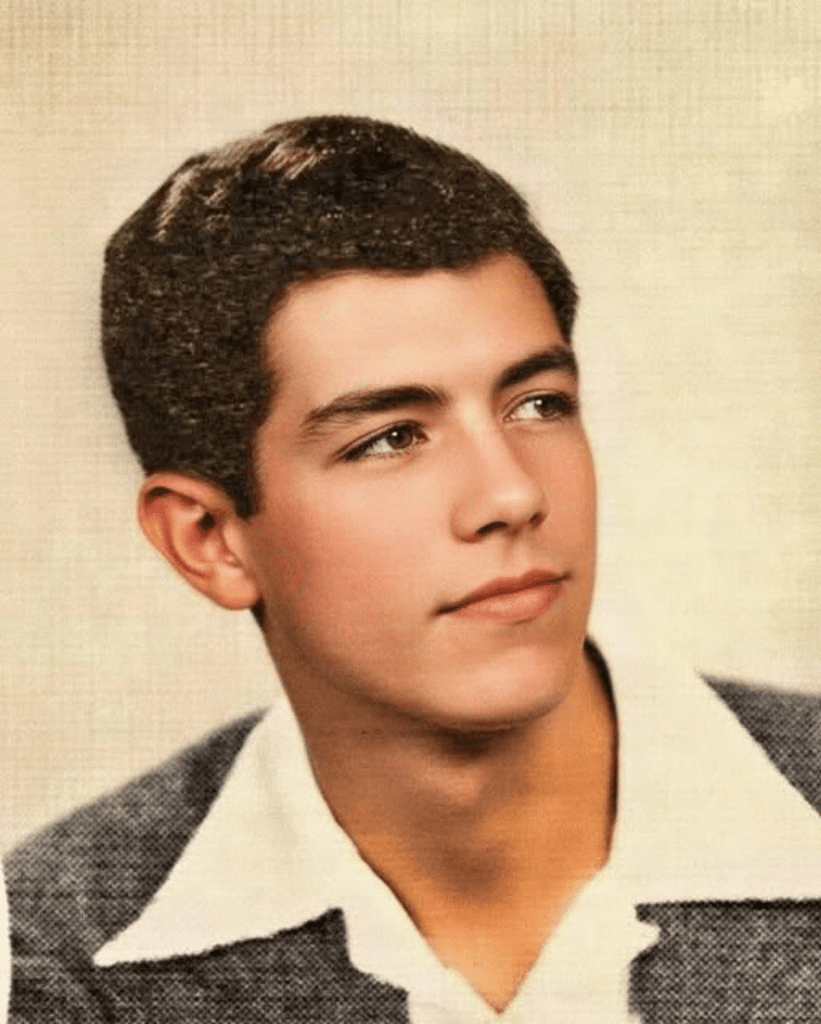
The actor behind Adam, Pernell Roberts, seemed to have everything a television performer could want: fame, a successful series, and a character recognized from coast to coast. Yet at the height of that success, he made a decision that puzzled many viewers.
He walked away.
A Young Performer With Bigger Ambitions
Born in Waycross, Georgia, in 1928, Pernell Roberts developed into a performer whose interests stretched well beyond television stardom. Before becoming a familiar face on the small screen, he built experience as a serious actor and remained deeply interested in theater and challenging dramatic material.
That background would eventually help explain one of the most talked-about choices of his career.
When Bonanza premiered in 1959, television Westerns were enormously popular. The Cartwright family quickly stood out, and Roberts’ portrayal of Adam brought something distinctive to the series.
Adam was educated, composed, and often more introspective than the traditional Western hero.
Video: Adam Cartwright | Kiss Me
For viewers who remember those early episodes, Roberts’ dark clothing, steady voice, and serious expression became instantly recognizable.
The Ponderosa Became a Television Tradition
At a time when families commonly watched television together, Bonanza became appointment viewing.
There were fewer channels, no streaming libraries, and no ability to watch an episode whenever you pleased. If a favorite show aired on Sunday evening, people planned around it.
That shared experience gave television stars a special place in American culture.
Roberts became closely associated with Adam Cartwright, and the role made him a household name. Yet success brought an unexpected problem: the actor increasingly wanted opportunities beyond the character audiences loved so much.
Why Leave a Hit Show?
Today, actors regularly move between television, movies, streaming series, and limited productions. In the 1960s, leaving a successful television program could be a far riskier decision.
Video: Pernell Roberts – “ALBERTA” – With Lyrics – clips from “Ride Lonesome”
Roberts nevertheless departed Bonanza after six seasons.
According to accounts of his career, he wanted more varied and challenging material rather than remaining tied indefinitely to one enormously popular character.
It was the kind of career decision that could easily surprise an audience.
From the outside, Adam Cartwright looked like the role of a lifetime. The show was successful, the character was popular, and Roberts had achieved the kind of recognition most working actors could only dream about.
But Roberts viewed acting as a craft rather than simply a path to celebrity.
He wanted room to explore.
Choosing the Actor’s Life Over the Celebrity Life
Roberts’ departure says something interesting about an earlier era of Hollywood.
Typecasting could be both a blessing and a burden. A successful character might provide financial security and public affection, but it could also make it difficult for audiences—and casting directors—to imagine an actor as anyone else.
Roberts reportedly spoke openly about such concerns and about his desire for artistic independence.
That perspective made his decision less mysterious.
He was not necessarily turning his back on success. He was choosing a different definition of it.
Life After Adam Cartwright
Leaving the Ponderosa did not mean disappearing from the entertainment world.
Roberts continued working across television, theater, and film, appearing in productions including The Virginian and numerous television projects. Years later, he found another major television role in Trapper John, M.D.
That later success was especially meaningful because it demonstrated that audiences could embrace him as someone other than Adam Cartwright.
For viewers who first knew him as the serious eldest Cartwright son, seeing him years later in a dramatically different setting could feel like meeting an old acquaintance after decades apart.
The face was familiar.
The world around him had changed completely.
When Television Stars Grew With Their Audience
There is a particular kind of nostalgia attached to actors whose careers lasted across several eras of television.
People who watched Roberts on Bonanza as children or young adults might later have encountered him again when their own lives looked very different. Careers had begun. Families had grown. Television itself had changed.
And yet there he was again.
That is one reason classic television remains so powerful for older audiences. An old episode can reopen more than a television story. It can bring back the room where the family watched together, the furniture, the voices of parents or grandparents, and a time when entertainment moved at a slower pace.
A Career Defined by More Than One Famous Role
It would have been easy for Pernell Roberts to spend his career simply protecting the fame he earned on Bonanza.
Instead, he chose uncertainty.
He continued pursuing different characters and different forms of storytelling, building a career that extended well beyond the Ponderosa. His later television work reinforced the versatility that had motivated him to leave such a secure position in the first place.
That choice may be easier to appreciate with the benefit of time.
Fame can be temporary. A popular television series eventually ends. But for some performers, the desire to keep growing matters just as much as remaining recognizable.
Why His Story Still Resonates
More than half a century after Roberts left Bonanza, the decision remains one of those fascinating chapters in classic television history.
To longtime viewers, Adam Cartwright will always belong to the golden age of the television Western—a period of sweeping landscapes, memorable theme songs, and evenings when millions of Americans watched the same stories at the same time.
But Pernell Roberts’ story reminds us that there was always a real actor behind that familiar character.
He had ambitions, convictions, and ideas about the kind of work he wanted to do.
Perhaps that is what makes his career particularly memorable today. He achieved the television fame so many performers spend years chasing, then demonstrated the courage to risk it for something he valued more: the chance to keep challenging himself.
For viewers who still remember Adam riding across the Ponderosa, Roberts remains part of a treasured television era.
Yet his most interesting legacy may be the choice he made when the cameras stopped rolling—the decision to leave one famous character behind and discover what else his career could become.