Hollywood has always known how to create a perfect image.
Studio photographers adjusted the lights, hairstylists arranged every curl, and publicists selected the portrait that would appear in newspapers and theater lobbies across America.
Every so often, however, a camera captures something less polished and more human.
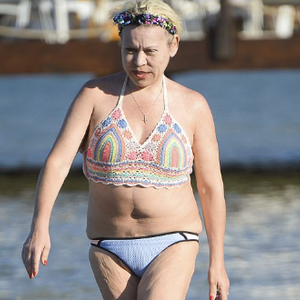
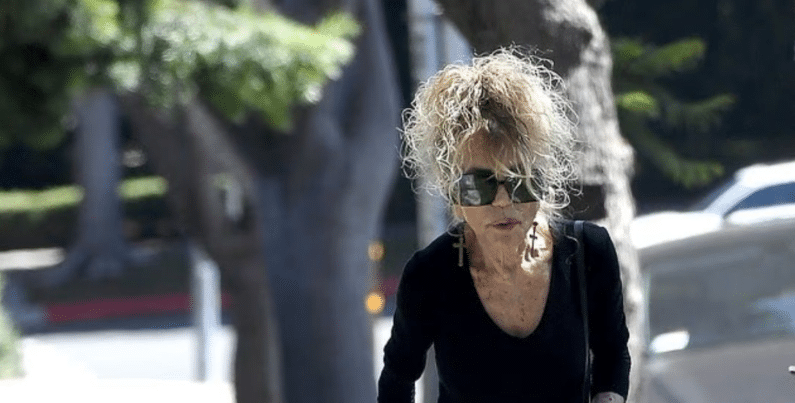
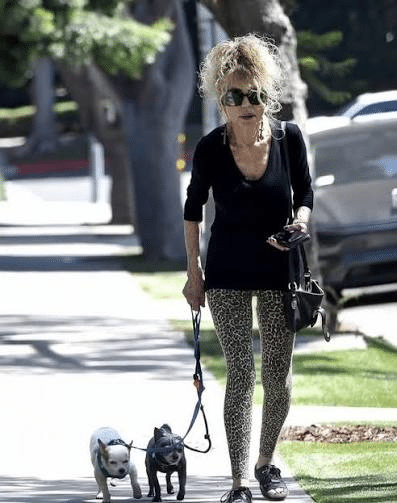
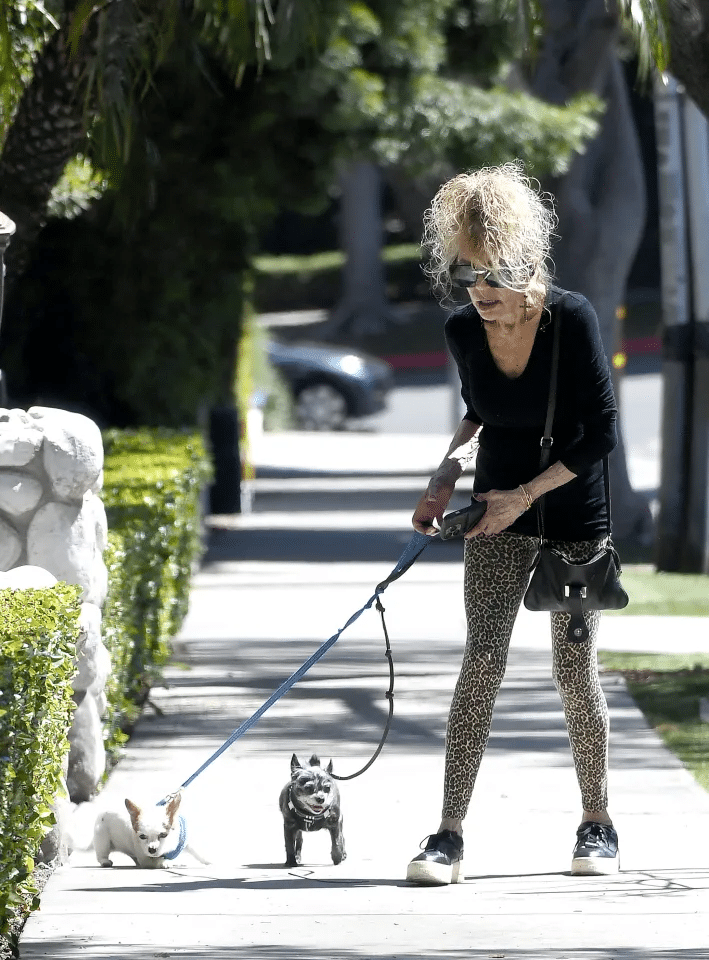
In the photograph recently circulated online, an older woman walks outdoors in dark clothing and oversized sunglasses. Her famous blonde curls are loosely gathered above her head, and there is no red carpet, designer gown, or carefully rehearsed pose.
Some readers may need a moment to recognize her.
She is Dyan Cannon, the actress, filmmaker, writer, producer, and editor whose sparkling personality helped define American movies of the late 1960s and 1970s.
Born on January 4, 1937, Cannon turned 89 in 2026. The photographs should not be treated as evidence that she has become “unrecognizable.” They simply show a woman living an ordinary day many decades after Hollywood first introduced her to the public.
Behind that candid image is a remarkable career containing three Academy Award nominations, a Golden Globe victory, memorable work with Warren Beatty and Sean Connery, an important step behind the camera, and a marriage to one of classic Hollywood’s most celebrated leading men.
A Young Woman From Tacoma With Hollywood Dreams
Dyan Cannon was born in Tacoma, Washington, as Samille Diane Friesen.
She grew up far from the carefully controlled world of major movie studios. After attending West Seattle High School, she began pursuing performance and eventually found work on television during the late 1950s.
Those early television appearances came during a very different entertainment era.
American families gathered around one set in the living room. There were only a few networks, and a guest appearance on a popular Western or detective series could introduce a young performer to millions of viewers in a single evening.
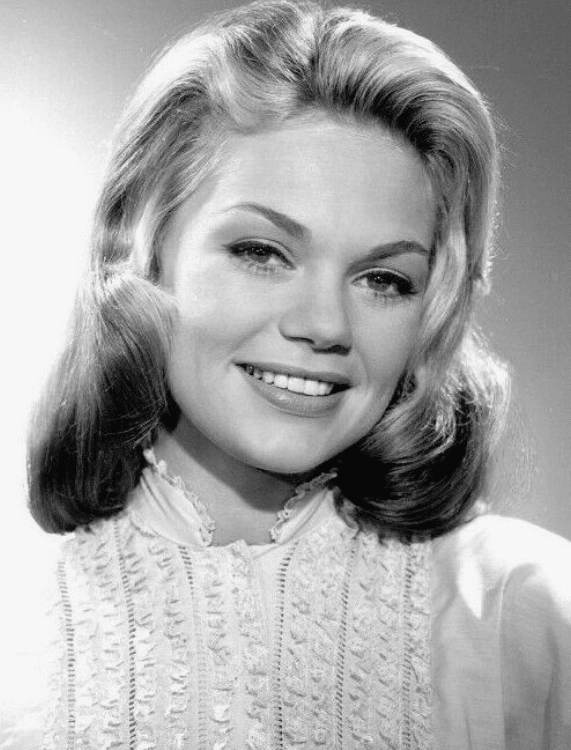
Early portraits show the qualities that casting directors noticed.
Cannon appeared on programs including Bat Masterson, 77 Sunset Strip, The Untouchables, and Gunsmoke. Her film career began around 1960, but for much of the decade she continued moving between television assignments while waiting for the role that would reveal what she could truly do.
She possessed the polished beauty expected from actresses of the period, but there was also something playful and independent in her expression. Cannon never appeared entirely comfortable being treated as a decorative figure.
Her eyes suggested that she understood the joke before anyone else in the room.
That quality would become essential when Hollywood entered one of its most dramatic periods of change.
The Movie That Made Audiences Notice Her
Cannon’s breakthrough came in Paul Mazursky’s 1969 comedy-drama Bob & Carol & Ted & Alice.
The film starred Natalie Wood, Robert Culp, Elliott Gould, and Cannon as two married couples attempting to understand the rapidly changing attitudes of late-1960s America.
The country was experiencing enormous cultural shifts.
Traditional expectations surrounding marriage, family, personal freedom, and social behavior were being openly questioned. Younger Americans challenged the rules followed by their parents, while older generations struggled to understand what was being lost and what might be gained.
The film approached those tensions through humor rather than lectures.
Cannon played Alice Henderson, a woman drawn into conversations and situations that test her confidence, marriage, and understanding of herself. Her performance was funny, nervous, intelligent, and emotionally honest.
Audiences could see Alice trying to remain composed even when the world around her no longer followed familiar rules.
The role earned Cannon her first Academy Award nomination for Best Supporting Actress. She also received two Golden Globe nominations connected to the film.
For moviegoers who saw it during its original release, Bob & Carol & Ted & Alice may bring back memories of an era when adult comedies could become major theatrical events.
People bought tickets at neighborhood cinemas, discussed the film over dinner, and debated whether it was daring, amusing, uncomfortable, or all three at once.
Cannon emerged from those discussions as one of Hollywood’s most exciting new personalities.
She Wanted to Create Stories, Not Just Appear in Them
Cannon’s ambitions extended beyond acting.
At a time when comparatively few women were given opportunities to direct, she began developing projects behind the camera. She wrote, directed, produced, and edited the short film Number One.
The film received an Academy Award nomination for Best Live Action Short Film at the 1977 ceremony, with Dyan and Vince Cannon recognized as its producers.
This nomination was especially meaningful because it showed that her creative abilities were not limited to performing someone else’s script.
A filmmaker must make hundreds of decisions.
Which moments belong in the story?
Where should the camera be placed?
How long should the audience remain with a particular expression?
Which scenes should be removed, even when they were difficult to create?
Cannon understood those questions from both sides of the lens.
Her work on Number One placed her among the relatively small group of established actresses of that period who actively pursued writing, directing, producing, and editing.
The achievement also gave her a second Academy Award nomination before one of the most memorable performances of her career had even arrived.
A Delightfully Difficult Wife in Heaven Can Wait
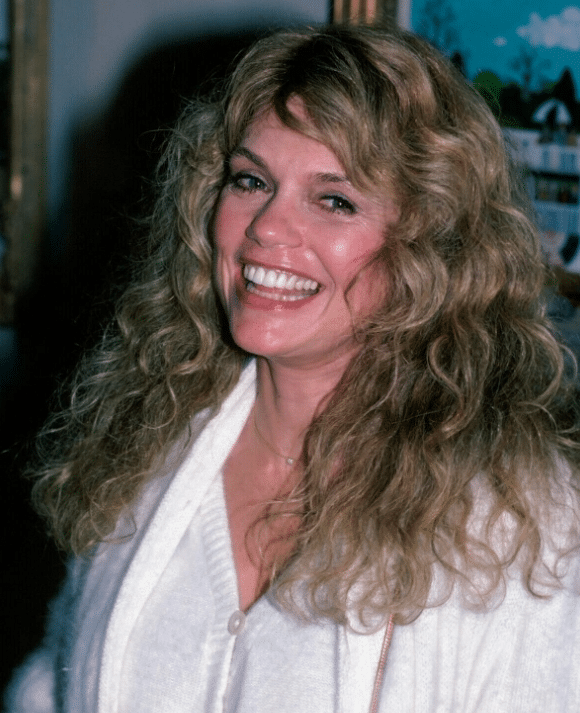
In 1978, Cannon appeared in Heaven Can Wait, directed by Warren Beatty and Buck Henry.
Beatty played Joe Pendleton, a professional football player mistakenly removed from his body before his proper time. When returning to his original life becomes impossible, he enters the body of wealthy industrialist Leo Farnsworth.
The situation becomes especially complicated because Farnsworth’s wife, Julia, has been plotting against him.
Cannon played Julia with magnificent comic confidence.
The character was selfish, theatrical, and alarmed to discover that the husband she expected to disappear was suddenly behaving like an energetic athlete.
Cannon did not attempt to make Julia traditionally sympathetic. Instead, she embraced the woman’s vanity and frustration, finding humor in every suspicious glance and carefully controlled outburst.
The performance earned Cannon another Academy Award nomination for Best Supporting Actress. She also won the Golden Globe for Best Supporting Actress in a Motion Picture.
The film became one of the popular comedies of its era, combining fantasy, romance, sports, and satire without losing its gentle emotional center.
For older viewers, it may recall a time when Hollywood regularly produced sophisticated comedies for adult audiences—movies built around clever dialogue and character performances rather than elaborate visual effects.
Cannon’s Julia Farnsworth remains one of the reasons the film is so enjoyable.
She transformed a potentially unpleasant character into someone audiences could not wait to see again.
A Marriage That Became Part of Hollywood History
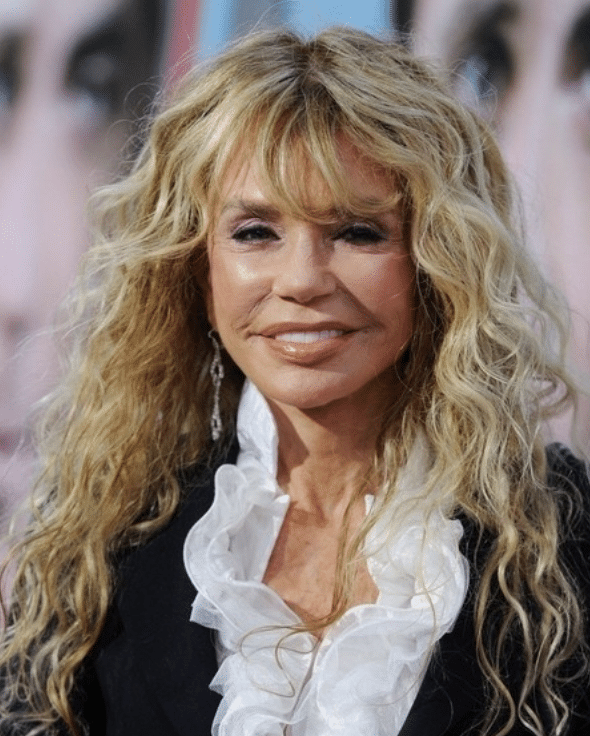
Long before her greatest professional achievements, Cannon entered one of Hollywood’s most closely watched relationships.
She began dating Cary Grant, the elegant star of classics including North by Northwest, An Affair to Remember, Charade, and The Philadelphia Story.
Grant represented an older Hollywood ideal.
He was polished, witty, impeccably dressed, and seemingly comfortable in every situation. His screen image suggested a man who always knew what to say and how to say it.
Cannon was younger, more spontaneous, and part of a generation bringing a different energy into the movie business.
They married in 1965 and welcomed their daughter, Jennifer Grant, in 1966. The marriage ended in divorce in 1968.
Their relationship received intense attention because Grant was one of the most famous actors in the world. Cannon later explained that living beside such a powerful public image could make it difficult to protect her own identity.
She eventually wrote about the marriage in her 2011 memoir, Dear Cary: My Life with Cary Grant. The book offered her perspective on their romance, family life, struggles, and the lasting emotions attached to that chapter.
The memoir did not erase Grant’s cinematic legacy, nor did it reduce Cannon’s life to being his former wife.
Instead, it allowed her to reclaim her place inside a story that had often been told from the viewpoint of Hollywood mythology.
A New Generation Discovered Her on Television
Cannon continued working in film through the 1980s and beyond, appearing in projects such as Deathtrap, Honeysuckle Rose, Author! Author!, Out to Sea, and That Darn Cat.
She also directed the feature film The End of Innocence, further demonstrating her interest in shaping stories behind the camera.
During the late 1990s, another generation discovered her through Ally McBeal.
She played Judge Jennifer “Whipper” Cone, a confident and unconventional legal figure involved in a relationship with Richard Fish, portrayed by Greg Germann.
The role was perfectly suited to Cannon’s strengths.
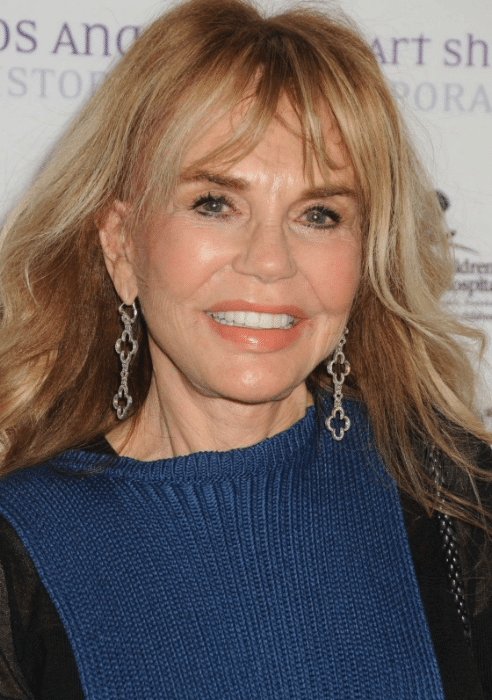
Whipper could be commanding in the courtroom, playful in private, and entirely comfortable expressing opinions that surprised the younger characters around her.
The series itself became one of television’s defining comedies of the period, blending workplace stories, romance, fantasy, and unusual visual humor. It won the 1999 Emmy for Outstanding Comedy Series.
Cannon’s recurring performance reminded audiences that women do not lose humor, romance, authority, or individuality as they grow older.
Whipper was not treated merely as someone’s mother or mentor.
She had her own desires, standards, and complicated life.
Still Participating in the City She Loves
Cannon has remained visible in Los Angeles, particularly at Lakers basketball games.
She attended a game at Crypto.com Arena in March 2025 and had also been photographed supporting the team during the previous season.
Her enthusiasm for the Lakers has become a familiar part of her public personality, connecting her with the rhythms of the city beyond movie premieres and awards ceremonies.
In July 2026, she also appeared in a cheerful photograph with fellow 1970s stars Donna Mills, Jaclyn Smith, and Alana Stewart while celebrating a longtime friend’s birthday. The image inspired affectionate responses from fans pleased to see the women enjoying one another’s company decades after their earliest successes.
Such moments offer a better picture of aging than any sensational headline.
A meaningful later life is not measured by remaining identical to a photograph taken at 30.
It can be measured through friendship, curiosity, humor, creative work, family, and the continued willingness to participate in the world.