In a country that proudly calls itself the land of freedom, one painful reality continues to spark outrage and debate: children in the United States have been sentenced to spend the rest of their lives in prison without the possibility of parole.
For many Americans, the idea is almost impossible to process. Childhood is supposed to be a time of growth, mistakes, learning, and second chances. Yet for some minors—some barely teenagers—that chance has been permanently taken away by a justice system that, critics say, too often favors punishment over rehabilitation.
This troubling issue has drawn renewed attention from civil rights advocates, legal experts, and families who believe the criminal justice system must do more to reflect both science and humanity.
Children Behind Bars for Life
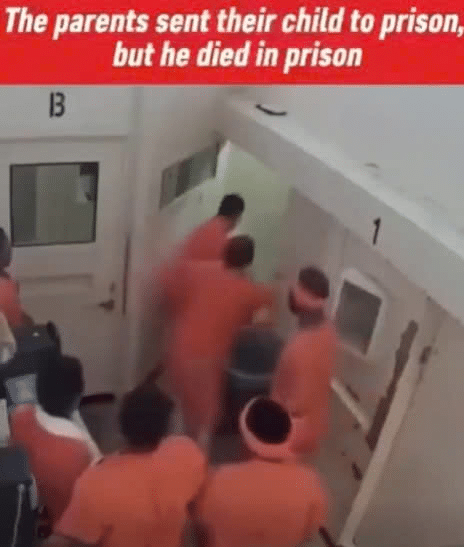
According to findings highlighted by advocacy groups including Human Rights Watch and the Equal Justice Initiative, dozens of children under the age of 14 have received life sentences without parole in the United States. Behind those numbers are stories filled with trauma, instability, and devastating circumstances.
Many of these children did not come from safe or stable homes. Some were raised around violence, neglect, poverty, or abuse. Others were pulled into tragic situations they did not fully understand. While some committed serious crimes, others played secondary roles in incidents that changed their lives forever.
The larger question remains: should a child, whose brain and judgment are still developing, ever be condemned to die in prison?
The Case That Shocked the Nation
One of the most widely discussed cases was that of Lionel Tate. In 1999, Tate was just 12 years old when he was convicted in the death of a 6-year-old girl during what he said was a wrestling game that ended tragically. Although he claimed there was no intention to kill, he received a life sentence without parole.
The sentence triggered public outrage.
Many argued that a 12-year-old could not possibly understand consequences in the same way an adult could. After years of legal challenges and widespread criticism, his sentence was eventually reduced. But the case left a lasting mark on the national debate over juvenile justice.
It forced Americans to confront a difficult truth: when the system treats children like adults, it may erase the possibility of redemption before life has even fully begun.
What Science Says About Juvenile Responsibility
Video: A Life Lost to Prison: Sentenced to Life Since Childhood
Psychologists and child development experts have long emphasized that children are not simply smaller adults. Their brains are still developing, especially in areas tied to impulse control, emotional regulation, decision-making, and understanding long-term consequences.
That science has become central to arguments against life-without-parole sentences for minors.
Critics say these punishments ignore the reality that children are more vulnerable to peer pressure, more likely to act impulsively, and more capable of change over time. In other words, the same traits that can contribute to tragic mistakes are also what make rehabilitation possible.
For reform advocates, this is not about excusing harm. It is about acknowledging that children have a greater capacity for growth, accountability, and transformation than the justice system often allows.
States Still Struggle With Reform
Although public opinion has shifted, several states have historically remained among the toughest when it comes to sentencing minors. Florida, Michigan, and Pennsylvania have often been cited among the states with the highest numbers of juvenile offenders serving life sentences.
Supporters of harsh sentencing argue that some crimes are so severe that age should not shield offenders from the strongest penalties. They say justice for victims and public safety must remain top priorities.
But opponents counter that true justice should also leave room for mercy and rehabilitation—especially when the person being sentenced was still a child at the time of the offense.
Major Court Decisions Changed the Debate
In 2012, the U.S. Supreme Court ruled that mandatory life sentences without parole for juveniles were unconstitutional. The Court recognized that children are fundamentally different from adults and should not automatically face the harshest punishment available.
Then, in 2016, the Court ruled that the decision should apply retroactively, opening the door for many people already serving such sentences to seek review of their cases.
Even so, many remain behind bars, waiting for hearings, appeals, or resentencing. For some, legal relief has moved painfully slowly, leaving them in uncertainty for years.
A Push for Restorative Justice
Legal reformers and civil rights leaders continue to argue that the future of juvenile justice should focus more on restoration than permanent condemnation.
Programs centered on therapy, education, mentorship, and reintegration have shown that young offenders can change when given structure and support. These models do not erase accountability. Instead, they aim to balance responsibility with the belief that a child’s worst mistake should not define their entire life forever.
Advocates say that when the system gives up on children, it sends a dangerous message—that some lives are beyond hope.
The Role of Race and Poverty
The debate around juvenile life sentences also intersects with deeper issues of inequality. Advocates have repeatedly pointed out that children of color, particularly Black boys, are more likely to receive harsh sentences than white children in similar cases.
Economic hardship also plays a major role. Children from underfunded communities often have less access to strong legal defense, mental health resources, education, and early support systems that might have changed the course of their lives.
This means the issue is not only about criminal justice. It is also about social inequality, opportunity, and who gets seen as redeemable.
What Kind of Justice Should America Choose?
The treatment of children in the justice system raises one of the most important moral questions a society can face: is justice only about punishment, or should it also include the possibility of change?
Across prisons in America, there are people who entered as children and have now spent more of their lives behind bars than in freedom. Some have pursued education, found faith, mentored others, and shown real personal growth. Yet for too many, the system still offers no meaningful second chance.
That reality continues to challenge the image of a nation built on liberty and opportunity.
Final Thoughts
The issue of children sentenced to life in prison without parole is more than a legal debate—it is a reflection of a society’s values. It asks whether justice can exist without mercy, and whether a child who makes a terrible mistake should ever be denied the possibility of redemption.
A fair system must protect victims, uphold accountability, and preserve public safety. But it must also recognize that children are still developing, still changing, and still capable of becoming more than the worst thing they have ever done.
If America truly believes in freedom, renewal, and second chances, then its justice system must find room for all three.


