Noticing red dots on your skin can be unsettling.
They may appear suddenly or develop slowly over time. Some are tiny and flat. Others are raised, itchy, bright red, purple, or clustered together like a rash. In many cases, red dots are harmless and related to minor irritation, heat, aging, or common skin conditions.
But sometimes, red spots may signal something that needs medical attention.
The key is not to panic. The key is to look closely at the pattern, pay attention to other symptoms, and know when it is time to see a healthcare professional.
Red dots can have many causes, from harmless cherry angiomas to pinpoint bleeding under the skin, allergic reactions, infections, medication effects, or blood vessel inflammation. Because several conditions can look similar, a proper medical evaluation is the safest way to know what is really happening.
1. Cherry Angiomas
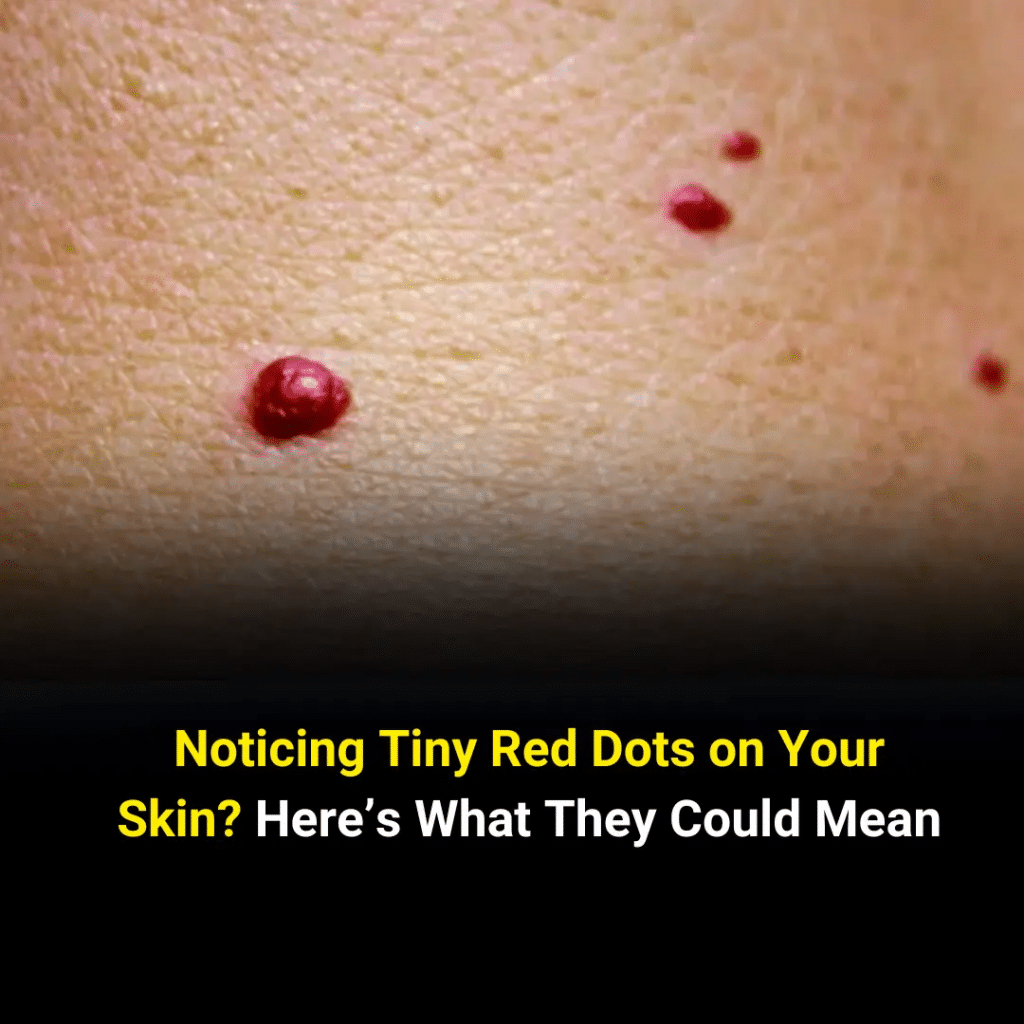
One of the most common causes of small red dots on the skin is a cherry angioma.
Cherry angiomas are small, bright red skin growths made from tiny blood vessels. They may look like red moles or little drops of blood on the skin. Cleveland Clinic describes cherry angiomas as small red bumps that are harmless to overall health and commonly appear after age 30.
They often appear on the chest, stomach, back, arms, or shoulders. They may be flat or slightly raised, and they can range from pin-sized to several millimeters wide.
Most cherry angiomas do not require treatment. However, they can bleed if scratched or injured. Some people choose to have them removed for cosmetic reasons or if they are frequently irritated by clothing.
You should have a dermatologist examine any red spot that grows quickly, changes color, bleeds repeatedly, looks unusual, or appears suddenly in large numbers.
2. Petechiae
Petechiae are tiny red, purple, or brown dots caused by bleeding under the skin.
They are usually flat and pinpoint-sized. One important clue is that petechiae typically do not turn white when you press on them. Mayo Clinic explains that petechiae form when capillaries bleed and leak blood into the skin, creating tiny red, brown, or purple spots that may appear in groups like a rash.
Petechiae can happen from minor causes, such as coughing hard, vomiting, straining, or a small injury. But they can also be linked to more serious conditions, including infections, low platelet count, medication reactions, or clotting disorders.
This is why petechiae should be taken seriously, especially if they appear suddenly, spread quickly, or come with other symptoms. Mayo Clinic advises seeing a healthcare professional soon if petechiae appear all over the body or if you cannot identify the cause.
Seek urgent care if red or purple pinpoint dots appear with fever, severe headache, confusion, stiff neck, trouble breathing, unusual bleeding, dizziness, or extreme weakness.
3. Rashes and Skin Irritation
Sometimes red dots are part of a rash caused by irritation or an allergic reaction.
Common triggers include new soaps, detergents, perfumes, lotions, plants, fabrics, jewelry, foods, or medications. The dots may come with itching, swelling, dryness, burning, or peeling.
Contact dermatitis, eczema, and allergic skin reactions can all cause red spots or bumps. These are often uncomfortable but manageable once the trigger is identified and avoided.
If the rash is mild, gentle skin care may help. Avoid scratching, use fragrance-free moisturizers, and stop using any new products that may have triggered the reaction.
However, medical evaluation is important if the rash spreads quickly, becomes painful, blisters, oozes, appears with fever, or affects the eyes, mouth, or genitals.
4. Keratosis Pilaris
Keratosis pilaris is a common skin condition often called “chicken skin.”
It causes tiny rough bumps that may look red, pink, or flesh-colored. These bumps often appear on the upper arms, thighs, cheeks, or buttocks. They happen when keratin, a protein in the skin, builds up and blocks hair follicles.
Keratosis pilaris is harmless, but it can be frustrating because it may persist for years. It is often more noticeable in dry weather or when the skin is not well moisturized.
Gentle exfoliation, regular moisturizing, and creams containing ingredients such as lactic acid, urea, or salicylic acid may improve the texture. Avoid harsh scrubbing, which can make redness and irritation worse.
A dermatologist can recommend the safest treatment if the bumps are inflamed, itchy, or cosmetically bothersome.
5. Heat Rash
Heat rash can develop when sweat ducts become blocked and sweat gets trapped under the skin.
It often appears as tiny red dots, bumps, or blisters. The skin may feel prickly, itchy, or irritated. Heat rash is common in hot, humid weather, during exercise, or when clothing traps heat and sweat against the skin.
It often appears in areas where sweat collects, such as the neck, chest, back, underarms, groin, or skin folds.
Most heat rash improves once the skin cools down. Wearing breathable clothing, staying in cooler environments, showering after sweating, and keeping the skin dry can help.
See a healthcare provider if the rash becomes painful, swollen, warm, pus-filled, or is accompanied by fever, because those may be signs of infection.
6. Skin Infections
Some infections can cause red spots or rashes on the skin.
Viral illnesses, bacterial infections, fungal infections, and certain childhood illnesses may all cause red dots or patches. These may appear with fever, sore throat, fatigue, body aches, swollen glands, or general illness.
For example, some infections can cause widespread rashes, while others create localized red bumps, pustules, or inflamed patches.
Because infection-related rashes can vary widely, it is important not to guess. If red dots appear along with fever, worsening pain, spreading redness, pus, or feeling very unwell, medical evaluation is necessary.
7. Blood Vessel or Autoimmune Conditions
Some red or purple dots may be related to blood vessel inflammation or autoimmune disease.
Conditions such as vasculitis can cause red or purple spots, sometimes on the legs. These spots may be flat or raised and may appear with swelling, joint pain, fatigue, numbness, fever, or other symptoms.
Autoimmune conditions, including lupus and other inflammatory disorders, can also cause skin changes that may include red or purple spots.
These conditions require medical diagnosis and treatment. If red dots appear with unexplained fatigue, joint pain, swelling, fever, shortness of breath, or unusual bruising, it is important to seek care.
8. Medication Side Effects
Some medications can cause red dots, bruising, rashes, or bleeding under the skin.
Blood thinners, certain antibiotics, anti-inflammatory medications, steroids, and some other prescriptions may contribute to skin changes in certain people. Medication-related spots may appear after starting a new drug or changing a dose.
Do not stop prescribed medication on your own unless a healthcare provider tells you to. Instead, contact your doctor or pharmacist and explain what you are seeing.
Seek urgent care if a rash appears with facial swelling, trouble breathing, blistering, skin peeling, fever, or mouth sores, as these may indicate a serious reaction.
A Simple Test: Do the Spots Blanch?
One useful observation is whether the red dots blanch.
Blanching means the spot turns lighter or white when you press on it, then returns to red when you release pressure. Many common rashes blanch. Petechiae and purpura usually do not because they involve blood under the skin.
This test does not replace medical care, but it can be helpful information to tell your doctor.
If spots do not blanch, especially if they are widespread or appear with fever or illness, seek medical advice promptly.
When Should You See a Doctor?
Many red dots are harmless, but some warning signs deserve attention.
Seek medical care if you notice a sudden appearance of many red or purple dots without an obvious cause, spots that do not fade when pressed, rapid spreading, bleeding spots, fever, headache, sore throat, fatigue, joint pain, unexplained bruising, or red dots after starting a new medication.
You should also see a dermatologist if a red spot changes size, shape, color, or texture, bleeds repeatedly, becomes painful, or looks different from other marks on your skin.
Early evaluation can bring peace of mind and help identify problems before they become more serious.
How Red Dots Are Managed
Treatment depends entirely on the cause.
Cherry angiomas usually need no treatment unless they bleed or bother you cosmetically. Petechiae require evaluation to determine why bleeding under the skin is happening. Rashes may improve with avoiding triggers, moisturizers, or medication recommended by a clinician. Heat rash often improves with cooling and keeping skin dry. Keratosis pilaris may improve with gentle exfoliation and moisturizing. Infections, autoimmune conditions, and medication reactions need medical guidance.
The most important step is identifying the cause correctly.
The Bottom Line
Red dots on your skin can mean many different things.
Some are harmless, like cherry angiomas or mild heat rash. Others, such as petechiae, infections, medication reactions, or blood vessel conditions, may require medical evaluation.
Do not ignore red dots that appear suddenly, spread quickly, do not blanch, bleed, or come with fever, pain, fatigue, weakness, or unexplained bruising.
Your skin can reveal important clues about your health. Paying attention to new or unusual changes is a simple way to protect yourself and get help when it matters.
Disclaimer: This article is for informational purposes only and is not medical advice. If you notice sudden, spreading, painful, bleeding, or unexplained red dots on your skin, consult a qualified healthcare professional.


