Released in the summer of 1960, “Itsy Bitsy Teenie Weenie Yellow Polka Dot Bikini” became one of the most memorable novelty pop hits of its era. Sung by a young Brian Hyland, the playful track quickly captured the imagination of listeners and climbed all the way to No. 1 on the Billboard Hot 100.
At first, it sounded like a simple, funny summer song. It had a catchy melody, a cheerful rhythm, and a humorous story about a shy young woman too embarrassed to step out in her new bikini. But beneath its lighthearted surface, the song reflected something bigger: the changing attitudes toward youth, fashion, confidence, and popular culture at the beginning of the 1960s.
Even though only a few casual listeners may remember the song clearly today, those who grew up with it know how instantly recognizable it remains. From its bright vocals to its playful countdown, the track still carries the sound of a carefree summer from another time.
A Novelty Song That Became a Pop Phenomenon
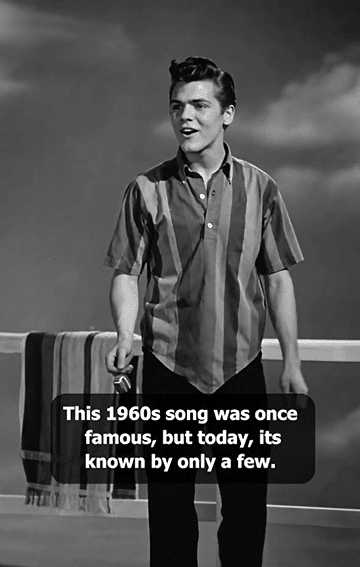
“Itsy Bitsy Teenie Weenie Yellow Polka Dot Bikini” was written by Paul Vance and Lee Pockriss, a songwriting team with a strong sense of humor and pop instinct. They created a song with a title so unusual that it almost guaranteed attention before anyone even heard the first note.
The story was simple but unforgettable.
A young woman buys a tiny yellow polka-dot bikini but is too shy to let anyone see her wearing it. She hides in the changing booth, then wraps herself in a blanket, then avoids being noticed at the beach. The lyrics turn that embarrassment into comedy, making the song playful rather than scandalous.
That balance was important.
In 1960, the bikini was still seen by many as bold and daring. The song managed to reference a changing fashion trend while keeping the tone innocent, humorous, and radio-friendly. It gave listeners something modern without feeling too rebellious.
That helped the track appeal to teenagers and parents alike.
Brian Hyland Became an Instant Teen Star
Brian Hyland was only 16 years old when he recorded the song, and his youthful voice became a major part of its charm. He did not sing it with irony or attitude. Instead, he delivered it with brightness, innocence, and enthusiasm.
That fresh sound made him instantly appealing to young audiences.
Hyland’s clean-cut image also helped the song become widely accepted. He looked and sounded like the kind of teen star early 1960s audiences could embrace. His performance gave the track a light, wholesome quality, even though the subject involved a swimsuit that was still considered daring for its time.
The result was a perfect match between singer and song.
His voice made the story feel playful rather than provocative, and that helped the single become one of the biggest hits of the year.
The Recording Had an Unforgettable Sound
The track was recorded at Bell Sound Studios in New York, a major recording location during that era. The production was lively, polished, and designed to grab attention immediately.
The song featured cheerful horns, playful background vocals, and a spoken countdown that became one of its most memorable details. Those elements helped turn the recording into more than just a funny lyric. It became a full pop performance, packed with personality and movement.
Everything about the recording feels designed for summer radio.
The rhythm is light.
The melody is easy to remember.
The chorus is nearly impossible to forget.
The title itself works almost like a hook, repeating in a way that stays in the listener’s mind long after the song ends.
That is why the track became such a powerful novelty hit. It was funny, but it was also carefully crafted.
A Song That Captured the Spirit of 1960
The early 1960s were a time of cultural transition. Teenagers were becoming a more powerful force in music, fashion, and entertainment. Radio was increasingly shaped by youthful energy, and pop songs often reflected the changing tastes of a new generation.
“Itsy Bitsy Teenie Weenie Yellow Polka Dot Bikini” fit perfectly into that moment.
It was innocent enough for mainstream audiences but modern enough to feel connected to youth culture. It used humor to address a changing fashion trend and turned a simple beach story into a national conversation piece.
The bikini itself represented something more than clothing. It suggested confidence, freedom, and the gradual loosening of older social expectations. The song did not make a serious statement about those changes, but it reflected them in a lighthearted way.
That is part of its historical charm.
It sounds playful, but it also captures a cultural moment.
Why the Song Became So Popular
The success of “Itsy Bitsy Teenie Weenie Yellow Polka Dot Bikini” came from a combination of perfect ingredients.
It had a funny title.
It had a catchy melody.
It had a young and likable singer.
It had a story that listeners could picture instantly.
It also arrived at the perfect time: summer.
A beach-themed song released during the warmest months naturally had strong seasonal appeal. People heard it on the radio during vacations, family outings, car rides, and trips to the shore. It became connected with sunshine, swimming, boardwalks, and teenage fun.
That kind of timing can turn a hit into a memory.
For many listeners, the song became part of the soundtrack of summer 1960.
More Than Just a Novelty Record
Novelty songs often fade quickly because they depend on a joke. Once the joke is familiar, the song loses its power. But “Itsy Bitsy Teenie Weenie Yellow Polka Dot Bikini” lasted longer than many novelty hits because it was more than a punchline.
It had a real melody.
It had strong production.
It had a charming vocal performance.
It had a story that remained easy to enjoy.
The song also became part of pop culture. Its title has been referenced for decades, and the image of the yellow polka-dot bikini became instantly recognizable. Even people who do not know the full song may still know the phrase.
That level of cultural memory is rare.
A Reflection of Fashion and Confidence
One of the interesting things about the song is how it captures the tension between fashion and confidence.
The young woman in the lyrics wants to wear something new and bold, but she feels embarrassed once she actually puts it on. That small story is humorous, but it is also relatable. Many people have experienced the feeling of trying something different and suddenly becoming self-conscious.
In that sense, the song is not only about a bikini.
It is about growing up, being seen, and learning how to feel comfortable in one’s own skin.
That emotional undercurrent gives the song a little more depth than its silly title might suggest.
Why It Still Brings Back Nostalgia
Today, the song feels like a musical postcard from another era.
It brings back the sound of early 1960s pop radio, when songs could be sweet, funny, and theatrical all at once. For listeners who remember it from childhood or youth, it may recall summer afternoons, old records, beach trips, and the excitement of hearing something playful on the radio.
For younger listeners, the song offers a glimpse into a different kind of pop culture—one that was less polished by modern standards but full of charm and personality.
Even in 2026, the track can still make people smile.
It is not trying to be serious.
It is not trying to be timeless in a dramatic way.
But somehow, through its innocence and energy, it has remained unforgettable.
Brian Hyland’s Place in Pop History
Although Brian Hyland would go on to record other songs, “Itsy Bitsy Teenie Weenie Yellow Polka Dot Bikini” remains the track most closely associated with his early fame.
It introduced him to a massive audience and made him one of the recognizable teen voices of the early 1960s. His performance helped define the record’s identity, giving it the right mix of youthfulness and charm.
The song’s success also showed how powerful teen-oriented pop could be. It proved that a simple, catchy, well-timed record could dominate radio and become part of cultural history.
A Summer Hit That Refuses to Disappear
More than six decades after its release, “Itsy Bitsy Teenie Weenie Yellow Polka Dot Bikini” remains one of the most recognizable novelty songs of the 1960s.
It may not always receive the same attention as serious rock, soul, or folk recordings from that decade, but it holds an important place in pop history. It represents a lighter side of the era: the fun, innocence, humor, and youthful energy that helped shape early 1960s radio.
Released in the summer of 1960, it became a No. 1 hit because it gave listeners exactly what they wanted: a catchy song, a funny story, and a burst of sunshine.
Today, only some may remember Brian Hyland’s name, but the song itself still lives on.
The title alone is enough to bring back the melody.
And once it starts playing, it is almost impossible not to smile.


