Clogged pipes can be frustrating, especially when store-bought chemical cleaners do not solve the problem. Hair, grease, food waste, mineral buildup, and even small roots can create stubborn blockages deep inside a pipeline. In many cases, liquid drain cleaners only work on light buildup near the surface. When the clog is deeper or more solid, a mechanical solution may be more effective.
One clever homemade idea that has gained attention is a self-made cleaning spiral attachment powered by a drill. This DIY tool works in a similar way to a professional drain snake, also known in some regions as a “krtko” or pipe-cleaning machine. Instead of relying only on chemicals, it uses movement, vibration, and a rotating metal end to break down debris inside the pipe.
What Is This Homemade Invention?
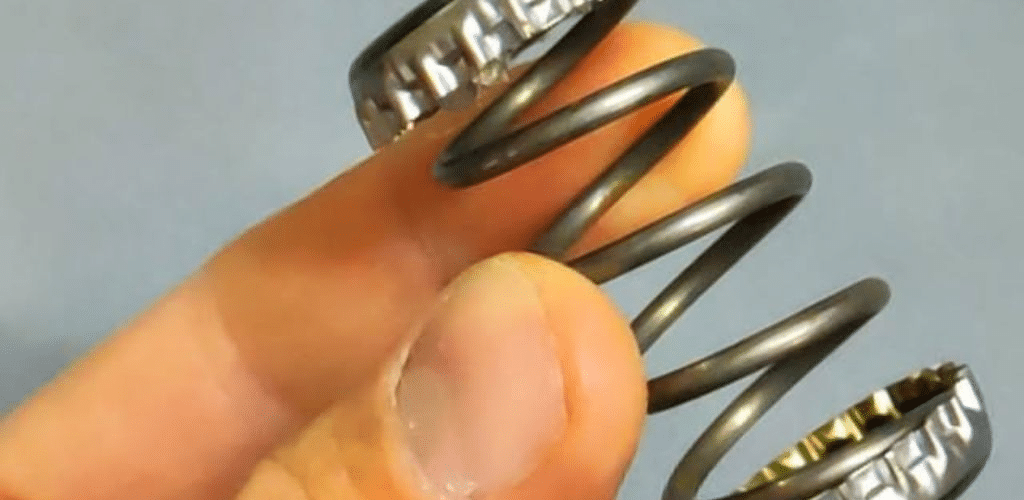
This homemade drain-cleaning attachment is made from a long, flexible spring and a strong piece of metal plate attached to the end. The opposite end of the spring is secured into the chuck of a drill. When the drill rotates, the spring spins and vibrates inside the pipe, helping loosen dirt, scale, hair, and other deposits.
The idea is simple but practical. A flexible spring can bend through pipe curves, while the metal tip works like a small rotating cutter. This makes it useful for reaching places where a straight rod cannot go.
However, this type of tool should be used carefully. Pipes, especially older plastic or fragile plumbing systems, can be damaged if too much force is applied.
Materials Used for the DIY Cleaning Spiral
To make a basic version of this homemade drain-cleaning tool, people often use materials that may already be available in a garage or workshop.
The main part is a long, flexible spring. A stainless steel spring is usually better because it is stronger and more resistant to corrosion. The spring should be flexible enough to move through bends in the pipe but stiff enough to push forward without folding too easily.
A stronger metal plate is attached to the end of the spring. This metal piece can be shaped like a small “V,” blade, or propeller-style tip. Its purpose is to scrape, cut, or break apart stubborn debris inside the pipe.
A drill is then used to rotate the spring. The second end of the spring is placed into the drill chuck and tightened securely. Once the drill is turned on slowly, the spring begins to rotate and creates vibration inside the pipeline.
How the Homemade Drain Tool Works
The tool works through three main actions: rotation, vibration, and scraping.
When the drill spins the spring, the spring rotates inside the pipe. Because the spring is flexible, it can move along the pipe walls and through curved sections. This rotation helps disturb deposits that have built up over time.
The vibration created by the spinning spring also helps loosen material stuck to the inside of the pipe. Mineral scale, grease, and compacted dirt can sometimes be shaken loose by this movement.
The metal plate at the end works like a small cutter. It can break apart hair clumps, soft blockages, food residue, and similar obstructions. In some cases, it may also help clear minor root intrusion, although serious root problems should be handled by a professional plumber.
Why People Consider It a Brilliant Idea
The biggest advantage of this homemade invention is cost. Professional drain-cleaning machines can be expensive, and calling a plumber may not always be affordable for small household blockages. A DIY tool made from old materials may cost very little or even nothing if the parts are already available.
Another advantage is immediate mechanical action. Liquid cleaners often require waiting 30 to 60 minutes, and they may still fail if the clog is too dense. A mechanical spring can start breaking up the blockage right away.
The tool is also flexible. Unlike a solid metal rod, a spring can bend through curves and corners in the plumbing system. This makes it more suitable for pipes with elbows or turns.
For homeowners interested in DIY repairs, this type of invention shows how basic materials can be repurposed into a practical home maintenance tool.
Homemade Spring Tool vs. Chemical Drain Cleaner
A homemade spring cleaner and a liquid drain cleaner work in very different ways.
Chemical cleaners are designed to dissolve organic material, grease, or soap residue. They may work well for small clogs near the drain opening. However, they are often less effective against thick hair clumps, rags, food waste, hard mineral deposits, or roots.
A spring-based drain tool works mechanically. It does not dissolve the clog. Instead, it cuts, scrapes, and breaks the blockage into smaller pieces so water can flow again.
From a personal finance perspective, this can be a budget-friendly option for minor home maintenance. It may reduce the need to buy multiple bottles of drain cleaner or rent expensive equipment. For homeowners managing household expenses, simple DIY solutions can sometimes help save money on repairs.
Still, saving money should not come at the cost of damaging the plumbing system. If the pipe is old, cracked, or made from thin plastic, aggressive mechanical cleaning can create bigger repair costs later.
Important Safety Warning
This homemade drain-cleaning tool should be used with caution. A spinning spring attached to a drill can be dangerous if it catches, bends suddenly, or comes loose. Gloves, eye protection, and careful handling are important.
The drill should be used at a slow speed. High speed can cause the spring to whip, twist, or damage the inside of the pipe. Never force the spring if it gets stuck. Forcing it may scratch plastic pipes, break pipe joints, or cause the tool to jam deeper inside the plumbing.
Chemical drain cleaners should not be used at the same time as mechanical tools. If chemicals are already inside the pipe, splashing or contact can cause burns or irritation. Always flush the area properly and follow product safety instructions.
This tool may be suitable for simple blockages, but serious plumbing issues should be inspected by a professional. If water backs up repeatedly, multiple drains are clogged, or there is a bad sewer smell, the problem may be deeper in the drainage system.
When to Call a Professional
A DIY cleaning spiral may help with common household clogs, but it is not a complete replacement for professional plumbing equipment. Professional drain machines are designed with safer controls, stronger cables, and specialized cutting heads.
You should call a plumber if the clog keeps returning, if the pipe is fully blocked, if there is flooding, or if roots are suspected in the main sewer line. Professional inspection may prevent expensive damage to the home.
For homeowners, renters, and real estate investors, proper plumbing maintenance is important. A small clog can turn into a costly repair if ignored. Preventive care can protect property value, reduce water damage risks, and help avoid emergency repair bills.
Final Thoughts
This homemade cleaning spiral attachment is a creative example of practical DIY problem-solving. With a flexible spring, a strong metal tip, and a drill, it can mechanically clean stubborn deposits that chemical cleaners may not remove.
Its biggest strengths are low cost, flexibility, and immediate action. However, it must be used carefully and responsibly. The goal is to clear the pipe, not damage it.
For light to moderate blockages, this kind of homemade drain-cleaning idea may be useful. For serious plumbing problems, professional help is still the safest choice.


