Theodore Kaczynski is remembered as one of the most notorious figures in modern American criminal history.
Known widely as the “Unabomber,” he was accused of carrying out a long and terrifying mail-bombing campaign that spanned nearly two decades. The attacks killed three people, injured more than 20 others, and left investigators searching for an elusive suspect who seemed to disappear completely after each incident.
But long before his arrest in 1996, people close to Kaczynski described troubling signs in his behavior.
According to previously released FBI interviews, court records, and statements from relatives, Kaczynski was not simply an isolated man who suddenly became violent. His family described a pattern of anger, resentment, emotional withdrawal, and hostility that appeared years before the world knew his name.
His story remains disturbing because it brings together extremes: brilliant intelligence, deep isolation, family conflict, mental health concerns, and eventual violence.
A brilliant child with growing emotional distance

Theodore Kaczynski was born in the Chicago area to Polish-American parents.
From an early age, he was recognized as exceptionally intelligent. His IQ was reportedly measured at a very high level, and he advanced quickly through school. He skipped grades, entered Harvard University at a young age, and later earned a doctorate in mathematics from the University of Michigan.
On paper, his future looked extraordinary.
He was gifted, disciplined, and academically successful. By his mid-20s, he had become an assistant professor of mathematics at the University of California, Berkeley — a remarkable achievement for someone so young.
But intelligence alone does not guarantee emotional stability, happiness, or healthy relationships.
According to accounts from family members, Kaczynski often seemed distant and withdrawn. His mother reportedly described moments when he appeared emotionally unreachable, as if he had separated himself from the people around him.
His younger brother, David Kaczynski, later told investigators that Theodore showed intense resentment and anger from an early age.
Those memories would eventually become part of the larger investigation that led authorities to him.
Family members described disturbing behavior
During the FBI investigation, relatives reportedly described Kaczynski as emotionally volatile and often cruel toward his family.
One incident described in investigative records involved Kaczynski allegedly pulling a chair out from under his mother while she was carrying a hot meal, causing her to fall as he laughed. Family members also recalled angry outbursts, isolation, and bitter comments that created tension at home.
According to records later discussed publicly, family conflicts were often left unresolved. Arguments and disturbing behavior were not always confronted directly, allowing resentment to deepen over time.
Kaczynski’s anger toward his parents reportedly appeared in letters as well.
Some writings reviewed by investigators allegedly contained hostile statements about his family, including disturbing remarks about his parents’ d*aths. These letters suggested not only ordinary family resentment, but a level of bitterness that deeply alarmed those who later examined them.
Still, family members also described another side of him.
At times, he could appear thoughtful, intellectual, and even affectionate. That contradiction made his story more complex. He was not seen only as a monster by those who knew him early in life. He was also a son, brother, student, and brilliant thinker whose personality became increasingly consumed by anger and alienation.
From university professor to isolated cabin dweller
After leaving Berkeley, Kaczynski gradually withdrew from mainstream society.
He eventually moved to a small cabin in rural Montana, where he lived without electricity or running water. The cabin became central to his identity as a recluse and later became a major focus of the investigation.
To outsiders, the move may have looked like a rejection of modern life.
To investigators, it later became part of a much darker picture.
Kaczynski spent years living in isolation, writing extensively about technology, society, authority, and his belief that industrial civilization was destroying human freedom. His writings grew increasingly extreme, and his correspondence reportedly became more hostile over time.
Isolation can intensify unhealthy thinking when there is no stable support system, no accountability, and no meaningful connection to others. In Kaczynski’s case, his retreat from society seemed to deepen his resentment rather than bring him peace.
His cabin was not simply a quiet escape.
It became the center of a life defined by alienation, anger, and eventually, criminal violence.
The Unabomber investigation
Authorities linked the “Unabomber” case to a series of bombings that targeted universities, airlines, and individuals connected to technology or modern industry.
The name “Unabomber” came from the FBI’s case label involving university and airline bombings. For years, investigators struggled to identify the person behind the attacks.
The case became one of the longest and most expensive investigations in FBI history.
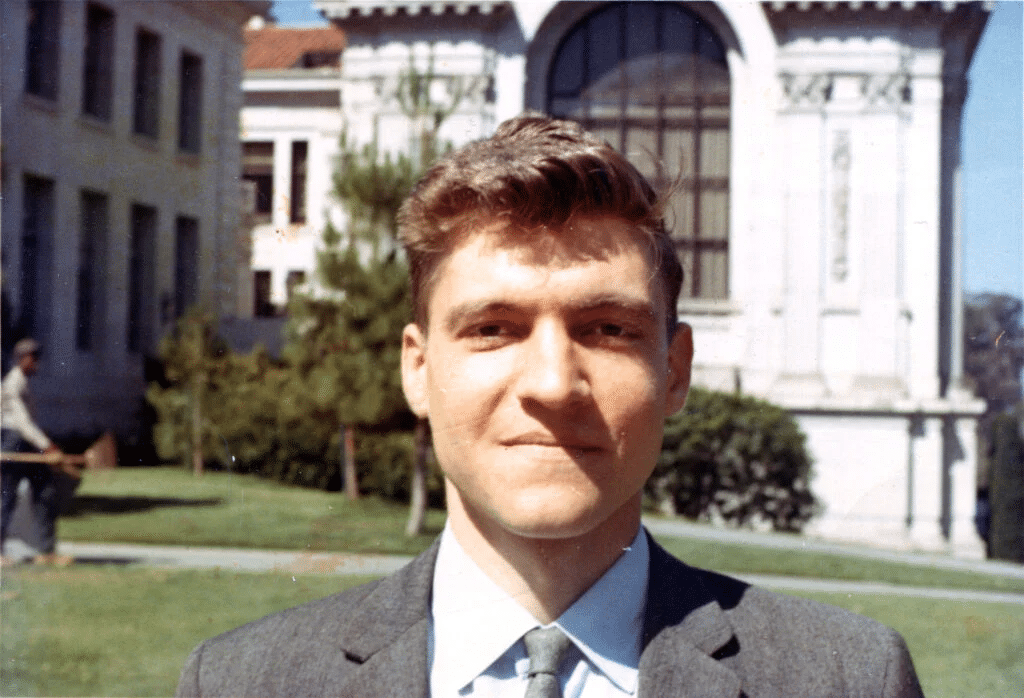
The turning point came when Kaczynski’s writings were made public. His brother David recognized similarities between the published manifesto and letters Theodore had written in the past. Though the decision was painful, David contacted authorities.
That choice helped lead investigators to Kaczynski’s remote Montana cabin.
In April 1996, federal agents arrested him, ending a nationwide manhunt that had lasted for years.
The arrest shocked the public.
The suspect was not a typical image of a criminal mastermind. He was a former mathematics professor living alone in a primitive cabin, surrounded by writings, tools, and evidence that would become central to the case.
Mental health and legal complications
After his arrest, Kaczynski’s mental health became a major issue in court proceedings.
Defense attorneys attempted to argue that he suffered from serious mental illness, including paranoid schizophrenia. Psychiatric evaluations and legal strategy became complicated because Kaczynski resisted efforts that would portray him as mentally ill.
He did not want his ideology dismissed as the product of illness.
This created tension between his defense team and his own wishes.
The case raised difficult questions about intelligence, responsibility, ideology, and mental health. It also forced the public to confront the fact that severe isolation and untreated psychological distress can become dangerous when combined with rigid beliefs and resentment.
However, mental illness alone does not explain or excuse violence.
Many people live with serious mental health conditions and never harm anyone. Kaczynski’s case remains disturbing because it involved a specific combination of ideology, personal grievance, social withdrawal, and deliberate criminal action.
Why his story still fascinates people
Theodore Kaczynski’s life continues to draw public interest because it is filled with unsettling contrasts.
He was brilliant, yet destructive.
Educated, yet deeply alienated.
Capable of complex thought, yet unable or unwilling to live peacefully among others.
He rejected modern society, but used violence to force his message into public attention.
His story is often discussed in true crime documentaries, criminal psychology studies, law enforcement training, and conversations about radicalization. People remain fascinated by how someone with such intellectual gifts could become involved in such destructive acts.
But fascination should not become admiration.
The victims and their families remain the most important part of the story. Three people lost their lives, and many others were injured or traumatized. The fear created by the bombing campaign spread far beyond the immediate victims.
Kaczynski’s intelligence does not erase the harm.
His isolation does not excuse it.
His writings do not outweigh the human cost.
A warning about isolation and resentment
Kaczynski’s story serves as a warning about what can happen when isolation, anger, and extreme beliefs grow unchecked.
Many people experience loneliness. Many people feel misunderstood. Many people struggle with family conflict, career disappointment, financial instability, or frustration with society. But most people do not turn that pain into violence.
The difference matters.
Healthy support systems, mental health care, community connection, and early intervention can help people move through anger without becoming consumed by it. Families, schools, and communities may not always know how to respond to disturbing behavior, but ignoring warning signs can allow problems to deepen.
This does not mean every isolated or angry person is dangerous.
It means serious patterns of hostility, threats, obsession, and withdrawal should be taken seriously.
Final thoughts
Theodore Kaczynski became one of the most infamous criminals in American history, not because of one moment, but because of a long path shaped by brilliance, isolation, resentment, ideology, and violence.
His life began with extraordinary academic promise. He had opportunities many people could only imagine. Yet over time, he withdrew from society, rejected ordinary human connection, and became associated with a bombing campaign that caused de*th, injury, and fear across the country.
The story is chilling because it shows how intelligence without empathy can become dangerous.
It also shows that unresolved anger can harden into something destructive when left unchecked.
Kaczynski’s name remains tied to one of America’s darkest criminal cases. But the most important lesson is not about his notoriety.
It is about the lives harmed, the warning signs ignored, and the devastating consequences when hatred becomes action.


