When people think about serious health concerns, they often focus on the heart, lungs, blood pressure, cholesterol, or blood sugar. But doctors say one part of the body is frequently overlooked, even though it can reveal early clues about hidden health problems: the feet.
Your feet are the farthest parts of the body from the heart, which means they can be among the first areas to show signs of poor circulation, nerve damage, diabetes-related complications, or cardiovascular concerns. Small changes in the toenails, skin, or sensation may seem harmless at first, but in some cases, they may point to problems developing quietly inside the body.
Not every foot issue is a warning sign of something serious. Many problems, such as dry skin or discolored nails, can have simple causes. However, doctors advise people to pay attention when symptoms persist, worsen, or appear together.
Two foot symptoms in particular may deserve closer attention.
Sign One: Thick, Yellow, or Brittle Toenails
Thick, yellow, or brittle toenails are often dismissed as a cosmetic concern. In many cases, the cause may be a common fungal infection. Toenail fungus can make nails appear yellowish, rough, hard, crumbly, or distorted over time.
However, persistent nail changes can sometimes be linked to broader health issues.
Healthy toenails need proper blood flow to receive oxygen and nutrients. When circulation is reduced, the tissues in the feet may not get what they need to stay healthy. Over time, this may affect nail growth, color, strength, and texture.
Toenails that become unusually thick, hard, fragile, or discolored may sometimes be associated with circulation problems. They may also appear in people with diabetes, especially when diabetes affects blood flow or nerve health in the feet.
These changes do not automatically mean someone has a serious illness. But they should not be ignored if they continue getting worse, affect multiple nails, or appear alongside other symptoms such as numbness, cold feet, pain while walking, or slow-healing sores.
Nail Changes to Watch For
Doctors suggest monitoring toenails for changes that seem unusual or persistent. These may include nails that become much thicker than normal, yellow or brown discoloration that does not improve, nails that crumble or split easily, or nails that begin separating from the nail bed.
Because toenail changes often develop slowly, many people get used to them and stop noticing how much they have changed. Regularly checking your feet can help you spot problems earlier.
This is especially important for people with diabetes, high blood pressure, high cholesterol, a history of smoking, or known circulation issues. In those cases, foot symptoms may provide valuable clues about overall vascular and metabolic health.
Sign Two: Redness, Dark Spots, or Skin Changes on the Feet
The second warning sign involves changes in the skin of the feet.
Skin can reveal a lot about circulation, nerve function, and healing ability. If blood flow to the feet is reduced, the skin may begin to change in color, texture, or temperature. If nerves are damaged, a person may not notice injuries right away, allowing small problems to become more serious.
Persistent redness is one symptom worth watching. While temporary redness can come from tight shoes, irritation, heat, or minor injury, redness that does not go away may deserve medical attention.
Dark spots, unusual discoloration, or patches of skin that suddenly appear should also be monitored. In some cases, these may reflect circulation changes or other skin-related concerns that need evaluation.
Dry, cracked skin is common, especially in cold weather or when the feet are not moisturized. But if cracking becomes severe, painful, or persistent despite proper care, it may be a sign that the skin is not getting enough support from healthy circulation.
Slow-Healing Sores Should Never Be Ignored
One of the most important foot symptoms to watch for is a wound or sore that heals slowly.
Healthy blood flow is essential for repairing damaged tissue. When circulation is poor, even a small cut, blister, or sore may take longer to heal. In people with diabetes or nerve damage, foot wounds can become especially serious because pain may be reduced, making injuries easier to overlook.
A sore that does not improve, becomes red or swollen, drains fluid, changes color, or grows larger should be checked by a healthcare professional.
Slow-healing wounds may be linked to peripheral artery disease, diabetes-related complications, infection, or other medical concerns. Early care can help prevent a minor issue from becoming a major health problem.
Conditions That May Be Linked to Foot Symptoms
Doctors often describe some illnesses as “silent” because they can develop gradually without obvious warning signs. Foot changes may sometimes be among the first noticeable clues.
Diabetes can affect both circulation and nerves. Over time, high blood sugar may damage blood vessels and nerves, increasing the risk of numbness, tingling, infections, nail changes, and slow-healing wounds.
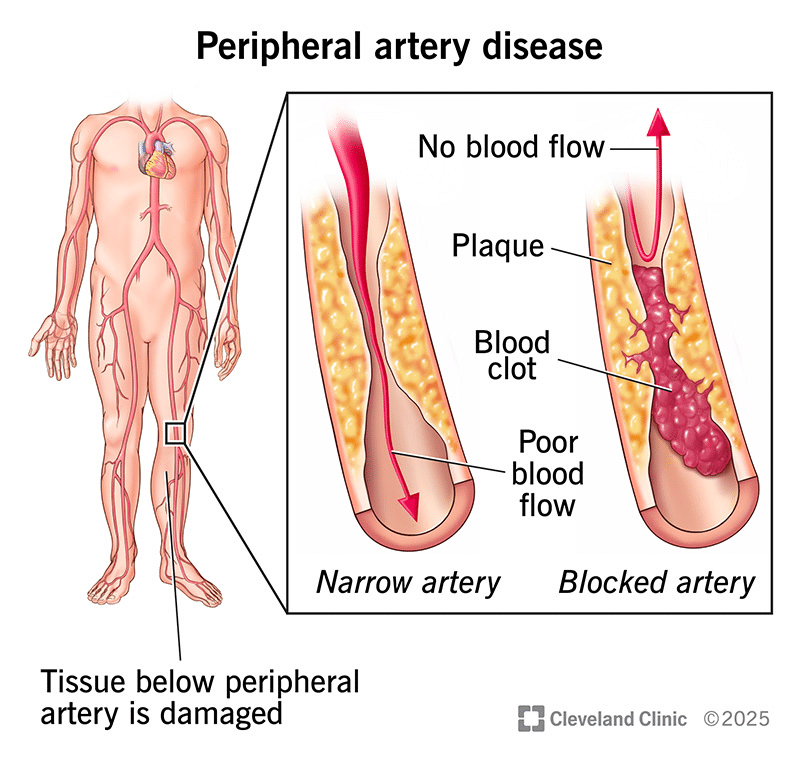
Peripheral artery disease, often called PAD, occurs when narrowed arteries reduce blood flow to the legs and feet. Symptoms may include cold feet, skin discoloration, leg pain while walking, weak pulses, slow-healing sores, or changes in nail and skin health.
Cardiovascular disease may also affect blood flow throughout the body. Since the feet are far from the heart, circulation-related symptoms may show up there early.
Again, foot symptoms alone do not confirm any diagnosis. But they can be important signs that should lead to a medical checkup, especially when risk factors are present.
Who Should Pay Extra Attention?
Some people should be especially careful about foot health.
People living with diabetes should inspect their feet regularly and report changes to a healthcare provider. Even small cuts, blisters, or nail problems can become more serious if circulation or nerve function is impaired.
Smokers and former smokers should also pay close attention, because smoking can damage blood vessels and increase the risk of circulation problems.
People with high blood pressure, high cholesterol, obesity, heart disease, or a sedentary lifestyle may also benefit from regular foot checks as part of a broader personal finance-style investment in long-term health and prevention. Just as people protect their savings, insurance coverage, and retirement planning, protecting health early can help avoid larger problems later.
What You Can Do at Home
Doctors recommend checking your feet regularly for changes in nail color, nail thickness, skin tone, temperature, sensation, and healing patterns.
Keep your feet clean and dry. Moisturize dry skin, but avoid putting lotion between the toes, where excess moisture may encourage fungal growth. Wear shoes that fit properly and avoid walking barefoot in places where cuts or injuries are more likely.
Also, do not ignore symptoms that persist. A nail issue, rash, sore, or skin change may be minor, but if it does not improve, it is worth asking a medical professional.
When to Seek Medical Advice
You should consider contacting a healthcare provider if you notice foot wounds that heal slowly, persistent redness, increasing pain, numbness, tingling, dark discoloration, swelling, unusual coldness, or toenail changes that continue to worsen.
This is especially important for anyone with diabetes, circulation problems, heart disease, or a history of smoking.
Early medical attention can make a major difference. Many health problems are easier to manage when caught sooner rather than later.
The Bottom Line
Your feet may seem like a small part of your overall health, but they can reveal important warning signs. Thick, yellow, or brittle toenails and unusual skin changes may sometimes point to circulation problems, nerve damage, diabetes-related complications, or cardiovascular concerns.
Most foot symptoms are not emergencies, and many have simple explanations. Still, persistent changes should not be dismissed.
Paying attention to your feet may help you catch silent health problems earlier — and that small habit could protect your long-term well-being.


