Some songs become famous because they dominate the radio for a few months. Others become important because they mark a turning point in music history. “Poor Little Fool” by Ricky Nelson belongs in that second category.
Released in 1958, the song became a milestone when it reached number one on the very first Billboard Hot 100 chart. That achievement alone gives it a special place in American music history. But beyond the statistics, “Poor Little Fool” captured the sound, emotion, and youthful heartbreak of its time.
At just the right moment, Ricky Nelson blended early rock and roll, soft rockabilly, and polished pop into a style that felt fresh, emotional, and accessible. The result was a song that teenagers loved, parents could tolerate, and radio stations could not ignore.
Today, many casual listeners may not remember it immediately. But for those who know early rock and roll, “Poor Little Fool” remains a beautiful reminder of an era when simple melodies, clean guitar lines, and heartfelt lyrics could leave a lasting mark.
Ricky Nelson Was More Than a Television Star
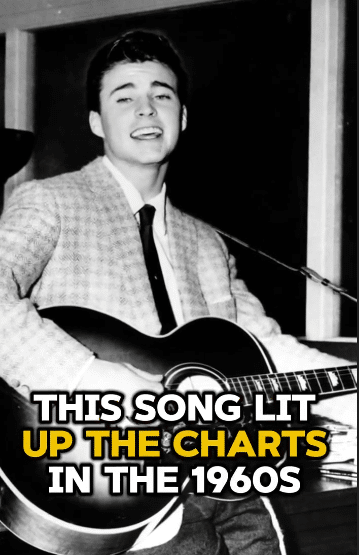
Ricky Nelson’s rise to fame was unusual. Unlike many rock and roll artists of the 1950s who came up through clubs, regional radio, or local music scenes, Nelson was already known to millions through television.
Born into a show-business family, he grew up in the public eye as part of The Adventures of Ozzie and Harriet, the popular television series starring his parents, Ozzie and Harriet Nelson. Because audiences watched him grow up on screen, many first saw him as a young TV personality rather than a serious musician.
But Ricky had genuine musical ambition.
He was influenced by artists such as Elvis Presley, Carl Perkins, and other early rock and roll pioneers. Still, Nelson did not simply copy them. His style was smoother, cleaner, and more restrained. He brought rock and roll closer to mainstream pop without removing its youthful emotion.
That balance became his strength.
He was not as wild as Little Richard or as provocative as Elvis, but he had a quiet charm that made him one of the most successful teen idols of his era.
The Story Behind “Poor Little Fool”
The song was written by Sharon Sheeley, a young songwriter who drew from her own heartbreak. She originally imagined the song as a slower ballad, but once it reached Ricky Nelson, it took on a new life.
Nelson recognized the song’s potential and reshaped it into something more radio-friendly. By giving it a livelier tempo and a polished rockabilly feel, he helped transform a personal heartbreak story into a hit that could connect with millions of young listeners.
The lyrics tell a familiar story: someone falls for the wrong person, believes in love too quickly, and ends up hurt. It is simple, but that is exactly why it worked.
Teenagers understood it. Anyone who had ever felt fooled by love understood it. The song did not need complicated poetry to make its point. It captured the embarrassment, sadness, and innocence of youthful heartbreak in a way that felt honest.
A Smooth Sound With Rockabilly Roots
The recording of “Poor Little Fool” featured Nelson’s trusted musicians, including guitarist James Burton, whose playing became a key part of Nelson’s sound.
Burton’s guitar work gave the song a crisp, elegant edge. His twangy lead lines added just enough rockabilly flavor without overpowering Nelson’s smooth vocal delivery. The rhythm section kept the song moving, while the arrangement remained clean and easy to follow.
Ricky’s voice was the centerpiece.
He did not oversing. He did not turn the song into melodrama. Instead, he delivered it with calm emotion, making the heartbreak feel believable without becoming heavy. That understated style helped separate him from many other young singers of the period.
His performance was soft but confident, sentimental but controlled. That balance made “Poor Little Fool” perfect for radio.
The First Number One on the Billboard Hot 100
When “Poor Little Fool” climbed to number one on the newly launched Billboard Hot 100, it became part of music history.
The Billboard Hot 100 was designed to measure the most popular songs in the United States by combining radio airplay, sales, and jukebox activity. Being the first song to top that chart gave Ricky Nelson a permanent place in the story of American pop music.
But the song’s success was not only a technical achievement. It reflected a cultural shift.
Young listeners were becoming one of the most powerful forces in music. Teenagers wanted songs that spoke to their emotions, their relationships, and their world. “Poor Little Fool” gave them exactly that.
It was emotional enough to feel personal, catchy enough to become a hit, and polished enough to fit comfortably into mainstream homes.
A Gentler Form of Rock and Roll Rebellion
In the 1950s, rock and roll was often viewed with suspicion by older generations. Some performers were considered too loud, too wild, or too rebellious. Ricky Nelson offered a different version of youth culture.
He was clean-cut, familiar, and television-friendly, but his music still carried the feeling of teenage independence.
That made him an important bridge between early rock and mainstream pop. He softened the rough edges without losing the emotional appeal. Parents might not have fully understood rock and roll, but they could accept Ricky Nelson. Teenagers, meanwhile, still saw him as one of their own.
“Poor Little Fool” perfectly represented that middle ground.
It was not aggressive, but it was youthful. It was not dangerous, but it was emotionally real. It gave young listeners a voice without frightening the adults around them.
The Song’s Influence on Pop-Rock Heartbreak Ballads
“Poor Little Fool” helped shape the style of teenage heartbreak songs that would become common in pop and rock music. Its story of romantic disappointment was easy to understand and easy to remember.
Artists such as The Everly Brothers, Roy Orbison, and many others would continue exploring similar emotional themes in the years that followed. Love, loss, regret, and longing became central subjects in pop-rock songwriting.
Ricky Nelson showed that a simple heartbreak story could become a major hit when paired with the right melody and performance.
The song also helped prove that teen idols could make meaningful records. Nelson was often judged through the lens of his television fame, but “Poor Little Fool” helped establish him as a legitimate musical figure.
Ricky Nelson’s Career Continued to Grow

After “Poor Little Fool,” Ricky Nelson continued to release successful songs, including classics such as “Lonesome Town” and “Travelin’ Man.” These tracks further proved his ability to blend pop appeal with emotional sincerity.
He remained active through changing musical trends, moving between rockabilly, pop, country, and later more mature styles. His adaptability helped him maintain a long career, even as the music industry changed dramatically in the 1960s and beyond.
That flexibility is one reason his legacy still matters.
Nelson was not just a teenage star who faded after one hit. He was an artist who helped shape the early sound of pop-rock and continued searching for new ways to express himself.
Why “Poor Little Fool” Still Deserves Attention
Today, “Poor Little Fool” may not be remembered as widely as some other classics from the 1950s and 1960s. But its importance is undeniable.
It was the first number one song on the Billboard Hot 100. It helped confirm Ricky Nelson’s credibility as a musician. It captured the emotional world of young listeners at a time when youth culture was reshaping music. And it remains a beautifully crafted example of early pop-rock songwriting.
The song’s charm lies in its simplicity.
There are no dramatic production tricks. No long instrumental breaks. No complicated lyrics. Just a clean arrangement, a memorable melody, a gentle rockabilly touch, and a sincere vocal performance.
That is why it still works.
A Classic Worth Remembering
“Poor Little Fool” is more than a forgotten old hit. It is a piece of music history.
It represents a time when rock and roll was still young, when teenagers were becoming a powerful cultural audience, and when a television star could prove himself as a serious recording artist through the strength of one unforgettable song.
Ricky Nelson’s performance gave the track its lasting tenderness. He turned a simple heartbreak story into a record that helped define an era.
Today, only dedicated fans may remember every detail of its magic. But once the song begins, its charm is easy to understand.
It is sweet, nostalgic, honest, and timeless — the kind of classic that deserves to be heard again.


