When Marvin Gaye first brought “What’s Going On” to Motown, the label was unsure what to do with it. At the time, Gaye was known as one of the smoothest voices in soul music, famous for romantic hits, polished performances, and the elegant sound that helped define Motown’s golden era.
But this song was different.
It was not a simple love ballad. It was not made for dancing. It did not follow the safe formula that record labels often preferred. Instead, “What’s Going On” asked painful questions about war, violence, injustice, grief, and the emotional state of a divided nation.
Motown executives worried the song was too political and too risky for radio. They feared it could damage Marvin Gaye’s image and confuse fans who expected something lighter from him.
But Marvin believed in the song.
He stood his ground and refused to move forward until it was released. That decision became one of the most important moments in soul music history.
Marvin Gaye Was Searching for a Deeper Voice
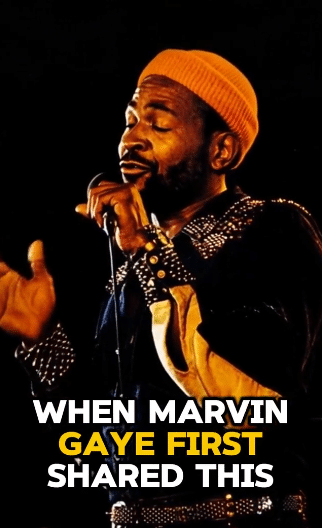
Before “What’s Going On,” Marvin Gaye had already built a remarkable career. Born in Washington, D.C., he grew up singing in church and later became one of Motown’s most celebrated artists. His voice was smooth, emotional, and instantly recognizable.
During the 1960s, he became known for songs such as “How Sweet It Is (To Be Loved by You)” and his beloved duets with Tammi Terrell. Those recordings showed his romantic warmth and vocal elegance. To many listeners, Marvin Gaye represented charm, tenderness, and classic Motown sophistication.
But behind the success, he was struggling.
The world around him was changing rapidly. The late 1960s brought the Vietnam War, political unrest, racial tension, protests, and devastating assassinations. Gaye was deeply affected by what he saw happening in America. He also carried personal grief, especially after the death of Tammi Terrell, whose passing left him emotionally shaken.
He no longer wanted to sing only about romance.
He wanted his music to say something that mattered.
The Inspiration Behind “What’s Going On”
The original idea for “What’s Going On” came from Renaldo “Obie” Benson of The Four Tops. Benson had witnessed a police confrontation with anti-war protesters in Berkeley, California, and the experience disturbed him. He began thinking about the confusion, anger, and pain he had seen in the streets.
Benson brought the idea to Marvin Gaye, who immediately connected with it.
But Marvin did not treat the song as a simple protest record. He reshaped it into something more emotional and spiritual. He gave it warmth, compassion, and a sense of pleading rather than anger.
That is one reason the song became so powerful.
“What’s Going On” does not shout at the listener. It asks. It mourns. It wonders how people can continue hurting one another when love and understanding are so desperately needed.
The song feels like a conversation between a man and the world around him. It is political, but it is also deeply human.
A Sound Unlike Anything Motown Had Released
The recording of “What’s Going On” was just as groundbreaking as its message.
Marvin Gaye took more creative control than artists were typically allowed at Motown. He helped shape the production and created a sound that blended soul, jazz, gospel, classical textures, and street-level atmosphere.
The song opens with one of the most memorable saxophone introductions in popular music. It feels loose, emotional, and almost accidental, as if the listener has walked into a private moment already in motion.
Then Marvin’s voice enters — layered, warm, and haunting.
Rather than singing in a straightforward lead vocal style, Gaye layered his own voice to create a conversational effect. It sounds like multiple parts of his spirit are speaking at once. The result feels intimate and communal at the same time, as though one man’s pain has become the voice of many.
The musicians created a rich and flowing arrangement. The bass line, percussion, strings, horns, and background voices all move together with unusual grace. Nothing feels forced. Everything supports the question at the center of the song.
What is going on?
Berry Gordy Initially Said No
Motown founder Berry Gordy reportedly did not want to release the song at first. From a business perspective, he had concerns. Motown had built its success on carefully crafted hits that appealed to wide audiences. A socially conscious song about war, suffering, and unrest seemed risky.
But Marvin Gaye refused to back down.
He believed the song needed to be heard. He was no longer satisfied with making music that avoided the pain of the real world. If people were crying, protesting, grieving, and searching for answers, then music had to reflect that truth.
In a bold move, Marvin refused to record anything else until Motown released the single.
Eventually, the label gave in.
When “What’s Going On” was released in early 1971, the reaction proved Marvin right.
A Hit That Became Bigger Than the Charts
The song quickly became a major success. It reached high positions on both the pop and R&B charts and sold rapidly after release. But its real achievement was much greater than commercial performance.
“What’s Going On” changed what soul music could be.
It proved that a popular song could be beautiful, radio-friendly, emotionally rich, and socially conscious all at once. It showed that listeners were ready for music that addressed real issues without losing melody, tenderness, or artistry.
The song spoke to soldiers returning from Vietnam. It spoke to families grieving loss. It spoke to communities facing violence and inequality. It spoke to anyone who looked at the world and wondered how people had become so divided.
Marvin did not offer easy answers.
Instead, he created space for the question.
That is what made the song timeless.
The Album That Followed Became a Landmark
The success of the single opened the door for Marvin Gaye to create the full What’s Going On album, released later in 1971. The album became one of the most respected works in American music history.
It was not just a collection of songs. It was a concept album with a unified emotional and social vision. It addressed war, poverty, environmental concerns, addiction, faith, and the search for peace.
For Marvin, it marked a turning point. He was no longer simply a Motown hitmaker. He had become a fully independent artistic voice — a singer, songwriter, producer, and social observer.
That creative shift influenced countless artists who followed.
A Song That Opened Doors for Conscious Soul
“What’s Going On” helped reshape soul music. It showed that Black popular music could speak directly to political and social realities while remaining deeply musical and emotionally accessible.
Artists such as Stevie Wonder, Curtis Mayfield, and many others helped expand this movement, creating music that blended message and melody. Later generations, including artists in R&B, hip-hop, neo-soul, and conscious rap, would draw inspiration from the path Marvin helped clear.
The song’s influence can be heard in artists who use music to question society, express pain, and call for change. Its legacy reaches far beyond one genre.
It is part of the foundation for socially aware popular music.
Why “What’s Going On” Still Matters
More than five decades after its release, “What’s Going On” still feels painfully relevant. Its questions have not disappeared. War, injustice, violence, division, and grief remain part of the human experience.
That is why the song continues to return during moments of national crisis, protest, and reflection.
Its power lies in its compassion. Marvin Gaye did not sing from a place of hatred. He sang from concern. He asked people to look at one another with more love, more understanding, and more humanity.
That message never expires.
The song also reminds us that music can be more than entertainment. It can be a mirror. It can be a prayer. It can be a public conversation. It can help people process pain that feels too large to carry alone.
Marvin Gaye’s Courage Created a Masterpiece
If Marvin Gaye had listened to fear, “What’s Going On” might have stayed unreleased. It might have remained an idea the label considered too risky. But Marvin trusted the truth of the song.
He understood that sometimes the most important art is the art people are afraid to release.
By standing firm, he gave the world one of the greatest songs of the 20th century. He also changed the direction of his own career, gaining creative freedom and proving that soul music could carry the weight of history, grief, and hope.
“What’s Going On” is more than a protest song. It is a plea for compassion. It is a spiritual conversation. It is a reminder that asking difficult questions can be an act of love.
And all these years later, Marvin Gaye’s voice still asks the question with the same grace and urgency:
What’s going on?