Walking through an old cemetery can feel like stepping into another time. Weathered headstones, faded names, leaning crosses, and carved dates all tell quiet stories about people who lived generations before us.
But sometimes, one grave stands out from all the rest.
In some historic cemeteries, visitors may notice a grave covered by a heavy iron structure. At first glance, it can look strange, almost like a metal cage placed over the burial site. For many people, the first question is simple: why would anyone cover a grave like that?
It may seem mysterious, decorative, or even unsettling. But the answer is rooted in a very real part of history.
These unusual iron structures are known as mortsafes, and they were once used to protect newly buried graves.
What Is a Mortsafe?
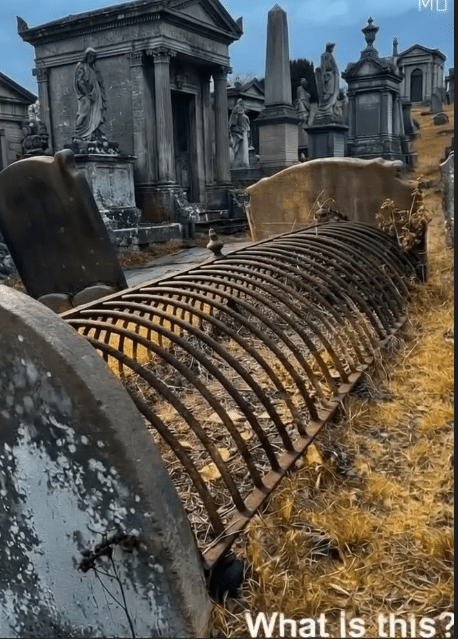
A mortsafe was a protective iron frame or cage placed over a grave after burial. These structures were usually made from heavy metal bars, reinforced grates, and strong locking systems. Their purpose was not decoration. They were built for security.
Mortsafes were commonly used in parts of Europe during the 18th and 19th centuries, especially in areas where families and communities feared that graves might be disturbed after a funeral.
Unlike modern grave markers, many mortsafes were not intended to stay permanently in place. In many communities, they were temporary. A mortsafe would be placed over a newly buried grave for several weeks, then removed and reused for another burial.
The goal was simple: protect the grave during the period when it was considered most vulnerable.
Today, surviving mortsafes are rare historical artifacts. To modern eyes, they may look unusual or even eerie, but in their time, they offered families peace of mind.
Why Were Graves Protected With Iron?
To understand why mortsafes existed, it helps to look at the medical and social conditions of the late 1700s and early 1800s.
During that time, medical education was expanding. Universities and medical schools increasingly required students to study human anatomy. Doctors needed hands-on training to understand the human body, perform surgery, and improve medical care.
However, there was a serious problem: there were not enough legally available bodies for anatomical study.
Because demand was high and legal access was limited, fear spread among communities that newly buried bodies could be taken from graves and sold for medical use. This was one reason families became deeply concerned about protecting burial sites.
For grieving relatives, the thought of a loved one’s grave being disturbed was horrifying. Burial was not only a personal matter but also a religious, cultural, and emotional one. Families wanted to preserve dignity and peace after d*ath.
Mortsafes became one practical answer to that fear.
A Community Solution to a Public Concern
Mortsafes were often created and managed by communities, churches, or local organizations. In some places, families could rent a mortsafe after a funeral. The structure would be placed over the grave, secured, and left there until enough time had passed.
After several weeks, the mortsafe could be removed and used again for another burial.
This system made sense financially and practically. Heavy iron structures were expensive, so not every family could afford to own one. Renting allowed more people to protect graves without needing to buy a permanent device.
In a way, mortsafes were an early example of community risk management. Just as modern families might invest in insurance, home security, estate planning, or other protective measures, families of the past relied on the tools available to them to protect what mattered most.
For them, a mortsafe represented respect, security, and peace of mind.
What Did Mortsafes Look Like?
Mortsafes varied in design depending on the region and the person or organization that made them. Some looked like large iron cages placed directly over the grave. Others were flat grates or heavy frameworks that covered the burial area.
Most had similar features: thick iron bars, strong metal plates, reinforced corners, and locking mechanisms. They were made to be difficult to move without proper tools or authority.
Because they were built for function rather than beauty, many mortsafes look severe or intimidating. Still, some surviving examples show impressive craftsmanship. Even after more than a century, the construction of these structures reveals how seriously communities took grave protection.
Some were simple and practical. Others were carefully shaped and built with a level of detail that makes them valuable historical objects today.
Other Ways Cemeteries Were Protected
Mortsafes were not the only protective measure used during this period. Many communities took cemetery security very seriously.
Some cemeteries had watchmen who patrolled burial grounds at night. Others used locked gates, guard houses, watchtowers, or community volunteers to keep an eye on newly dug graves. In certain areas, family members or neighbors might take turns watching a cemetery after a funeral.
These practices may sound unusual today, but they reflected the deep anxiety of the time.
People wanted assurance that their loved ones would rest undisturbed. The mortsafe was just one part of a larger response to a widespread concern.
The Link Between Mortsafes and Medical History
The history of mortsafes also reveals an important chapter in the development of modern medicine.
As medical schools grew, society had to confront difficult questions about ethics, consent, scientific education, and respect for the de*d. The need for anatomical study was real, but so were public concerns about how bodies were obtained.
Over time, governments introduced clearer laws and regulations around medical research and anatomical education. These reforms helped create more ethical systems and reduced the demand for illegal or questionable practices.
As legal standards improved, the need for grave protection devices like mortsafes began to decline.
This makes mortsafes more than cemetery curiosities. They are physical reminders of a time when medicine, law, religion, and public trust were all changing.
Why Mortsafes Disappeared
By the late 19th century, mortsafes were becoming much less common.
Several changes contributed to their disappearance. Laws surrounding medical study improved. Medical institutions developed more regulated ways to obtain bodies for research and education. Cemetery security also became more organized, and public fear gradually decreased.
As the original need faded, many mortsafes were removed. Some were melted down, repurposed, or lost over time. Others remained in place and became part of the cemetery landscape.
Today, the few that survive are often preserved as historical artifacts. They may look strange to visitors who do not know their purpose, but they carry an important story.
Why These Grave Covers Matter Today
Seeing a mortsafe in a cemetery can be surprising, especially if you have never heard of one before. It may look like something from a mystery story, but its history is practical and deeply human.
Mortsafes tell us about the fears, values, and responsibilities of past communities. They show how families tried to protect loved ones during a period of social change. They also reveal how medical progress sometimes created ethical challenges that society had to solve.
For historians and cemetery preservation groups, these iron structures are valuable educational resources. They help connect modern visitors with the realities of earlier generations.
What first appears to be a strange metal cover over a grave is actually a reminder of how people once balanced grief, science, law, and community protection.
The Truth Behind the Strange Grave Cover
So, if you see an old grave covered by a heavy iron structure, it is most likely a mortsafe.
It was not placed there as a decoration. It was not meant to be frightening. It was a protective device used during a time when families feared graves could be disturbed after burial.
Today, mortsafes stand as rare reminders of a unique historical period. They show how far medical ethics, cemetery practices, and legal protections have evolved.
Most of all, they remind us that even the strangest-looking objects in old cemeteries often have meaningful stories behind them.
A mortsafe may look mysterious at first, but its purpose was simple: to protect the dignity and peace of the d*ad.


