Bread is one of the most common items in many kitchens. It is perfect for breakfast toast, quick sandwiches, burger nights, lunchboxes, snacks, and simple meals when there is no time to cook. Yet bread can also be frustrating. One day the loaf is fresh and soft, and the next day it feels dry, stale, or close to spoiling.
That is why many households rely on a simple kitchen habit: freezing bread.
Freezing bread is one of the easiest ways to make it last longer. Whether you buy sandwich bread, hamburger buns, bagels, English muffins, dinner rolls, croissants, or homemade loaves, the freezer can help preserve freshness and prevent unnecessary food waste.
For families trying to manage grocery bills, freezing bread can also be a smart personal finance habit. Food prices can add up quickly, and throwing away stale bread is like throwing away money. When you freeze bread properly, you can buy during sales, stock up in bulk, and avoid last-minute trips to the store.
But there is a right way and a wrong way to do it.
Many people simply toss the entire loaf into the freezer in its original bag and hope for the best. Sometimes that works for a short time, but it can also lead to dry slices, ice crystals, freezer burn, and bread that tastes flat once thawed.
The good news is that bread freezes very well when it is stored correctly.
What Happens to Bread in the Freezer?
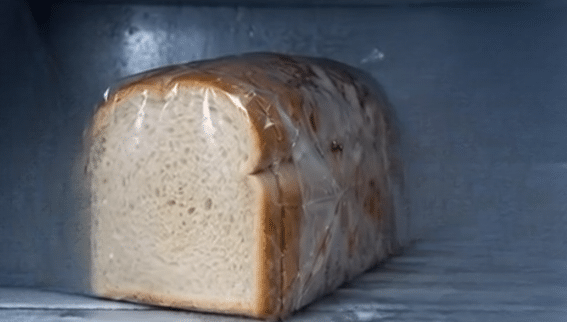
When bread goes into the freezer, the cold temperature slows down the process that makes bread go stale. Fresh bread loses quality over time because moisture moves inside the loaf and the starches begin to firm up. This is why bread left on the counter can become dry or tough after a few days.
Freezing slows that process dramatically.
Instead of letting the loaf continue to age on the counter, the freezer helps preserve the texture and flavor at the point when it was frozen. That is why timing matters. Bread should be frozen while it is still fresh, not after it has already become stale.
Freezing does not magically restore freshness. If you freeze dry bread, you will thaw dry bread later. But if you freeze soft, fresh bread, it can come out tasting surprisingly close to the day you bought it.
This makes the freezer one of the most useful tools for kitchen budgeting, meal planning, and reducing waste.
Why Freezing Bread Makes Sense
Freezing bread is practical for almost every household. It helps busy families keep food available without constantly shopping. It helps people who live alone avoid wasting half a loaf. It helps anyone who likes to buy groceries in bulk or take advantage of discounts.
There are several reasons freezing bread is worth doing.
It can save money because you can buy extra loaves when they are on sale. It can reduce food waste because unused slices do not have to be thrown away. It can make meal preparation easier because bread is always available for quick meals. It can also help you keep backup supplies on hand for busy mornings, school lunches, or unexpected guests.
For people who track household expenses carefully, this small habit can support better grocery management. Like comparing insurance plans, managing a bank account, refinancing loans, or planning a real estate budget, saving money often comes down to simple daily choices. Freezing bread is one of those small choices that can quietly make a difference over time.
The Biggest Mistakes People Make When Freezing Bread
Although freezing bread is simple, a few common mistakes can ruin the results.
The first mistake is leaving too much air in the bag. Air exposure is one of the main reasons frozen bread becomes dry or develops freezer burn. If the bag is loose, damaged, or not sealed well, moisture can escape and ice crystals may form.
The second mistake is freezing bread too late. Once bread has already gone stale, freezing it will not bring back the soft texture. The best time to freeze bread is when it still tastes fresh.
The third mistake is freezing an entire loaf without separating the slices. This can turn the loaf into one solid frozen block. Later, you may be forced to thaw more bread than you need, which can lead to more waste.
The fourth mistake is using poor packaging. Thin bread bags are not always enough for long-term freezer storage. If you plan to keep bread frozen for more than a short period, stronger freezer-safe packaging is a better choice.
Avoiding these mistakes can make a big difference in taste and texture.
Start With Fresh Bread
The best frozen bread starts with fresh bread.
As soon as you know you will not finish a loaf within a few days, prepare it for the freezer. Do not wait until it is already dry or close to molding. The fresher the bread is when it goes in, the better it will taste when it comes out.
If you buy several loaves during a grocery sale, freeze the extras immediately after bringing them home. This helps lock in quality while the bread is still soft.
This is especially helpful for sandwich bread, buns, bagels, and homemade loaves. Homemade bread often contains fewer preservatives, so freezing it early can help extend its usefulness without sacrificing too much quality.
The Best Method: Freeze Slices Separately First
One of the easiest ways to freeze bread properly is to pre-freeze individual slices before storing them together.
Start by slicing the bread if it is not already sliced. Try to make the pieces even so they thaw at the same speed.
Next, line a baking sheet with parchment paper and place the slices in a single layer. Do not stack or overlap them. Put the tray into the freezer for one to two hours, or until the slices are firm.
Once the slices are frozen, transfer them into a freezer-safe bag. Press out as much air as possible before sealing. If you have a vacuum sealer, that can provide even better protection.
This method prevents slices from sticking together. Later, you can take out only what you need — one slice for toast, two for a sandwich, or several for a family breakfast.
That convenience is one of the biggest advantages of freezing bread the right way.
Add Extra Protection for Longer Storage
For short-term freezing, a good freezer-safe bag may be enough. But if you plan to keep bread frozen for several weeks or months, extra protection helps preserve quality.
You can double-bag the bread, wrap the sealed bag in aluminum foil, use airtight freezer containers, or vacuum-seal portions. The goal is to reduce air exposure and protect the bread from temperature changes.
Freezers are opened and closed often, and those temperature shifts can affect food quality. Strong packaging helps prevent freezer burn and keeps bread tasting better for longer.
It is also smart to label the bag with the freezing date. This helps you use older bread first and avoid forgotten items buried in the back of the freezer.
How Long Can Bread Stay Frozen?
Most bread keeps its best quality in the freezer for about one to three months when packaged well. It may remain safe longer if continuously frozen, but the flavor and texture can slowly decline.
Sandwich bread usually tastes best within one to three months. Rolls and buns also do well for one to three months. Bagels can often keep good texture for two to three months. Homemade bread is usually best within one to two months because it may dry out faster than commercial bread.
The key is not just how long bread stays frozen, but how well it is protected. Bread stored loosely in a thin bag may lose quality quickly, while bread sealed tightly with minimal air exposure can stay much fresher.
The Best Ways to Thaw Frozen Bread
Frozen bread is convenient because it thaws quickly.
Individual slices can usually thaw at room temperature in about 15 to 30 minutes. Simply place them on a plate or clean surface until they soften.
For toast, you do not always need to thaw the bread first. Many people place frozen slices directly into the toaster. This is fast, easy, and often gives the bread a nice texture.
For rolls, buns, or larger pieces, the oven can help restore softness. Warm them at a low temperature for a few minutes until they are heated through. Be careful not to overheat them, or they may dry out.
Microwaving can work in a pinch, but it should be done carefully. Too much time in the microwave can make bread chewy or tough.
Which Baked Goods Freeze Well?
Many types of bread and baked goods freeze beautifully.
Sandwich bread, hamburger buns, hot dog buns, bagels, English muffins, dinner rolls, homemade loaves, muffins, croissants, and flatbreads can all be frozen successfully.
This makes freezing especially useful for meal planning. You can keep buns ready for burger night, English muffins for breakfast, rolls for dinner, and sandwich bread for school or work lunches.
With a little organization, the freezer becomes a backup pantry that helps your household stay prepared.
The Simple Habit That Makes Every Loaf Last Longer
Freezing bread properly is not complicated, but it can make a major difference in your kitchen. Instead of wasting stale slices or rushing to the store because you ran out, you can keep fresh-tasting bread ready whenever you need it.
The most important steps are simple: freeze bread while it is fresh, separate slices before long-term storage, remove excess air, use freezer-safe packaging, and thaw only what you need.
This small habit can save money, reduce waste, and make everyday meals easier. Whether you are feeding a busy family, shopping grocery deals, or simply trying to stretch your food budget, freezing bread the right way is a practical strategy that pays off.
Bread may seem basic, but when stored properly, every loaf can last longer — and every slice can be ready exactly when hunger strikes.


