Released in 1963, Lesley Gore’s “It’s My Party” became one of the most unforgettable pop songs of the early 1960s. At just 17 years old, Gore delivered a performance filled with heartbreak, confidence, and emotional clarity far beyond her age.
The song tells a simple but powerful story: a girl’s birthday party falls apart when her boyfriend, Johnny, leaves with another girl named Judy. In only two minutes and forty-two seconds, the song captures embarrassment, sadness, betrayal, and teenage pride.
That emotional honesty is why the song connected so quickly with listeners.
A Teenage Voice That Felt Real

Lesley Gore was still a high school student when she recorded “It’s My Party.” Born Lesley Sue Goldstein in Brooklyn and raised in New Jersey, she had a voice that sounded polished but still deeply youthful.
That balance made her special.
She did not sound like she was pretending to be heartbroken. She sounded like someone living through it in real time. Her delivery was vulnerable, but never weak. She gave teenage emotions a kind of dignity that pop music did not always allow young girls to have.
Quincy Jones and the Making of a Hit
The song was produced by Quincy Jones, who helped shape its bright, dramatic sound. With its catchy melody, strong rhythm, and girl-group style backing vocals, the track had everything needed to become a radio favorite.
The story behind the release also added to its legend. When Jones learned that another version of the song might be recorded, he moved quickly to release Gore’s version first.
That decision changed everything.
“It’s My Party” climbed the charts and reached number one on the Billboard Hot 100, turning Lesley Gore into a star almost overnight.
Why the Song Still Works
The reason “It’s My Party” still feels powerful is because the emotion is universal. Almost everyone understands the pain of being embarrassed, rejected, or hurt in front of others.
The famous line about crying at her own party became more than a lyric. It became a cultural phrase people still recognize decades later.
The song is short, but it wastes no time. Every line pushes the story forward. Every note adds emotion. That is why it still gets stuck in your head after one listen.
More Than Just a Teen Pop Song
After “It’s My Party,” Lesley Gore continued to release memorable songs, including “Judy’s Turn to Cry” and the powerful independence anthem “You Don’t Own Me.”
Together, these songs helped show that young women in pop music could express heartbreak, anger, strength, and self-respect.
Gore’s music helped open the door for more honest female voices in pop, from singer-songwriters to later generations of performers who blended emotion with confidence.
A Lasting Legacy
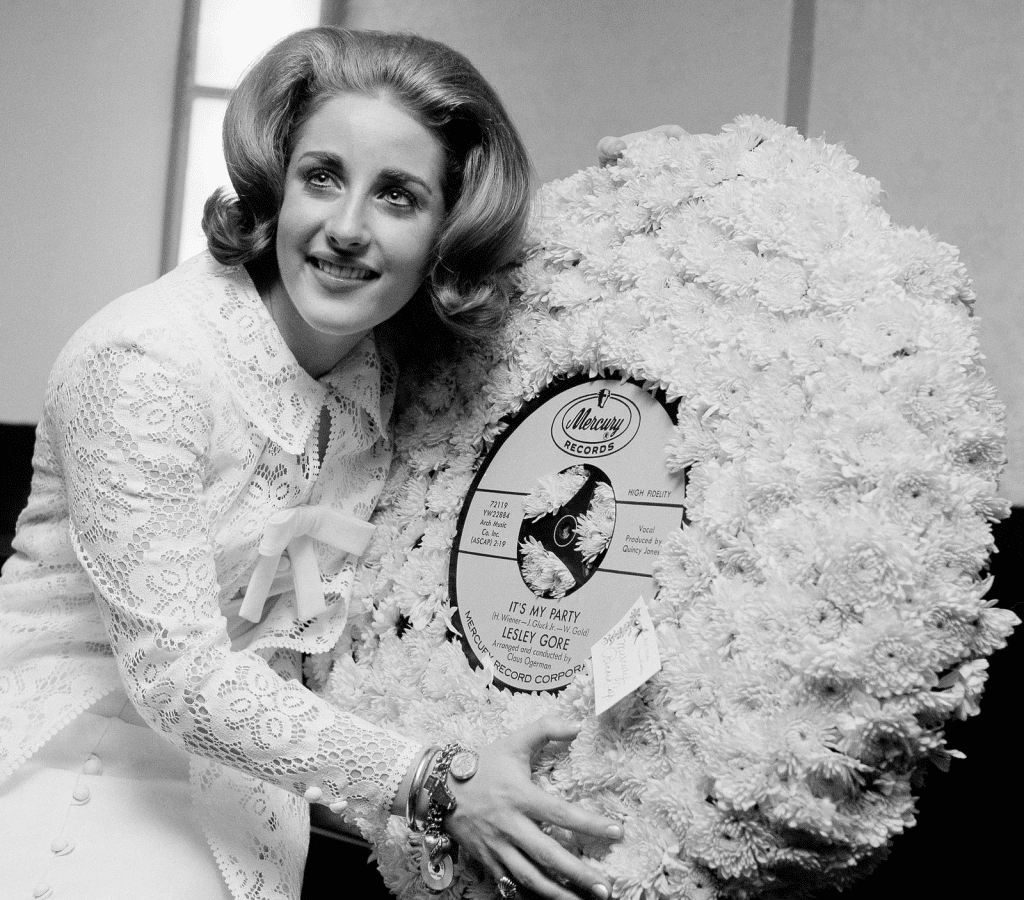
Even decades later, “It’s My Party” remains a classic. It still appears on oldies radio, in films, and in conversations about early pop music. Its appeal has never depended on complicated lyrics or dramatic production. It works because it tells a clear emotional story that people instantly understand.
Lesley Gore passed away in 2015, but her music continues to reach new listeners.
“It’s My Party” remains one of her defining songs: bright, emotional, catchy, and unforgettable.
In less than three minutes, Lesley Gore captured the heartbreak of being young, hurt, and strong enough to sing about it.


