When Cat Stevens released “Morning Has Broken” in 1971, music and society were moving through a period of major change.
Many songs of the era were bold, political, emotional, or experimental. But this track offered something different.
It was calm.
It was gentle.
And more than 50 years later, it still feels like a peaceful pause in a noisy world.
A Song With Deeper Roots
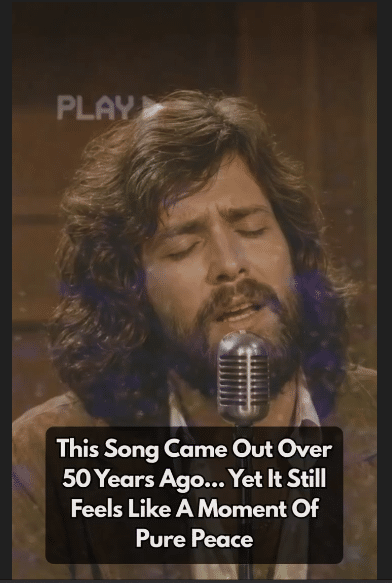
Although Cat Stevens made the song famous, “Morning Has Broken” was not originally written as a pop song.
The lyrics were written in 1931 by English author Eleanor Farjeon. The words celebrate nature, gratitude, renewal, and the beauty of a new day.
When Stevens recorded it for his album Teaser and the Firecat, he gave the hymn a warm, personal feeling that helped it reach a much wider audience.
The Piano That Made It Unforgettable
One of the most memorable parts of the song is its graceful piano arrangement.
Rick Wakeman, later known for his work with Yes, played the piano on the recording. His performance added warmth, elegance, and a dreamlike quality that perfectly matched Stevens’ gentle voice.
Together, the vocals and piano created a sound that still feels timeless.
Why It Still Resonates
“Morning Has Broken” does not try to overwhelm the listener.
Instead, it invites people to slow down, breathe, and notice the simple beauty around them.
That is why so many listeners still turn to it during quiet mornings, reflective moments, long drives, or times when life feels heavy.
The song reminds us that every new day can bring peace, gratitude, and a fresh beginning.
Final Thoughts
Cat Stevens’ “Morning Has Broken” remains one of the most comforting songs of the 1970s.
Its message is simple, but powerful: even in a difficult world, there is still beauty in renewal.
More than five decades later, it continues to feel like peace set to music.