Noticing a thick hair on your chin can feel surprising, but it is more common than many women realize.
For some, it is simply a normal part of aging or genetics. For others, it may be a small sign that hormones are changing.
Facial hair in women is not something to feel ashamed about. However, understanding why it happens can help you know when it is harmless and when it may be worth discussing with a healthcare provider.
Why Women Get Chin Hair
Women naturally produce small amounts of androgens, including testosterone. These hormones can influence hair growth.
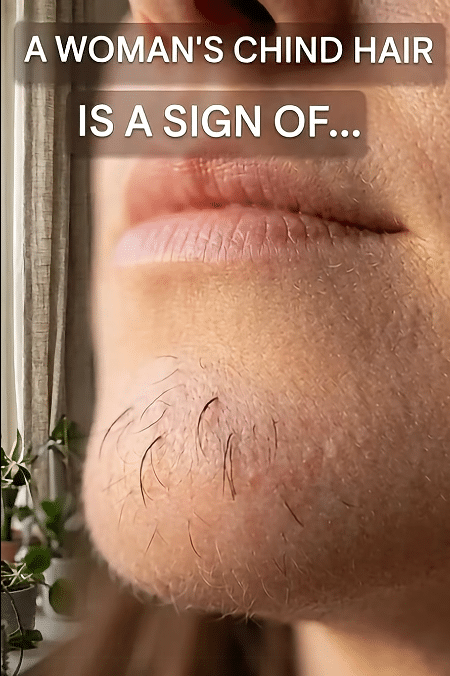
When androgen levels rise, or when hair follicles become more sensitive to them, thicker and darker hairs may appear on the chin, jawline, or upper lip.
This does not always mean something is wrong. A few chin hairs can be completely normal.
Genetics Can Play a Role
Family history matters.
Some women are simply more likely to develop facial hair because of genetics. If your mother, grandmother, or sisters have similar hair growth, it may be part of your natural pattern.
Still, it is important to notice sudden changes, especially if the hair becomes thicker, darker, or appears quickly.
Hormonal Changes and PCOS
One common medical reason for increased facial hair is Polycystic Ovary Syndrome, or PCOS.
PCOS can affect hormone balance and may also cause irregular periods, acne, weight changes, and fertility concerns.
Because symptoms can vary, some women do not realize their chin hair may be connected to a larger hormonal issue.
Menopause Can Also Cause Changes
As women approach menopause, estrogen levels naturally decline.
When estrogen drops, the effects of androgens can become more noticeable. This may lead to new or increased facial hair growth.
In many cases, this is a normal part of aging, but it can still be frustrating or uncomfortable.
When to See a Doctor
Occasional chin hair is usually not dangerous.
However, you should consider speaking with a healthcare provider if facial hair appears suddenly, grows rapidly, becomes excessive, or comes with symptoms such as irregular periods, acne, unexplained weight gain, fatigue, mood changes, or voice deepening.
A doctor can check for hormonal imbalances and recommend the right treatment if needed.
Supporting Hormonal Health
Healthy habits can support hormone balance over time.
Good sleep, stress management, balanced nutrition, regular exercise, and routine medical checkups can all play a role in overall wellness.
For some women, treatment may include medication, hormonal therapy, or cosmetic hair-removal options, depending on the cause.
Final Thoughts
A woman’s chin hair is usually not something to panic about.
It may be caused by genetics, aging, menopause, or normal hormone changes. But if it appears suddenly or comes with other symptoms, it can be a useful signal to check your health.
Your body often gives small signs before bigger issues become obvious.
Pay attention, ask questions, and never feel embarrassed about seeking medical advice.


