What started as a puzzling and slightly unsettling discovery in an Oklahoma lake quickly turned into a fascinating lesson about nature, science, and the hidden life beneath the water’s surface. Visitors expecting a peaceful day at the lake instead found themselves staring at strange, gelatinous masses that looked more like something from a science fiction movie than a natural phenomenon.
A Shocking Discovery Beneath the Surface
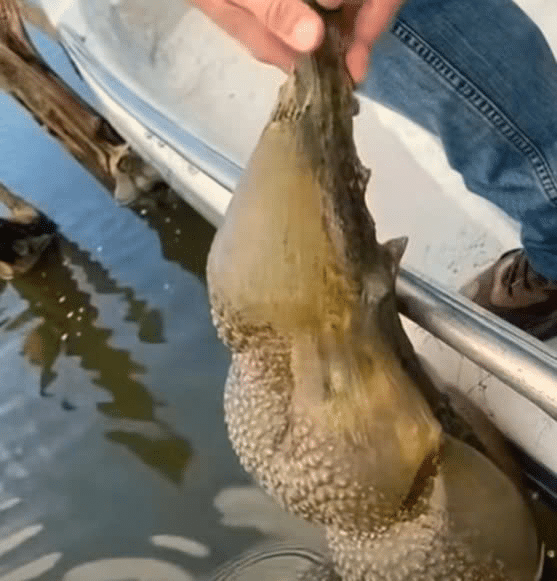
In March 2024, people visiting McGee Creek Reservoir in Oklahoma noticed unusual jelly-like blobs attached to submerged tree branches. Floating just below the surface, these formations appeared soft, cloudy, and eerily brain-like. Naturally, curiosity—and concern—spread quickly.
Photos of the mysterious objects began circulating online, with many wondering if they were dangerous. Some speculated about pollution, invasive species, or even unknown organisms. Their unusual appearance made them hard to ignore—and even harder to explain without expert insight.
The Truth Behind the “Alien” Blobs
As scientists and wildlife experts stepped in, the mystery was quickly solved. The strange formations were identified as colonies of bryozoans, also known as “moss animals.” While the name might not be widely recognized, these organisms are far from new. In fact, they’ve existed for hundreds of millions of years.
Bryozoans are tiny aquatic creatures called zooids that live together in large, connected colonies. Individually, they are microscopic and nearly invisible. But when thousands gather, they form the jelly-like clusters that startled lake visitors.
Why They Look So Strange
The unusual texture and appearance of bryozoan colonies come from a protective outer layer made of chitin—a natural material also found in insect shells. Underwater, these colonies feel soft and flexible, almost like gelatin. When removed from the water, however, they harden and become brittle.
They often attach themselves to submerged surfaces such as branches, rocks, or docks. Given the right conditions—clean water, stable temperatures, and abundant food—they can grow rapidly, sometimes reaching the size of a basketball.
Despite their strange look, there’s one important fact experts emphasize:
They are completely harmless.
Not Just Harmless — Actually Helpful
Far from being a threat, bryozoans play a crucial role in maintaining healthy freshwater ecosystems. They are filter feeders, meaning they consume tiny particles like algae, bacteria, and organic debris from the water.
This natural filtration process helps improve water clarity and overall quality. In other words, these “mysterious blobs” are quietly cleaning the lake.
They also support aquatic life by serving as a food source for certain fish, snails, and other organisms. This makes them an important part of the ecosystem’s food chain.
A Sign of Clean Water
Interestingly, bryozoans tend to thrive only in relatively clean environments. They are sensitive to pollution and poor water conditions, which means their presence is actually a positive sign.
At McGee Creek Reservoir, these colonies indicate that the water is healthy and capable of supporting diverse life. What initially seemed alarming turned out to be a reassuring indicator of environmental balance.
Living Fossils With an Ancient History
One of the most fascinating aspects of bryozoans is their age. Fossil records show that they have existed for approximately 470 million years—long before dinosaurs walked the Earth.
That means anyone spotting these gelatinous clusters is essentially looking at a living piece of Earth’s ancient history. These organisms have survived massive environmental changes and continue to thrive in lakes, rivers, and oceans around the world.
From Fear to Fascination
As more information became available, public reaction quickly shifted. What once seemed strange and possibly dangerous became a source of curiosity and appreciation. It’s a powerful reminder that nature often presents itself in unexpected ways—and that unfamiliar doesn’t mean harmful.
Moments like this highlight the importance of understanding the natural world rather than fearing it. Beneath the surface of even the calmest lake, complex ecosystems are constantly at work, maintaining balance in ways we rarely notice.
A Hidden World Beneath the Water
The discovery at McGee Creek Reservoir serves as a reminder that nature is full of surprises. These jelly-like blobs are not invaders or threats—they are ancient, beneficial organisms quietly doing their part to keep the environment healthy.
What began as a mysterious sighting turned into an educational moment, revealing the beauty and complexity of life that often goes unseen.
And the next time you spot something unusual in nature, it might just be another incredible story waiting to be understood.


