Marilyn Monroe is remembered as one of the most recognizable beauty icons in American history. Her blonde hair, glowing smile, unforgettable screen presence, and glamorous public image helped turn her into a symbol of classic Hollywood. Decades after her death, her photographs, films, and style continue to influence fashion, entertainment, and pop culture around the world.
But long before the world knew her as Marilyn Monroe, she was a little girl named Norma Jeane Mortenson, later known as Norma Jeane Baker. Behind the beauty, fame, and movie-star image was a childhood filled with instability, loneliness, and heartbreak.
Her story was not born in luxury. It began with uncertainty.
On June 13, 1926, when Norma Jeane was only two weeks old, her mother, Gladys Baker, placed her in the foster home of Ida and Wayne Bolender in Hawthorne, California. Her father was absent from her life, and his identity remained a painful mystery for many years. Gladys reportedly believed the father was Charles Stanley Gifford, a man she knew from her work at Consolidated Studios, but Norma Jeane grew up without the stability of a father figure.
For a child who would later become one of the most admired women in the world, her earliest years were marked by separation.
A childhood without lasting stability
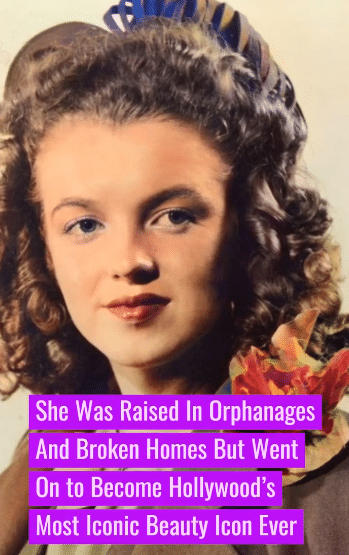
Norma Jeane’s mother, Gladys, struggled with serious mental health challenges. Because of this, she was unable to consistently care for her daughter. Much of Norma Jeane’s childhood was spent moving between foster homes, guardians, and institutions.
As a young girl, she longed for the kind of family life many children take for granted. She wanted a mother who could protect her, comfort her, and remain present. Instead, she often experienced confusion and loss.
There were moments when Gladys tried to be part of her daughter’s life, but those moments were complicated by emotional instability. In one frightening incident, Gladys reportedly attempted to take Norma Jeane away from her foster parents during a breakdown. Later, when Norma Jeane was still a child, her mother suffered a severe mental collapse and was institutionalized.
That separation left a deep mark.
Norma Jeane grew up knowing that her mother was alive, but not truly available to her in the way she needed. That kind of absence can be especially painful for a child. It creates a longing that does not easily disappear, even in adulthood.
Moving from home to home
Because Gladys could not provide a stable home, Norma Jeane spent much of her childhood being moved from one place to another. She lived in foster homes, an orphanage, and the homes of different caregivers. Each move meant adjusting to new rules, new people, and new uncertainty.
For many children, home is supposed to be a safe place. For Norma Jeane, home often felt temporary.
She later spoke about painful experiences from her childhood, including feelings of abandonment and accounts of abuse. These experiences helped shape the emotional struggles she carried into adulthood. While the public would later see Marilyn Monroe as glamorous and confident, the person behind the image often felt insecure, lonely, and afraid of being unwanted.
That contrast became one of the most heartbreaking parts of her life story. Millions adored her, yet she still struggled to feel truly loved.
A teenage marriage born from survival
By the time Norma Jeane was a teenager, her need for stability became urgent. When she was 16 years old, she married her boyfriend, James Dougherty. To outsiders, it may have looked like a young romance, but the reality was more complicated.
Her guardians were moving away, and marriage helped prevent her from being sent back to an orphanage. For Norma Jeane, the decision was less about a fairy-tale love story and more about survival.
She wanted security. She wanted a place to belong. Marriage offered a way to avoid returning to the instability she had known for most of her childhood.
But her life was about to change in a way no one could have predicted.
From factory worker to model
During World War II, Norma Jeane worked in a factory while her husband served in the military. It was there that a photographer noticed her. That moment opened the door to modeling, and modeling soon opened the door to Hollywood.
Norma Jeane had a natural beauty that photographed beautifully. She also understood that transformation could create opportunity. As her modeling career grew, she began reshaping her image. She changed her hair, refined her look, and eventually became Marilyn Monroe.
The name would become legendary.
At first, movie studios did not always take her seriously as an actress. Some viewed her mainly as a beautiful young woman with commercial appeal. But Marilyn had more than beauty. She had charisma, vulnerability, timing, and a powerful connection with the camera.
Audiences noticed immediately.
Becoming Marilyn Monroe
As Marilyn Monroe, she began building the image that would make her one of the most famous women in the world. Her roles in films such as Gentlemen Prefer Blondes, How to Marry a Millionaire, and The Seven Year Itch helped define her as a Hollywood superstar.
She became known for glamour, comedy, softness, and magnetic screen presence. Her voice, walk, smile, and style became instantly recognizable. Studio marketing helped create the Marilyn image, but it was her unique presence that made it unforgettable.
She represented beauty, fame, and fantasy. But behind the scenes, Marilyn was still carrying the wounds of Norma Jeane.
The pain behind the glamour
Even after achieving worldwide fame, Marilyn struggled emotionally. Friends, writers, and biographers have often described her as someone who deeply wanted love, acceptance, and safety. Those were the very things she had been denied as a child.
Her relationship with her mother remained painful and complicated. Gladys continued dealing with mental illness, and Marilyn continued carrying the emotional weight of growing up without a stable parent. Fame could not repair that wound.
Behind closed doors, Marilyn battled loneliness, anxiety, addiction, and the pressure of being treated as an image rather than a full human being. Many people adored her beauty, but fewer understood her pain.
She worked hard to be taken seriously as an actress. She studied, practiced, and wanted roles that allowed her to show more depth. But Hollywood often trapped her inside the image it had created for her.
That struggle made her life both inspiring and tragic.
Why her story still matters
Marilyn Monroe’s legacy is not only about glamour. It is also about resilience. She came from a childhood of uncertainty and pain, yet she built herself into one of the most famous stars in entertainment history.
Her story reminds us that public beauty can hide private suffering. Someone can appear confident, admired, and successful while still carrying deep emotional wounds.
Marilyn’s life also shows how childhood trauma can follow a person long after they become an adult. Money, fame, and success may change someone’s circumstances, but they do not automatically erase the need for healing, love, and emotional safety.
That is why people remain fascinated by her. Not only because she was beautiful, but because she was human. Vulnerable. Complicated. Brilliant. Hurt. Hopeful.
Final thoughts
Marilyn Monroe became an American beauty icon, but her journey began as Norma Jeane, a little girl searching for stability in a world that repeatedly failed her. She survived foster homes, abandonment, emotional trauma, and deep loneliness before transforming herself into one of Hollywood’s brightest stars.
Her smile became famous around the world, but behind that smile was a woman who carried pain most fans never saw.
Today, Marilyn Monroe is remembered not just for her beauty, her films, or her timeless image, but for the heartbreaking strength it took to rise from such a painful beginning.
She was more than a symbol of glamour. She was a survivor whose story still touches people generations later.


