A heartbreaking environmental tragedy unfolded on the shores of Cabo de Palos, Murcia, Spain, when a young sperm whale washed up earlier this year. Measuring roughly ten meters long, the whale’s death left scientists and locals deeply concerned. Upon examination, experts made a finding that shocked the world: over 30 kilograms (66 pounds) of plastic debris were found in its stomach.
What Was Found Inside the Whale
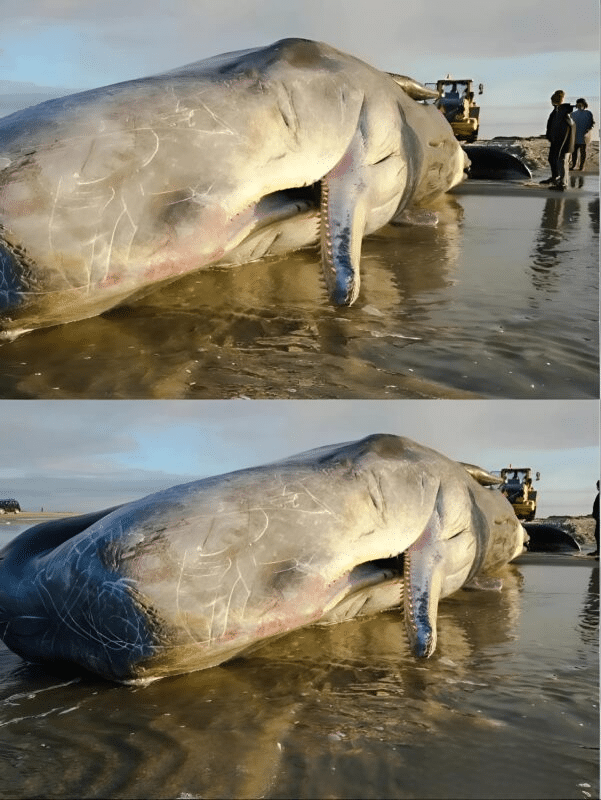
Specialists reported that the whale’s stomach contained a variety of human-made items, including:
- Straw packets
- Plastic bags
- Twine and nets
- A drum rope
- A water container
These items are not part of a whale’s natural diet. Sperm whales typically consume giant squid, octopuses, small sharks, and other marine animals. The ingestion of non-digestible plastic created a fatal obstruction, preventing the whale from properly digesting or expelling waste.
Why This Discovery Is So Alarming
The findings highlight the growing crisis of plastic pollution in the world’s oceans. According to Consuelo Rosauro, Director General of the Environment in Murcia, “The presence of plastic in our waters and oceans is one of the greatest threats to the protection of flora and fauna, as many animals become trapped in the waste or ingest large amounts of plastic material, which ultimately leads to their death.”
This case is not isolated. Millions of tons of plastic float in the oceans globally, endangering marine life on a massive scale. Current estimates suggest 150 million tons of plastic are circulating in the oceans, with an additional 8 million tons entering the seas every year.
The Impact on Marine Life
Ingesting plastic can cause blockages in the digestive system, internal injuries, malnutrition, and ultimately death. Young whales and other marine mammals are particularly vulnerable because their digestive systems are not developed to handle large, non-biodegradable objects.
The tragedy of this sperm whale serves as a stark reminder of the devastating consequences human activity can have on wildlife. The ingestion of plastic not only impacts individual animals but also threatens the health of entire marine ecosystems.
Why It Matters
This incident has renewed calls for action against single-use plastics and better waste management worldwide. The fact that a young, healthy whale could die from consuming human trash underscores the urgency of global efforts to reduce plastic pollution, protect marine life, and restore ocean health.
Every piece of plastic that enters the ocean poses a risk to marine species. Whales, turtles, seabirds, and countless fish are all affected, creating a chain reaction that ultimately impacts humans as well through seafood consumption and ecosystem disruption.
Final Thoughts
The discovery of 66 pounds of plastic in the stomach of this young sperm whale is a chilling reminder of how human negligence affects the natural world. While scientists continue to study and raise awareness about such tragedies, the solution relies on reducing plastic use, cleaning our oceans, and changing behaviors on a global scale.
If this event teaches us anything, it is that even the smallest pieces of plastic can have monumental consequences for life in the ocean.


