Most boating trips start with calm confidence. The sun reflects off the water, the vessel feels steady beneath your feet, and danger seems far away. Yet small-boat accidents rarely announce themselves—they often begin with a subtle misstep, a sudden wave, or a brief lapse in attention. In these critical moments, survival depends on one simple but essential decision: wearing a lifejacket.
Why Lifejackets Are Non-Negotiable
Drowning is the leading cause of death in small-vessel accidents worldwide. According to the U.S. Coast Guard, around 85% of fatalities involved individuals not wearing lifejackets. These devices keep the airway above water, conserve energy, and provide flotation until rescue arrives.
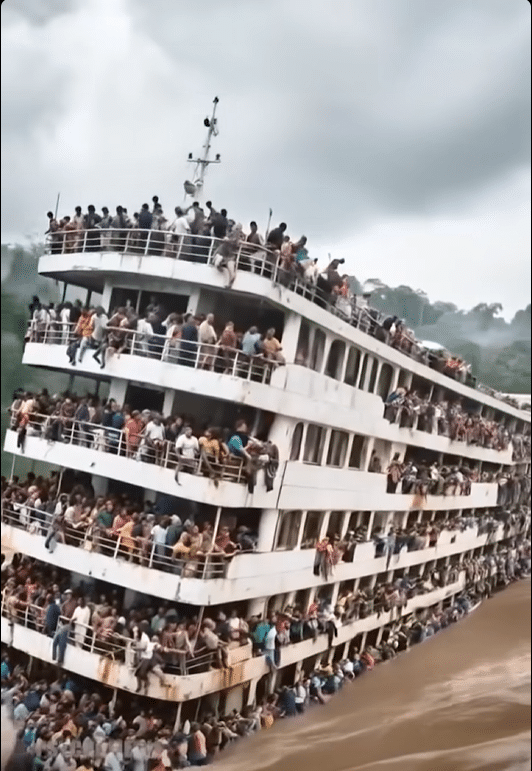
Small boats—canoes, kayaks, rowboats, and small sailboats—are particularly vulnerable due to limited stability. Factors that increase the risk of capsizing include:
- Rough waves from wind or nearby vessels
- Weight distribution shifting unexpectedly
- Overcrowding beyond recommended capacity
- Sudden weather changes such as storms or high winds
Even boats designed for stability can become hazards if basic precautions are ignored.
Preventing Small-Boat Accidents
Safety starts before leaving the dock. Key habits include:
- Maintain a low center of gravity: Sit or kneel to stabilize your weight. Avoid standing unnecessarily.
- Three points of contact: Keep two hands and one foot, or two feet and one hand in contact with the boat.
- Approach waves head-on: Reduces risk of tipping; avoid side angles.
- Control speed in bad weather: Slower movement decreases impact of waves.
- Distribute weight evenly: Balance passengers and gear to prevent leaning.
These precautions dramatically improve safety and reduce the likelihood of accidents.
Emergency Response Tips
Even with preparation, emergencies can occur. Quick, calm actions save lives.
If someone falls overboard:
- Stop the boat immediately.
- Throw a flotation device (life ring or cushion).
- Keep the person in sight.
- Turn off the engine before reboarding.
- Conserve energy and rely on the lifejacket.
If the boat capsizes:
- Stay calm; panic increases risk.
- Remain with the vessel—it is easier to spot than a lone swimmer.
- Conserve energy and let your lifejacket do the work.
Choosing the Right Lifejacket
Not all lifejackets are equal. Selection depends on activity and water conditions:
- Type I (Offshore): Maximum buoyancy for rough water; keeps unconscious wearers face-up.
- Type II (Near-Shore): Suitable for calm waters; lighter but effective.
- Type III (Flotation Aids): Comfortable for active use, ideal for kayaking, canoeing, and sailing.
- Type V (Special Use): Hybrid designs for specific activities like water skiing.
Always ensure proper fit. An ill-fitting jacket can ride up or fail to support you. Inspect regularly and replace damaged equipment.
Real-Life Lessons
Several incidents highlight the life-saving importance of lifejackets:
- A 12-foot sailboat capsized; the passenger wearing a lifejacket stayed afloat and calm, while another struggled without one.
- Kayakers caught in a sudden rip current found lifejackets kept them visible and safe until help arrived.
Even experienced boaters are affected by alcohol and fatigue, which impair judgment and reaction time. Avoid drinking and ensure alertness at all times.
Additional Safety Equipment
Alongside lifejackets, other essentials include:
- Throwable devices (rings, cushions)
- Whistles and flares for signaling
- Fire extinguisher
- First-aid kit
- Communication tools (VHF radios, waterproof phones)
Children and Lifejackets
Children are especially vulnerable. Always ensure:
- Properly fitted, child-sized lifejackets
- Constant supervision
- Emergency plans explained in age-appropriate terms
Environmental Awareness
Before heading out, check weather forecasts, water conditions, and inform someone onshore about your trip. Awareness of currents, tides, and obstacles complements your lifejacket and training.
Conclusion
Small-boat accidents happen in seconds. Preparation, calm response, and proper equipment are key. A lifejacket is not just gear—it is a lifeline. By combining careful handling, situational awareness, and flotation, boaters can turn potential tragedies into survivable incidents.
Whether sailing, kayaking, or enjoying a motorboat, never underestimate the importance of wearing a lifejacket. It transforms vulnerability into protection and ensures every adventure ends safely.


