It can happen during an ordinary moment in your day. You are getting dressed, showering, or using the bathroom when you suddenly notice something that was not there before. Maybe it is a small bump, a red patch, a raised spot, or an area of irritation in a private part of the body.
Almost immediately, your mind may begin asking uncomfortable questions.
Is this normal?
Could it be serious?
Should I be worried?
Do I need to see a doctor?
Noticing changes in intimate skin can feel stressful because many people do not talk openly about these issues. However, skin changes in sensitive areas are more common than many realize. Some are caused by everyday habits like shaving, sweating, friction, tight clothing, or irritation from products. Others may be linked to infections or medical conditions that need professional care.
The most important thing is not to panic. Instead, pay attention, understand possible causes, and know when it is time to speak with a healthcare provider.
Many intimate skin bumps are harmless
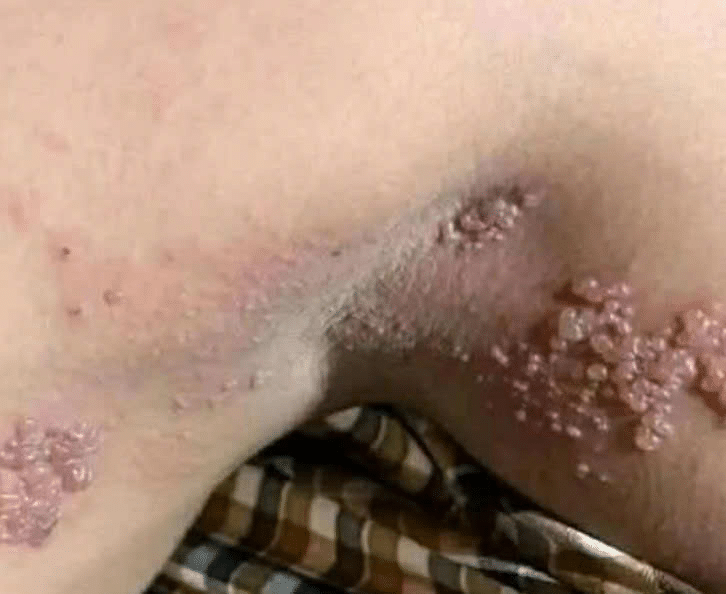
A bump in a private area does not automatically mean something dangerous. The skin in these areas is delicate and can react easily to pressure, moisture, grooming, and clothing. In many cases, the cause is minor and treatable.
One common cause is folliculitis, often known as shaving bumps. This happens when hair follicles become irritated or inflamed. It may appear as small red bumps, white-tipped bumps, or tender spots around hair growth. Shaving, waxing, sweating, and wearing tight clothing can all increase irritation.
Simple care may help in mild cases. Keeping the area clean, avoiding shaving for a few days, wearing breathable clothing, and using a warm compress can allow the skin to calm down naturally. However, if bumps become painful, spread, fill with pus, or do not improve, it is best to get medical advice.
Another possible cause is a sebaceous cyst. These are smooth, round bumps that form beneath the skin when oil glands or hair follicles become blocked. They are often harmless and may not require treatment unless they become painful, swollen, or infected. It is important not to squeeze or pick at a cyst because that can make irritation worse or lead to infection.
Ingrown hairs are also very common in areas where hair is shaved or removed. They happen when hair grows back into the skin instead of outward. This can create a small, irritated bump that may look red or feel tender. Gentle care and avoiding further hair removal until the area heals can help reduce discomfort.
Skin tags may also appear where skin rubs together. These are usually soft, small growths that are not dangerous. Still, if a bump changes quickly, bleeds, becomes painful, or looks unusual, a doctor should evaluate it.
When bumps may need medical attention
While many bumps are harmless, some can be signs of infections or skin conditions that should be treated. This is why it is important to avoid guessing or relying only on internet searches.
Certain strains of HPV can cause small, soft bumps that may appear alone or in clusters. These bumps can spread through skin-to-skin contact, so professional diagnosis and treatment are important.
Herpes simplex may cause painful blisters or sores, sometimes with tingling, burning, or tenderness before the sores appear. A healthcare provider can offer testing and prescribe medication to help manage symptoms and reduce future outbreaks.
Another condition, molluscum contagiosum, may cause small, shiny, dome-shaped bumps with a tiny dip in the center. It can sometimes go away on its own, but because it may spread through close contact, medical guidance can be helpful.
Some bacterial infections, including syphilis, can begin with a sore that may not be painful. Because untreated infections can lead to serious health problems, any unexplained sore should be checked by a medical professional as soon as possible.
There are also chronic inflammatory skin conditions that can affect intimate areas. Conditions such as lichen sclerosus or lichen planus may cause itching, white patches, purplish bumps, soreness, or changes in skin texture. These conditions often require prescription treatment to reduce symptoms and protect long-term skin health.
Signs you should contact a healthcare provider
It is a good idea to seek medical advice if a bump or sore lasts longer than two weeks, keeps returning, becomes painful, changes color or size, bleeds, crusts, burns, or appears with unusual discharge, fever, swelling, or discomfort during urination.
You should also speak with a doctor if you are unsure what caused the change or if you recently had intimate contact and are concerned about possible infection. Healthcare professionals deal with these concerns every day, and there is no reason to feel embarrassed about asking for help.
Early evaluation can provide peace of mind. It can also help prevent a treatable issue from becoming more serious.
Protecting your skin and your health
Good daily habits can reduce irritation in sensitive areas. Wearing breathable underwear, avoiding overly tight clothing, using gentle fragrance-free products, keeping the area dry, and being careful with shaving or waxing may help prevent common bumps and rashes.
It is also important not to scratch, squeeze, or pick at bumps. Doing so can worsen inflammation and increase the risk of infection. When something looks unusual, the safest choice is to monitor it closely and seek professional guidance if it does not improve.
The key takeaway
Private-area skin changes can feel alarming, but many are common and manageable. A bump does not always mean something serious. Still, your body deserves attention and care.
The best approach is simple: stay calm, avoid self-diagnosing, and speak with a qualified healthcare provider when something feels unusual or does not go away. Taking action early can protect your health, reduce stress, and give you the answers you need.
Disclaimer: This article is for informational purposes only and is not a substitute for professional medical diagnosis or treatment. Always consult a qualified healthcare provider about symptoms, medications, or health concerns. Never ignore medical advice because of something you read online.


