Some antique objects look confusing because they come from a world that no longer exists. Younger people may stare at them and have no idea what they were used for. But older generations, collectors, mechanics, and vintage car fans may recognize them almost instantly.
This unusual metal object is an Antique Bunsen Auto Motor Heater.
At first glance, it may look like a small lantern, an old metal canister, a portable stove, or a strange garage tool. But its real purpose was very practical. It was designed to help warm an automobile engine during cold weather, making the vehicle easier to start in winter.
Before modern electric block heaters, heated garages, advanced motor oil, and reliable cold-start technology, starting a car on a freezing morning could be a real challenge. This small heater was one of the tools drivers used to fight the cold.
What Is an Antique Bunsen Auto Motor Heater?
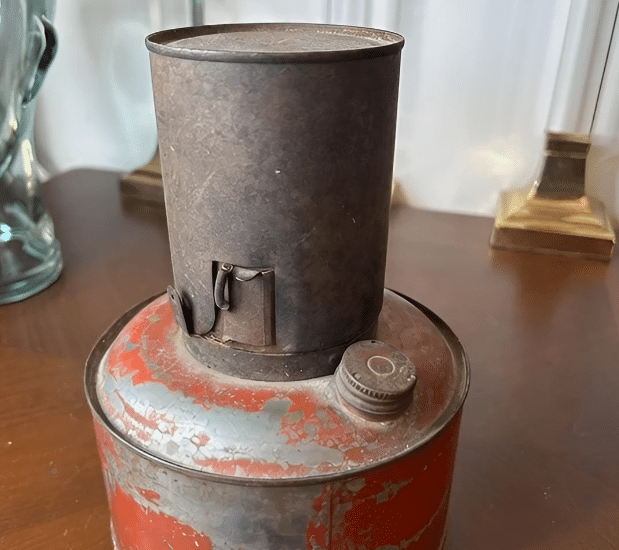
An Antique Bunsen Auto Motor Heater is a vintage automotive accessory used to warm the engine area of early cars and trucks. It was especially useful in cold climates, where low temperatures could make oil thick, engines sluggish, and vehicles difficult to start.
Many examples are linked to the Bunsen Company, sometimes identified as Bunsen Inc. of Denver, Colorado. These heaters were often shaped like small metal lanterns or portable fuel-burning warmers.
The idea was simple: place or hang the heater near the engine so the heat could help keep the motor warm enough to start more easily.
Today, it is best understood as an early version of an engine block heater, but instead of plugging into electricity, it used fuel and an open flame.
What Was It Used For?
The main purpose of the Bunsen Auto Motor Heater was to keep an engine warm in cold weather.
In older vehicles, winter starting was not as simple as turning a key. Early engines required more hands-on attention. Cold temperatures could thicken the oil, reduce battery performance, and make mechanical parts harder to move.
This heater helped by warming the engine block and surrounding area before starting the car.
It was commonly associated with older vehicles such as Ford Model T, Ford Model A, early trucks, and other classic automobiles from the early 20th century.
For drivers living in snowy or freezing regions, a device like this could make the difference between getting the car started or being stuck at home.
How Did It Work?
The Bunsen Auto Motor Heater worked much like a small fuel-burning warmer.
A user would add fuel, often kerosene or a similar heating fuel, to the heater’s small reservoir. The flame inside would produce heat, and the heater would be placed under or near the engine area.
The rising heat helped warm the metal components of the engine. This could keep the oil from becoming too thick and make the motor easier to turn over.
It was a clever solution for its time, but it also required caution. Unlike modern electric heaters, this device involved fire, fuel, heat, and metal parts near a vehicle.
That is one reason these heaters are now mainly collected as antiques rather than used for their original purpose.
How to Recognize One
An Antique Bunsen Auto Motor Heater usually has several recognizable features.
It often has a round or lantern-like metal body. Many include a wire handle or hanging hook. The body may have ventilation holes, heat openings, or a small fuel chamber. Some examples have labels or markings that say Auto Motor Heater, Bunsen, or Denver, Colorado.
Because these items are old, they often show patina, darkened metal, light rust, worn paint, or discoloration from age and use.
Some are roughly the size of a small lantern, making them easy to mistake for an old camping heater or shop light. But the wording on the label, if still visible, usually reveals the true purpose.
Was It a Car Cabin Heater?
No. This is an important distinction.
Despite the name “auto motor heater,” it was not mainly designed to warm the people sitting inside the vehicle. It was meant to warm the motor, meaning the engine.
Modern drivers may think of a car heater as something that blows warm air into the cabin. But this antique device served a different purpose. It helped the engine start in cold weather.
In that sense, it was closer to today’s engine block heater than a dashboard heater.
Why Drivers Needed Tools Like This
Early cars were much more demanding than modern vehicles.
Today, most drivers expect their car to start in freezing weather with little effort. Modern batteries, fuel systems, synthetic oils, electronic ignition, and engine management systems have made cold starts much easier.
But in the early days of motoring, winter could be a serious obstacle. Oil became thick. Engines resisted turning. Vehicles stored outside or in unheated barns were especially difficult to start.
Drivers had to be creative. They used blankets, heated water, lamps, hand cranks, special oils, and devices like the Bunsen Auto Motor Heater to prepare their cars for cold mornings.
This object is a reminder of how much automotive technology has changed.
Is It Safe to Use Today?
An antique Bunsen Auto Motor Heater should generally be treated as a collectible, not a working heater.
Because it uses fuel and flame, it can be dangerous if used incorrectly. Risks include fire, burns, smoke, fumes, fuel leaks, and carbon monoxide exposure. Using any old fuel-burning device near a vehicle, garage, or enclosed space can be hazardous.
If you find one, do not try to light it just to see if it still works. Old seals, metal fatigue, corrosion, and unknown residue can make it unsafe.
For display, it can be a fascinating piece of garage history. For actual engine warming, modern electric block heaters and professional cold-weather vehicle solutions are much safer.
Why Collectors Like It
The Antique Bunsen Auto Motor Heater is popular with collectors of vintage automotive accessories, early car tools, garage memorabilia, and Ford Model T or Model A items.
It fits into several collectible categories, including:
Vintage automotive accessories
Antique car tools
Engine heater collectibles
Ford Model T and Model A accessories
Garage automobilia
Early motoring equipment
Collectors enjoy these objects because they tell a story about the challenges of early driving. They also look great in a vintage garage display, classic car museum, workshop, or antique tool collection.
The value depends on condition, visible markings, completeness, age, rarity, and whether it still has original parts such as the handle, label, fuel chamber, or packaging.
What Is It Worth?
Values can vary widely.
A heavily rusted example with missing parts may only be valuable as rustic décor. A clean, complete heater with a clear Bunsen label, original handle, and strong display condition may attract more interest from collectors.
Original packaging, readable markings, and documented history can increase appeal.
Like many vintage automotive collectibles, the exact value depends on the buyer. A general antique shopper may see it as a curious metal object, while a Model T collector may see it as a meaningful accessory from the early days of motoring.
The Real Answer
So, what is this mysterious old metal object?
It is an Antique Bunsen Auto Motor Heater — a fuel-burning engine warmer used to help old cars start in cold weather.
It was not designed to heat the passenger cabin. It was made to warm the engine area before starting the vehicle, especially during harsh winter conditions.
Today, it is mostly a collectible reminder of early automotive life, when drivers had to work much harder to keep their vehicles running.
To younger generations, it may look strange. To the golden generation, mechanics, and vintage car lovers, it is a piece of history from a time when starting a car on a freezing morning took patience, tools, and a little ingenuity.


