Some objects instantly take people back to childhood. For many riders, this old bicycle gadget brings back memories of evening rides, metal fenders, narrow tires, and the soft whirring sound of a little generator pressing against the wheel.
If you remember using one, there is a good chance you grew up before rechargeable LED bike lights became common.
This device is a bicycle dynamo light — a lighting system that creates electricity from the movement of the bicycle wheel. Instead of relying on disposable batteries, it used the rider’s own pedaling power to turn on the headlight, taillight, or both.
To younger cyclists, it may look like a strange little metal part attached near the tire. But for decades, it was one of the most practical ways to ride safely after dark.
What Is a Bicycle Dynamo Light?
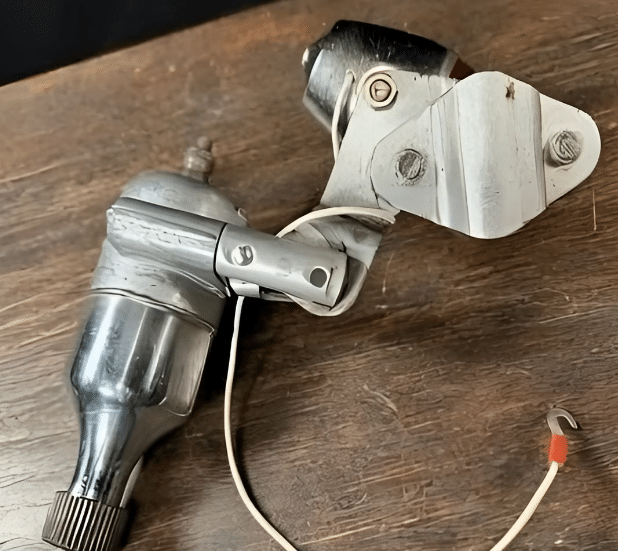
A bicycle dynamo light is a bike lighting system powered by a small generator called a dynamo. As the bicycle wheel turns, the dynamo produces electricity and sends it through wires to the lamp.
The system usually has two main parts: the generator and the light.
The generator may be mounted against the tire or built directly into the wheel hub. The lamp may be attached to the handlebars, front fork, fender, or rear of the bicycle.
Older versions often used a bottle dynamo. This type had a small roller that pressed against the side of the tire. When the rider pedaled, the tire spun the roller, the roller turned the generator, and the electricity powered the light.
Modern versions often use a hub dynamo, which is built into the front wheel hub. These systems are more compact, more reliable in wet weather, and popular with touring cyclists and daily commuters.
How Did It Work?
The idea was simple and clever.
When the bicycle moved, the wheel turned. On a bottle dynamo system, a small roller touched the sidewall of the tire. As the tire rotated, it spun the roller. That spinning motion created electrical power inside the dynamo.
The electricity traveled through wires to the bicycle light. As long as the bike was moving, the light stayed on.
That meant riders did not have to worry about dead batteries. They did not need to remember to charge anything. They simply pedaled, and the light came to life.
On older systems, the light usually went out when the bicycle stopped. Some modern dynamo lights include a feature called a standlight, which allows the lamp to stay on for a short time even when the bike is not moving. This is especially useful at traffic lights or stop signs.
Why It Was So Popular
Before compact LED lights and rechargeable batteries became common, bicycle lighting was not always convenient. Battery-powered lights could be weak, expensive to maintain, or unreliable if the batteries ran out.
A dynamo light solved that problem.
It gave cyclists a dependable source of light as long as they were moving. This made it especially useful for people who rode to work, school, shops, or home after sunset.
For many riders, a bicycle dynamo light was not a luxury accessory. It was a normal part of the bike.
It also had a certain charm. The soft hum of the generator, the glow of the front lamp, and the feeling of powering the light with your own pedaling made the system memorable.
Bottle Dynamo Lights
The classic version many people remember is the bottle dynamo light.
This style had a small generator mounted to the bicycle frame or fork. A roller pressed against the tire. When needed, the rider could engage the dynamo so the roller touched the tire. When light was not needed, the dynamo could usually be moved away from the wheel.
Bottle dynamos were easy to recognize and relatively simple to install. They were common on older bicycles from Europe, Japan, and many other regions.
They did have a few drawbacks. They could create a little drag while riding, make a soft buzzing sound, and sometimes slip in wet weather if the roller or tire sidewall did not grip well. Still, they were practical, affordable, and widely used for many years.
Hub Dynamo Lights
Modern dynamo systems often use a hub dynamo.
Instead of pressing a roller against the tire, the generator is built into the wheel hub, usually on the front wheel. This design is cleaner and more reliable because it does not depend on tire contact.
Hub dynamos are popular with long-distance cyclists, touring riders, commuters, and people who want dependable lighting without charging batteries. They work well in rain, require little attention, and can power bright modern LED lamps.
The downside is that they cost more and usually require a compatible wheel or hub. But for serious daily riders, they are still one of the best lighting solutions available.
How to Recognize a Vintage Bicycle Dynamo Light
A vintage bicycle dynamo light usually has a few clear features.
Look for a small metal generator mounted near the front or rear wheel. It may have a rubber or metal roller positioned to touch the tire. There may be wires running from the generator to a front headlamp and sometimes to a rear light.
The front lamp may be mounted on the handlebar, fork, or fender. The rear lamp may be attached to the rear fender or rack.
Older sets may have brand names or markings such as Lucas, Miller, Sturmey-Archer, Soubitez, Union, Bosch, or “Made in England” or “Made in Germany.”
These details can make a vintage system more interesting to collectors, especially if the dynamo, lights, wires, brackets, and lenses are still present.
Does a Bicycle Dynamo Light Need Batteries?
Traditional bicycle dynamo lights do not need regular batteries. They produce electricity from wheel movement.
That was the whole point of the design. The rider generated the power by pedaling.
Some newer dynamo lights may include a small capacitor or internal battery-like storage feature to keep the light on briefly when the bike stops. But the main source of power still comes from the dynamo.
This is one reason the system remains useful today. It is simple, efficient, and does not depend on remembering to recharge a light before every ride.
Can You Still Use One Today?
Yes, bicycle dynamo lights can still be used today, but old systems should be checked carefully before relying on them.
If it is a vintage setup, inspect the generator to see if it spins smoothly. Check whether the roller still grips the tire. Look for cracked or brittle wires. Make sure the bulbs match the correct voltage. Check the mounting brackets and make sure the lamp is secure.
For regular night riding, a modern LED dynamo light is usually brighter and safer than an old incandescent model. However, for restoring a vintage bicycle, an original dynamo light can be the perfect finishing touch.
It helps preserve the bike’s authentic look and tells a story about how cyclists once lit the road before modern bike lights took over.
Why Collectors Like Them
Vintage bicycle dynamo lights are popular with collectors and classic bicycle enthusiasts. A complete set with the dynamo, front lamp, rear light, wiring, brackets, and clear branding can be especially appealing.
Collectors often look for well-known names such as Lucas, Miller, Sturmey-Archer, Bosch, Union, and other classic makers.
These lights are also valued because they represent a practical period in bicycle history. They show how simple mechanical ideas solved everyday problems before digital gadgets and rechargeable accessories became standard.
The Real Answer
So, what is this old bicycle gadget that used to be everywhere?
It is a bicycle dynamo light — a lighting system powered by the motion of the bicycle wheel.
The older version usually had a small generator that pressed against the tire. As the wheel turned, the generator made electricity and powered the bike light.
It may look outdated now, but it was once a brilliant solution for night riding. No batteries. No charging cable. Just pedal power and a glowing lamp to guide the way.
For anyone who remembers the little whirring sound against the tire, this forgotten device is more than a bike part. It is a memory from the road.