Some insects are only annoying. Others can be a sign of a more serious health concern, especially in certain parts of the world. One insect that often causes alarm is Rhodnius prolixus, a blood-feeding bug that belongs to a group commonly known as kissing bugs or triatomine bugs.
At first glance, it may look like an ordinary brown insect with a long body and narrow head. But this bug has gained attention because of its connection to Chagas disease, a parasitic illness caused by Trypanosoma cruzi.
That does not mean every bite leads to disease. It also does not mean people should panic every time they see a similar-looking insect. However, in regions where kissing bugs are known to live, finding one inside the home should be taken seriously.
The safest approach is simple: do not crush it with your bare hands, do not try to handle it casually, and consider contacting local pest control or health authorities for proper identification.
What Is Rhodnius prolixus?
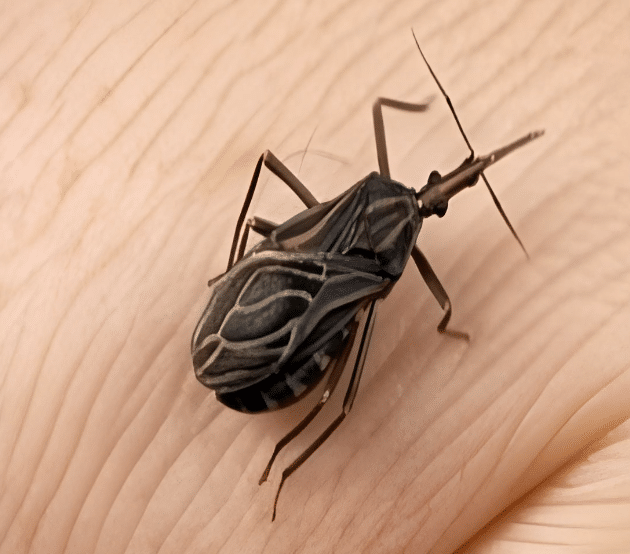
Rhodnius prolixus is a species of blood-sucking insect in the family Reduviidae and the subfamily Triatominae. Like other triatomine bugs, it feeds on the blood of animals and sometimes humans.
It is commonly associated with parts of Central America and northern South America, including areas where it has been recognized as an important carrier of the parasite linked to Chagas disease.
This insect is often called a kissing bug because some species tend to bite people while they sleep, sometimes around the face or mouth. The name may sound harmless, but the health concern behind it is very real in areas where Chagas disease occurs.
Why Can It Be Dangerous?
The main concern with Rhodnius prolixus is not just the bite itself. The bigger issue is that it can carry the parasite Trypanosoma cruzi, which causes Chagas disease.
Chagas disease can affect the body in different ways. In some people, the early stage may cause mild symptoms or no obvious symptoms at all. In others, it may lead to fever, fatigue, swelling, swollen lymph nodes, or irritation near the bite area. Over time, untreated infections may contribute to serious complications involving the heart or digestive system.
One of the most important things to understand is how transmission can happen.
Unlike mosquitoes, kissing bugs do not usually pass the parasite directly through the bite itself. Instead, the bug may feed on blood and then leave droppings near the bite area. If a person scratches the bite or touches their eyes, mouth, or broken skin, the parasite in the insect’s feces may enter the body.
That is why crushing or smearing the bug with bare hands is not recommended. It may increase the chance of contact with contaminated material if the insect is infected.
What Does Rhodnius prolixus Look Like?
Rhodnius prolixus usually has a long, flattened body with a brown to dark brown color. It has a narrow, elongated head and a piercing mouthpart used for feeding. Like many kissing bugs, it is most active at night and may feed while a person or animal is sleeping.
These insects often hide in dark, protected places during the day. They may be found in cracks in walls, roof spaces, animal shelters, thatched materials, wood piles, or other sheltered areas near hosts.
In natural environments, related species may be connected to palm trees, wildlife nests, and areas where animals live. Around homes, they are more likely to become a concern when housing has cracks, gaps, or nearby animal shelters that allow insects to hide and feed.
Does One Bite Mean You Have Chagas Disease?
No. Being bitten by a kissing bug does not automatically mean a person has Chagas disease.
Several things must happen for infection to occur. The insect must be carrying Trypanosoma cruzi. It must leave infected droppings near the bite or another entry point. Then the parasite must enter the body through broken skin, the eyes, the mouth, or another mucous membrane.
Still, caution is important. If someone lives in or has traveled to an area where Chagas disease is found and believes they were bitten by a kissing bug, they should pay attention to symptoms and seek medical advice when needed.
Warning signs may include fever, unusual tiredness, swelling near the bite, swollen glands, or swelling around one eye. A health professional can help decide whether testing or follow-up is necessary.
What Should You Do If You Find One Indoors?
If you think you have found a kissing bug, do not pick it up with your bare hands. Do not crush it against your skin. Do not let children or pets play with it.
A safer option is to place the insect in a sealed container using gloves, a tool, or another protective method. If possible, keep the sample for identification by local health officials, pest control professionals, or an insect expert.
If the bug was found in a bedroom, near a bed, or in a home in an area where Chagas disease is known to occur, it may be wise to contact specialized pest control or public health services. Proper identification matters because many harmless insects can look similar to people who are not trained to recognize them.
How to Reduce the Risk of Kissing Bugs
Prevention focuses on keeping insects from entering and hiding around the home.
Seal cracks in walls, doors, windows, roofs, and foundations. Repair gaps where insects may enter. Use screens on windows and doors when possible. Keep sleeping areas clean and reduce clutter near beds, walls, and dark corners.
Outside the home, avoid keeping piles of wood, leaves, construction materials, or animal bedding close to sleeping areas. If pets or livestock are nearby, their shelters should also be checked and maintained because kissing bugs may feed on animals as well.
In rural areas or homes that are more open to insects, using bed nets may provide extra protection while sleeping.
Why This Insect Matters in Science
Rhodnius prolixus is also important in scientific research. Because it is a blood-feeding insect and a major disease vector in certain regions, researchers have studied it to better understand insect biology, parasite transmission, and Chagas disease prevention.
That scientific attention has helped public health experts learn more about how these bugs live, feed, reproduce, and spread disease.
The Bottom Line
Rhodnius prolixus is not just a strange-looking insect. It is a medically important kissing bug known for its connection to the parasite that causes Chagas disease.
A bite does not automatically mean infection, and not every similar-looking bug is dangerous. But if you live in or visit a region where kissing bugs are common, finding one inside your home should not be ignored.
Do not handle it with bare hands. Do not crush it casually. Keep a sample safely contained if possible, and contact local experts for identification.
The insect may be small, but knowing what it is can make a big difference.


