At first glance, an Oval Finger Splint may appear to be nothing more than a simple ring worn on a finger. In reality, this small orthopedic device serves an important purpose in helping individuals manage a wide range of finger and joint conditions.
Designed to fit comfortably around the finger, Oval Finger Splints provide stability, support, and protection while allowing users to continue many of their everyday activities. Their lightweight and discreet design makes them a popular alternative to bulky hand braces and traditional splints.
Today, these specialized devices are commonly used in hand therapy, rehabilitation programs, and orthopedic treatment plans to improve hand function, reduce discomfort, and protect finger joints from further damage.
What Is an Oval Finger Splint?
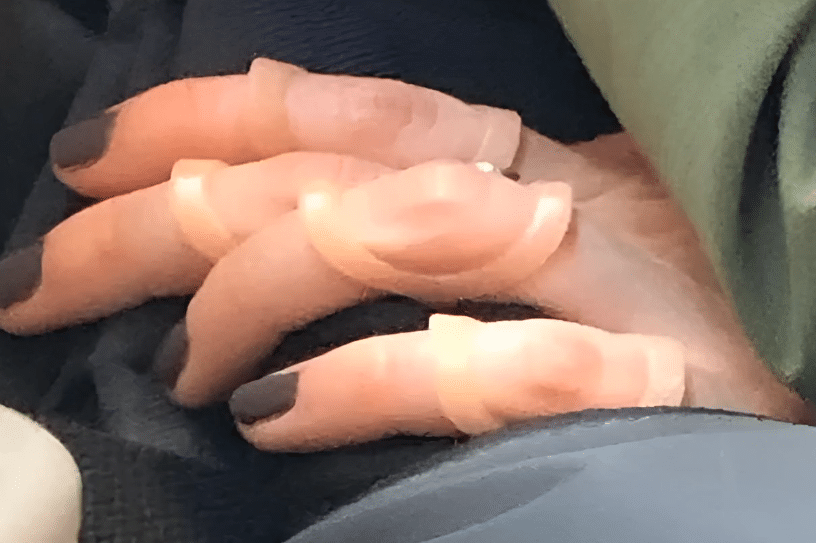
An Oval Finger Splint is a compact orthopedic support worn around one or more finger joints. Unlike larger braces that cover significant portions of the hand, these splints are specifically designed to target individual joints while maintaining hand mobility.
They are commonly manufactured from materials such as:
- Rigid plastic
- Lightweight metal alloys
- Medical-grade thermoplastics
- Composite materials
The splint is carefully shaped to guide and support the affected joint, helping control movement without completely restricting normal hand use.
Because of their slim profile, many individuals can comfortably wear Oval Finger Splints throughout the day with minimal interference in daily activities.
How Do Oval Finger Splints Work?
The primary function of an Oval Finger Splint is to stabilize finger joints and prevent harmful or excessive movement.
When joints bend too far, overextend, or remain in abnormal positions, they may become painful and more susceptible to long-term damage. A properly fitted splint helps maintain better alignment and encourages healthier joint mechanics.
Depending on the condition being addressed, an Oval Finger Splint may:
- Prevent excessive bending
- Limit hyperextension
- Improve finger alignment
- Support healing tissues
- Protect vulnerable joints during daily activities
Although simple in appearance, maintaining proper joint positioning can significantly improve comfort, function, and joint protection over time.
Common Conditions Treated With Oval Finger Splints
One of the reasons Oval Finger Splints are widely recommended is their versatility. They can help manage numerous hand and finger conditions.
Arthritis
People living with arthritis often experience joint instability, stiffness, and discomfort. Oval Finger Splints can help stabilize affected joints, reduce strain, and limit movements that may worsen symptoms.
Boutonnière Deformity
Boutonnière deformity occurs when the middle finger joint bends inward while the fingertip extends outward. Splinting can help support proper positioning and improve hand function during recovery.
Crooked or Misaligned Fingers
Finger misalignment may result from injury, arthritis, or congenital conditions. A splint can assist in maintaining better alignment and supporting normal hand mechanics.
Finger Fractures
In certain cases, healthcare providers recommend finger splints to help stabilize injured joints and support the healing process after a fracture.
Joint Hypermobility
Individuals with hypermobility disorders, including Ehlers-Danlos Syndrome, often experience excessive joint movement. Oval Finger Splints can help reduce overextension and decrease stress on fragile joints.
Lateral Deviation
Over time, some finger joints may drift sideways, particularly in people with chronic arthritis. Splints can help support alignment and slow progression of the deviation.
Support for Tendon and Joint Disorders
Oval Finger Splints are also commonly used to help manage tendon-related conditions that interfere with normal finger movement.
Mallet Finger
Mallet Finger occurs when the fingertip cannot fully straighten due to tendon injury. A splint keeps the fingertip extended while healing occurs.
Swan Neck Deformity
This condition causes excessive extension of the middle joint while the fingertip bends downward. Splinting helps control abnormal movement and improve overall finger function.
Trigger Finger
Trigger Finger causes a finger to lock, catch, or snap during movement. By limiting irritation of the affected tendon, splinting may help reduce symptoms and support recovery.
Trigger Thumb
Similar to Trigger Finger, Trigger Thumb affects the thumb and may cause painful clicking or locking. Proper splint support can reduce strain and improve comfort.
Benefits of Oval Finger Splints
The growing popularity of Oval Finger Splints is largely due to their combination of effectiveness and convenience.
Lightweight and Comfortable
Their compact design allows many individuals to wear them throughout the day without significant discomfort.
Allows Everyday Activities
Many users can continue typing, writing, cooking, and performing routine tasks while wearing the splint.
Protects Vulnerable Joints
The splint helps reduce excessive motion and repetitive stress that may contribute to further joint damage.
Supports Rehabilitation
Proper joint support can improve hand mechanics and contribute to successful rehabilitation outcomes.
Available in Multiple Sizes
Because every finger is unique, Oval Finger Splints are available in a variety of sizes to ensure a personalized fit.
Why Proper Fitting Matters
Choosing the correct size and design is essential for achieving the best results.
A splint that is too tight may cause discomfort, skin irritation, or circulation problems. On the other hand, a splint that is too loose may not provide adequate support.
Healthcare professionals such as hand therapists, occupational therapists, and orthopedic specialists can evaluate joint mechanics and recommend the most appropriate splint for each individual.
Proper fitting helps maximize comfort, effectiveness, and long-term benefits.
Modern Uses in Hand Therapy
Today, Oval Finger Splints are commonly used in:
- Hand rehabilitation programs
- Occupational therapy
- Physical therapy
- Orthopedic clinics
- Rheumatology treatment plans
- Post-injury recovery programs
Their versatility makes them valuable tools for both short-term treatment and long-term joint management.
Final Thoughts
Oval Finger Splints may be small, but they can make a significant difference for individuals dealing with arthritis, tendon injuries, joint instability, and various finger deformities. Their lightweight design, ability to support proper joint alignment, and minimal impact on daily activities have made them a preferred option among patients and healthcare professionals alike.
When properly fitted and used under professional guidance, Oval Finger Splints can help improve hand function, reduce discomfort, support recovery, and protect finger joints from future damage. As a result, they continue to play an important role in modern hand therapy and rehabilitation.


