Many people see this small lever on older motorcycles and assume it has something to do with starting the engine—but not everyone knows its real purpose.
The Answer: It’s the Choke Lever
The choke, often called the air choke, is a component found on motorcycles equipped with carburetor engines, including popular models such as the Honda Wave Alpha and Yamaha Sirius RC.
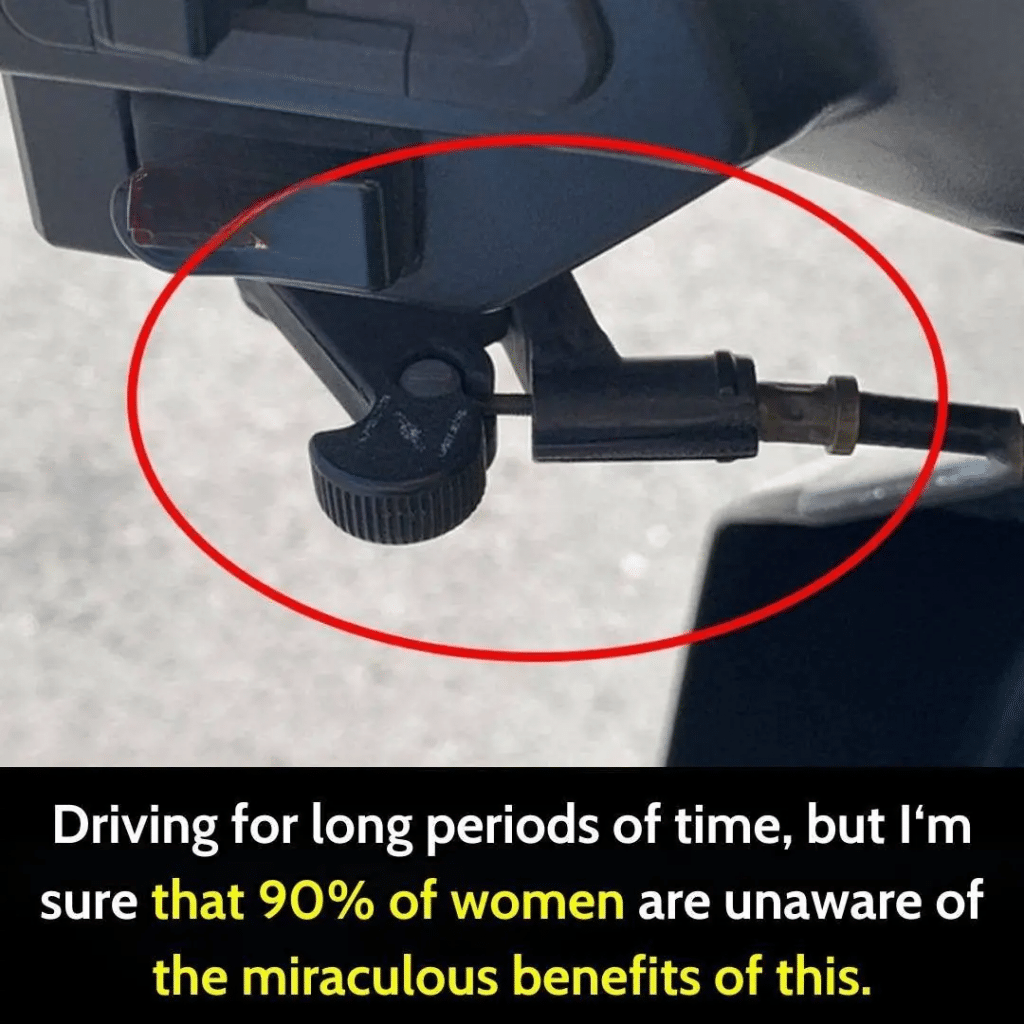
Its job is to regulate the amount of air entering the carburetor, helping adjust the fuel-air mixture needed for engine startup.
How Does It Work?
When you pull the choke lever, the choke valve partially closes, reducing the amount of air entering the carburetor. This creates a richer fuel mixture, which makes it easier for the engine to start, especially under certain conditions.
When you push the choke lever back, the valve returns to its normal position, allowing the correct amount of air to mix with fuel during regular operation.
When Should You Use It?
The choke is most useful when:
- Starting the motorcycle on cold mornings
- Starting an engine that has been parked for a long time
- The engine is difficult to start under low-temperature conditions
By enriching the fuel mixture, the choke helps the engine fire up more easily before it reaches normal operating temperature.
An Important Mistake Many People Make
After the engine starts and begins running smoothly, the choke should be returned to its normal position.
Leaving the choke engaged for too long can cause the engine to receive too much fuel and not enough air, leading to rough running, poor fuel economy, spark plug fouling, or even engine flooding.
Bottom Line
That small lever isn’t just a random switch—it’s a useful tool designed to help carbureted engines start more easily in cold or difficult conditions. Used correctly, it can save you time, reduce strain on the engine, and make starting your motorcycle much smoother.


