Snakes play an important role in nature by helping control populations of rodents, insects, and other small animals. In most cases, they prefer to avoid humans and remain hidden whenever possible.
However, certain yard and garden conditions can unintentionally create environments that snakes find attractive.
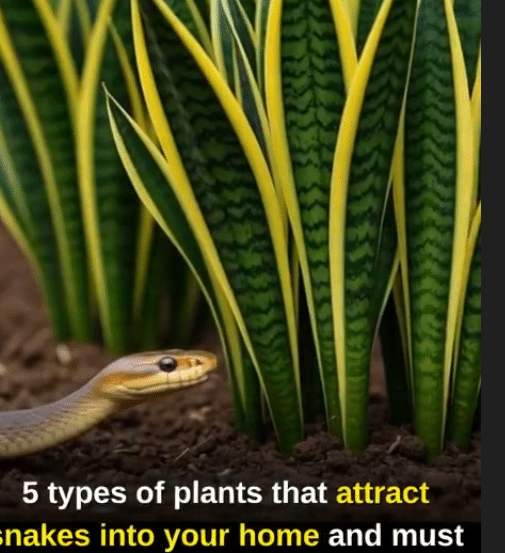
Contrary to popular belief, snakes are not usually attracted to specific plants themselves. Instead, they are drawn to the shelter, moisture, shade, and food sources that some landscaping features provide.
Understanding these factors can help homeowners create outdoor spaces that are both beautiful and less inviting to unwanted wildlife.
What Snakes Are Looking For
Most snakes seek three basic necessities:
- Food
- Water
- Shelter
When a yard provides easy access to these resources, snake activity may increase.
Dense vegetation, cluttered areas, standing water, and abundant prey animals can all contribute to a snake-friendly environment.
Let’s look at five common landscaping features that may indirectly encourage snakes to spend time near your home.
1. Tall Grass and Overgrown Lawns
One of the most common snake hiding places is tall, unmanaged grass.
Overgrown lawns provide:
- Shade from the sun
- Protection from predators
- Moisture retention
- Cover while hunting
Tall grass can also attract rodents, insects, and frogs, which serve as food sources for many snake species.
Regular mowing is one of the easiest ways to make a yard less attractive to snakes.
2. Dense Ground Cover Plants
Ground cover plants can create cool, shaded spaces close to the soil surface.
Examples include:
- Ivy
- Creeping vines
- Dense ornamental covers
- Spreading foliage plants
These areas offer protection and concealment, making them attractive resting spots for wildlife.
Because dense ground cover limits visibility, snakes can remain hidden without being noticed.
3. Thick Shrubs and Decorative Bushes
Large shrubs and ornamental bushes often create ideal shelter conditions.
Snakes may hide:
- Beneath low branches
- Around root systems
- Under accumulated leaves
- Along shaded foundations
When shrubs are planted directly against homes, fences, or outbuildings, they may create hidden pathways that wildlife can use.
Regular pruning and removing debris beneath shrubs can help reduce potential shelter areas.
4. Fruit Trees and Fallen Produce
Fruit trees are not direct snake attractants, but they can trigger a chain reaction that increases snake activity.
Fallen fruit often attracts:
- Rats
- Mice
- Insects
- Small mammals
These animals are common prey for snakes.
Examples of fruit trees that may contribute to increased wildlife activity include:
- Mango trees
- Citrus trees
- Fig trees
- Guava trees
Promptly removing fallen fruit can help reduce pest populations and make the area less attractive to predators.
5. Moisture-Loving Plants and Wet Areas
Many snakes prefer cool environments during hot weather.
Gardens containing heavily irrigated areas or moisture-retaining plants may create favorable conditions.
Examples include:
- Ferns
- Bamboo
- Tropical plants
- Dense moisture-loving foliage
These areas can also attract frogs, insects, and rodents, providing an additional food source.
Standing water and excessive watering may increase overall wildlife activity around the property.
The Environment Matters More Than the Plant
Wildlife experts emphasize that snakes are rarely attracted to a single plant species.
Instead, they respond to the overall habitat.
The most common factors associated with snake activity include:
- Dense vegetation
- Excess moisture
- Yard clutter
- Rodent populations
- Hidden shelter areas
A clean, well-maintained yard is generally far less attractive to snakes.
Other Features That May Attract Snakes
In addition to landscaping, several other outdoor features may encourage snake activity:
- Wood piles
- Rock piles
- Unsecured garbage
- Outdoor pet food
- Bird feeders that attract rodents
- Storage areas with limited disturbance
Managing these conditions can significantly reduce the likelihood of unwanted encounters.
Practical Tips for a Snake-Smart Yard
Keep Grass Short
Regular mowing removes potential hiding spots.
Trim Vegetation
Maintain shrubs, vines, and dense plants to improve visibility.
Remove Clutter
Clear away debris, unused materials, and overgrown areas.
Control Rodents
Reducing prey animals often reduces snake activity.
Eliminate Standing Water
Avoid excessive moisture whenever possible.
Are All Snakes Dangerous?
No.
The vast majority of snake species are non-venomous and prefer to avoid people.
However, because some regions are home to venomous snakes, it is always wise to exercise caution.
If you encounter a snake:
- Remain calm
- Keep a safe distance
- Do not attempt to handle it
- Contact wildlife professionals if necessary
Why Snakes Are Important
Although many people fear snakes, they provide valuable ecological benefits.
They help control:
- Rats
- Mice
- Agricultural pests
- Insect populations
Healthy snake populations contribute to balanced ecosystems and natural pest management.
The goal should be reducing unwanted encounters around homes while respecting the important role snakes play in nature.
Final Thoughts
While certain plants and landscaping features may indirectly encourage snake activity, it is usually the overall environment—not the plants themselves—that attracts them.
Tall grass, dense ground cover, thick shrubs, fallen fruit, and moist garden areas can all create conditions that snakes find appealing.
By maintaining a clean, tidy, and well-managed yard, homeowners can significantly reduce the likelihood of snake encounters while still enjoying a beautiful outdoor space.
A little prevention and regular maintenance can go a long way toward creating a safer environment for both people and wildlife.


