When Paul Revere & the Raiders released “Indian Reservation (The Lament of the Cherokee Reservation Indian)” in 1971, it sounded unlike anything else the band had ever recorded.
Known throughout the 1960s for upbeat rock hits, colorful stage costumes, and energetic television performances, the Raiders had built their reputation on youthful excitement. But “Indian Reservation” carried a different kind of power. It was slower, darker, and more emotional — a song centered on loss, identity, pride, and cultural memory.
More than five decades later, it remains the band’s most widely remembered recording. Its lasting impact comes not only from its chart success, but from the way it invited listeners to think about history, displacement, and resilience through music.
A Band Looking for a New Direction
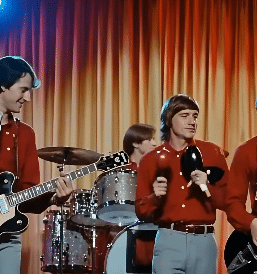
Paul Revere & the Raiders began in Idaho in the late 1950s and became one of America’s most popular rock groups during the 1960s. Led by keyboardist Paul Revere Dick and frontman Mark Lindsay, the band gained national attention with songs such as “Kicks,” “Hungry,” and “Good Thing.”
Their Revolutionary War-style outfits and appearances on television helped make them instantly recognizable. For a time, they represented the excitement of American pop-rock.
But by the end of the 1960s, popular music had changed. Audiences were listening more closely to songs about social issues, personal reflection, and cultural change. Rock music was becoming more serious, and many earlier hitmaking groups struggled to keep up.
For the Raiders, “Indian Reservation” became an unexpected reinvention. It gave the band a new identity at a time when their earlier sound was beginning to fade from the mainstream.
The Story Behind the Song
“Indian Reservation” was written by John D. Loudermilk and focused on the pain and displacement connected to Native American history, especially the Cherokee people.
Before the Raiders recorded it, the song had already been released by Don Fardon in 1968. That version found some success, but it was the Raiders’ 1971 recording that turned the song into a major American hit.
Mark Lindsay recognized the song’s emotional strength. The Raiders’ version featured a dramatic arrangement, powerful vocals, and a haunting mood that helped it stand apart from typical radio singles of the era.
Although Lindsay reportedly considered releasing it as a solo recording, the track was ultimately issued under the Raiders’ name. That choice changed the band’s legacy forever.
A Dramatic Change in Sound
From the opening notes, “Indian Reservation” feels serious and reflective. Instead of the fast, playful energy that defined many Raiders hits, the song moves with a steady, mournful intensity.
Its minor-key melody, strong percussion, layered production, and emotional vocal delivery created a sound that was both memorable and unsettling. Mark Lindsay’s voice gave the lyrics a sense of sadness and urgency, helping listeners connect with the pain behind the story.
The famous chorus — centered on Cherokee pride and survival — became one of the most recognizable moments in early 1970s pop music.
The song did not rely on anger or shock value. Instead, it used melancholy, repetition, and atmosphere to leave a lasting impression.
A Massive Hit
Released in 1971, “Indian Reservation” became the biggest hit of Paul Revere & the Raiders’ career. It reached No. 1 on the Billboard Hot 100 and sold millions of copies.
At a time when many 1960s rock bands were losing commercial momentum, the single brought the Raiders back into the spotlight. It also introduced them to listeners who may not have followed their earlier work.
The success of the song proved that a serious subject could still connect with a mass audience. In an era filled with changing cultural attitudes, “Indian Reservation” showed that mainstream music could be both emotional and commercially successful.
More Than a Classic Rock Hit
What made “Indian Reservation” different was its subject matter. The early 1970s were a period of growing awareness around civil rights, cultural identity, historical injustice, and Indigenous rights.
The song was created and performed by non-Indigenous artists, which has led to later discussion about representation and perspective. Still, for many mainstream listeners at the time, it was one of the first pop songs to bring attention to themes of Native American suffering and survival.
Its message gave the record a weight that went beyond entertainment. It encouraged reflection. It made people listen to history through emotion.
That is why the song has remained part of classic radio, music documentaries, and conversations about socially conscious pop music.
Why It Still Matters Today
The reason “Indian Reservation” continues to resonate is simple: its themes have not disappeared.
Questions about cultural preservation, identity, historical memory, and resilience remain deeply important. The song reminds listeners that music can carry stories across generations, even when those stories are painful.
For fans who grew up in the 1970s, the song is also tied to memory. Hearing it can bring back a specific time, place, and feeling. But beyond nostalgia, it still carries emotional meaning.
“Indian Reservation” became Paul Revere & the Raiders’ defining song because it took a band known for fun, energetic rock and revealed a deeper, more serious side. It proved that popular music could entertain while also encouraging empathy and awareness.
More than fifty years later, the song remains unforgettable because its message still feels powerful, haunting, and deeply human.


