For many people, falling asleep with a fan running is part of their nightly routine. The gentle hum provides soothing background noise, while the moving air can make a room feel cooler and more comfortable.
But while fans can be helpful in certain situations, sleep experts say they aren’t always the perfect solution for achieving deep, restorative rest.
The real key to better sleep may not be the fan itself—but maintaining the right sleeping environment and temperature throughout the night.
Why Sleep Quality Matters
Sleep isn’t simply about spending enough hours in bed.
Quality sleep plays a critical role in:
- Mental focus and concentration
- Mood regulation
- Physical recovery
- Immune system function
- Long-term cardiovascular health
Most health professionals recommend that adults aim for seven to nine hours of sleep each night. However, even if you’re spending enough time in bed, poor sleep quality can leave you feeling tired, irritable, and less productive the next day.
That’s why creating an ideal sleep environment is so important.
The Role of Temperature in Sleep
One of the most overlooked factors affecting sleep is room temperature.
As your body prepares for sleep, its core temperature naturally begins to decrease. This cooling process helps signal that it’s time to rest.
Later in the morning, body temperature gradually rises again, helping trigger wakefulness.
When your sleeping environment supports this natural cycle, it becomes easier to fall asleep and remain asleep throughout the night.
If the room is too warm, your body may struggle to cool down properly.
If the room is too cold, your body must work harder to maintain warmth.
Either situation can interfere with restful sleep.
What Temperature Is Best?
Many sleep specialists suggest that an ideal bedroom temperature falls between:
60°F and 67°F (15°C to 19°C)
Of course, personal preferences vary, and some people may feel more comfortable slightly above or below this range.
The goal is to create an environment where your body doesn’t have to constantly adjust to temperature changes during the night.
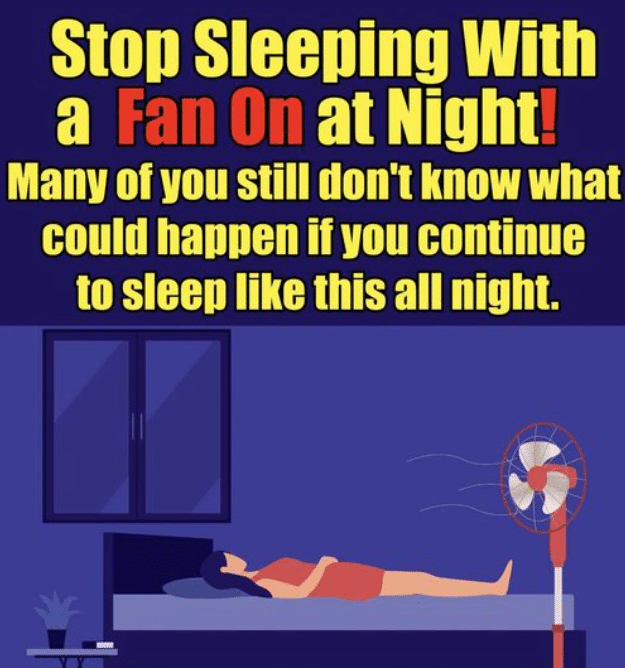
Can Sleeping With a Fan Cause Problems?
Fans are often used to improve comfort, especially during warmer months.
However, it’s important to understand what fans actually do.
A fan moves air around a room, creating a cooling sensation on the skin. It does not significantly lower the room’s overall temperature.
Depending on conditions, this can create a few potential issues.
You May Become Too Cold
If your room is already cool, continuous airflow blowing directly onto your body can sometimes cause you to feel chilly during the night.
This may lead to:
- Frequent awakenings
- Difficulty staying asleep
- Muscle stiffness in some individuals
It May Not Be Enough During Hot Weather
On very warm nights, a fan alone may not adequately cool your sleeping environment.
As a result, your body may continue struggling to regulate temperature, potentially causing sweating and interrupted sleep.
Airflow Can Dry Out Sensitive Areas
For some people, prolonged airflow may contribute to:
- Dry eyes
- Dry throat
- Nasal irritation
Those with allergies or sinus sensitivities may notice these effects more than others.
Other Ways to Improve Your Sleep Environment
Instead of relying solely on a fan, consider creating a sleep-friendly bedroom with multiple comfort strategies.
Choose Breathable Bedding
Materials such as:
- Cotton
- Linen
- Bamboo fabrics
allow better airflow and help reduce overheating.
Wear Lightweight Sleepwear
Comfortable clothing made from breathable fabrics can help regulate body temperature naturally.
Select the Right Mattress
Some mattresses retain more heat than others.
Many modern sleep products now include cooling technologies designed to improve airflow and temperature control.
Keep the Room Comfortable
Whether through air conditioning, ventilation, or proper insulation, maintaining a stable room temperature can significantly improve sleep quality.
Fans Aren’t Bad—But Balance Matters
Despite alarming headlines, sleeping with a fan isn’t necessarily harmful for most healthy individuals.
In fact, many people find fans helpful because they:
- Create white noise
- Improve air circulation
- Increase comfort during warm weather
The key is using them appropriately.
Positioning a fan so that it circulates air throughout the room rather than blowing directly onto your face or body may help reduce potential discomfort.
The Bottom Line
If you regularly sleep with a fan on, there’s no reason to panic.
However, if you’re waking up feeling cold, congested, dry, or unrested, your fan could be contributing to the problem.
The most important factor isn’t whether you use a fan—it’s whether your bedroom environment supports your body’s natural sleep cycle.
A comfortable temperature, breathable bedding, and a consistent bedtime routine can make a bigger difference than many people realize.
Sometimes better sleep isn’t about spending more hours in bed—it’s about creating the right conditions for your body to truly rest.


