In the age of viral home hacks, it’s easy to get swept up in simple, low-cost solutions that promise big results. One of the latest trends making waves across social media platforms like TikTok and YouTube involves placing a ball of aluminum foil inside your toilet tank. The claims? Reduced water usage, fewer leaks, prevention of rust, and even a cleaner toilet bowl.
At first glance, it sounds like a genius trick—cheap, easy, and effective. But before you toss a sheet of foil into your toilet tank, it’s worth taking a closer look at whether this method actually delivers on its promises—or if it’s just another internet myth gaining traction without real evidence.
Why This Hack Went Viral
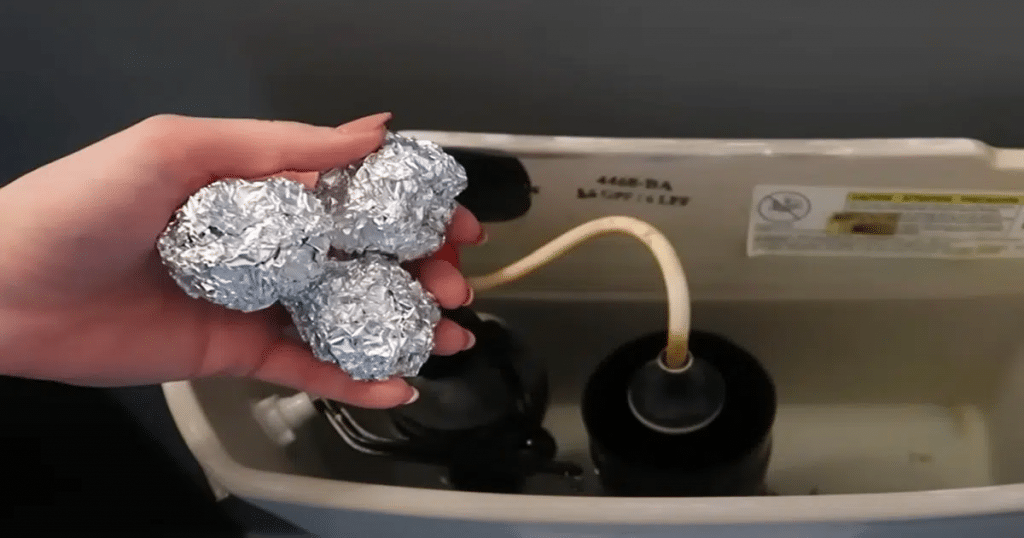
Social media thrives on quick fixes and eye-catching results. A single video demonstrating a “life-changing” hack can rack up millions of views in hours. The aluminum foil trick is no exception. Once a few users claimed success, the idea spread rapidly, turning speculation into perceived fact.
Part of the appeal lies in aluminum foil itself. It’s already known as a versatile household item—used for cleaning, sharpening scissors, and even improving ironing efficiency. Because it’s metallic and resistant to corrosion, many assume it must have similar benefits inside a toilet tank.
But assumptions don’t always hold up under scrutiny.
Claim #1: It Saves Water
One of the most popular claims is that aluminum foil reduces water usage by taking up space in the tank, meaning less water is needed per flush.
While it’s true that reducing tank volume can lower water consumption, aluminum foil is not an effective tool for this purpose. Unlike solid displacement devices—such as water-filled bottles or specialized tank inserts—foil is extremely lightweight. It tends to float and shift around rather than staying firmly in place.
Because of this, the actual amount of water it displaces is minimal—so minimal, in fact, that it has virtually no impact on your water bill.
If your goal is to save water and cut utility costs, proven solutions like low-flow toilets or tank displacement devices are far more reliable and efficient.
Claim #2: It Prevents Toilet Leaks
Another widespread belief is that aluminum foil can improve the seal of the flapper valve, helping to stop leaks.
In reality, toilet leaks are typically caused by worn-out or damaged components—especially the rubber flapper. Over time, these parts degrade due to constant exposure to water and minerals.
Adding foil doesn’t fix this issue. It doesn’t repair rubber, restore shape, or remove mineral buildup. In fact, placing foreign objects inside the tank could interfere with the flushing mechanism, potentially making the problem worse instead of better.
Claim #3: It Stops Rust and Mineral Buildup
Video: Put aluminum foil in your toilet…and THIS will Happen! (Dollar Tree Trick)
Some proponents argue that aluminum foil can prevent rust or mineral deposits from forming inside the tank.
This claim lacks scientific backing. Rust and scale buildup are influenced by water chemistry—particularly mineral content and pH levels. Aluminum foil does not alter these properties.
As explained in the original analysis , aluminum cannot neutralize iron, eliminate calcium deposits, or change the composition of your water supply. In some cases, it may even react with cleaning chemicals, breaking down and creating debris inside the tank.
Claim #4: It Keeps the Toilet Bowl Cleaner
The final promise is that foil helps maintain a cleaner toilet bowl by improving tank conditions.
Unfortunately, this idea falls apart when the previous claims are disproven. Since aluminum foil doesn’t prevent rust, leaks, or buildup, it also doesn’t contribute to a cleaner bowl.
Toilet cleanliness depends on factors like water quality, frequency of cleaning, and the condition of the bowl’s surface. Aluminum foil has no antibacterial or antimicrobial properties, so it won’t prevent stains, bacteria, or grime from forming.
Potential Risks You Shouldn’t Ignore
Even if the trick seems harmless, there are a few risks worth considering. Loose foil can interfere with moving parts inside the tank, potentially disrupting the flushing mechanism. Small fragments may break off and create clogs or block water flow. Additionally, many manufacturers advise against placing foreign objects inside the tank, as doing so could void warranties if damage occurs.
There’s also a hidden risk: relying on unproven hacks can delay proper maintenance. A minor leak left untreated can waste significant amounts of water over time, leading to higher utility bills and potential plumbing damage.
What Actually Works
If you’re looking to improve your toilet’s efficiency or cleanliness, there are proven solutions that deliver real results. Installing a low-flow or dual-flush toilet can significantly reduce water usage. Replacing a worn flapper valve is an inexpensive and effective way to fix leaks. For mineral buildup, using appropriate descaling products or installing a water softener can make a noticeable difference. Regular cleaning with non-abrasive products will also help keep your toilet bowl fresh and hygienic.
Final Verdict
Aluminum foil may be a handy tool in the kitchen, but it doesn’t belong in your toilet tank. The benefits promoted online simply aren’t supported by science or professional plumbing advice. At best, the trick does nothing. At worst, it could lead to unnecessary complications.
In the end, this viral trend is a perfect example of how quickly misinformation can spread online. Before trying any household hack, it’s always worth taking a moment to separate fact from fiction.


