At first glance, they don’t look dangerous at all.
With their spotted wings and flashes of bright red color, spotted lanternflies almost look exotic or decorative. Many people even mistake them for harmless moths.
But experts say these insects can cause serious damage to trees, gardens, crops, and local ecosystems.
And if you’ve recently started seeing them in your backyard, you’re not alone.
The spotted lanternfly, scientifically known as Lycorma delicatula, continues spreading across parts of the United States, worrying farmers, environmental agencies, and homeowners alike.
What Is a Spotted Lanternfly?
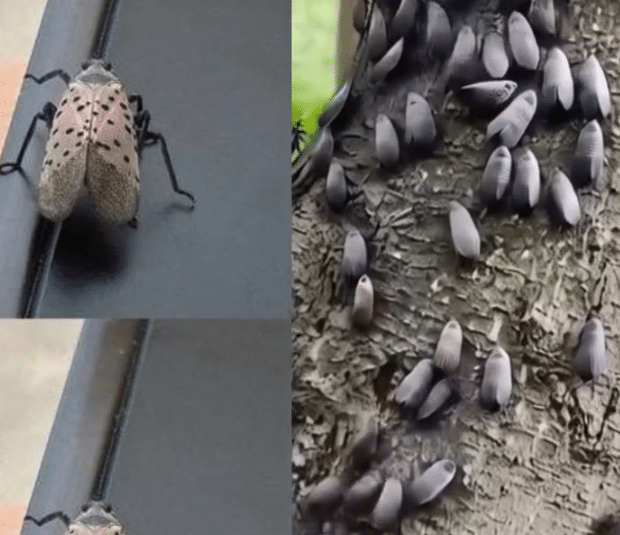
The spotted lanternfly is an invasive insect originally native to parts of Asia, including China and Vietnam.
It was first detected in Pennsylvania in 2014 and has since spread into multiple states.
Although the insect does not bite or directly harm humans, it poses a major threat to agriculture and plant life.
Lanternflies feed by piercing plants and sucking out sap, weakening trees and crops over time.
Why Lanternflies Are Such a Problem
One of the biggest concerns is the wide variety of plants they attack.
Spotted lanternflies commonly feed on:
- Maple trees
- Fruit trees
- Grapevines
- Hops
- Walnut trees
- Ornamental plants
As they feed, they leave behind a sticky sugary substance called honeydew.
This residue encourages the growth of black sooty mold, which can coat leaves and interfere with photosynthesis.
Over time, heavily infested plants may weaken, decline, or become more vulnerable to disease.
How to Identify a Spotted Lanternfly
Recognizing them early is important.
Adult spotted lanternflies are typically:
- About 1 inch long
- Gray with black spots
- Bright red and black underneath the wings
- Fast climbers and jumpers
The younger stages, called nymphs, look different.
Young nymphs are black with white spots, while older ones develop bright red patches before reaching adulthood.
Where They Usually Hide
Lanternflies often gather on:
- Tree trunks
- Outdoor furniture
- Decks
- Fences
- Garden plants
- Vehicles
They are especially attracted to a plant called the “tree-of-heaven,” one of their preferred host trees.
Large infestations may leave trees looking wet or sticky because of the honeydew buildup.
Why Experts Recommend Removing Them
Because spotted lanternflies spread quickly and damage vegetation, agricultural agencies in many areas encourage people to help control populations.
Common recommendations include:
- Removing visible insects
- Destroying egg masses
- Reporting sightings in affected regions
- Inspecting vehicles and outdoor equipment
Egg masses are especially important to watch for.
They often look like gray smears of dried mud and may contain dozens of eggs.
These eggs can easily spread when attached to cars, firewood, trailers, or outdoor furniture.
How Lanternflies Spread So Fast
One reason the species has become such a large problem is because people unknowingly transport them.
Egg masses can survive on many surfaces and hatch in entirely new locations.
This allows lanternflies to expand rapidly across states and communities.
That’s why experts recommend checking outdoor equipment carefully before traveling.
The Impact on Farms and Ecosystems
Farmers have become especially concerned because lanternflies threaten valuable crops such as:
- Grapes
- Apples
- Peaches
- Hardwood trees
Large infestations may lead to reduced crop production and economic losses.
Researchers are also studying how the insect affects native ecosystems and wildlife habitats over time.
What Homeowners Should Do
If you spot spotted lanternflies in your yard, experts recommend staying informed through local agricultural or environmental agencies.
In many affected areas, officials encourage residents to remove egg masses and report sightings to help slow the spread.
The sooner infestations are identified, the easier they are to manage.
And while these insects may look harmless at first, their impact on trees and plants can become serious surprisingly quickly.