As cremation becomes more common around the world, many Christians continue asking an important spiritual question: does the Bible consider cremation a sin?
The topic has sparked growing discussion among believers, pastors, and theologians as changing funeral traditions challenge centuries of religious customs surrounding d*ath and burial.
While some Christians remain uncomfortable with cremation due to biblical symbolism and long-standing traditions, many religious scholars say scripture does not directly forbid the practice.
Cremation Becoming More Common Worldwide
In recent decades, cremation rates have increased significantly, especially across Western countries.
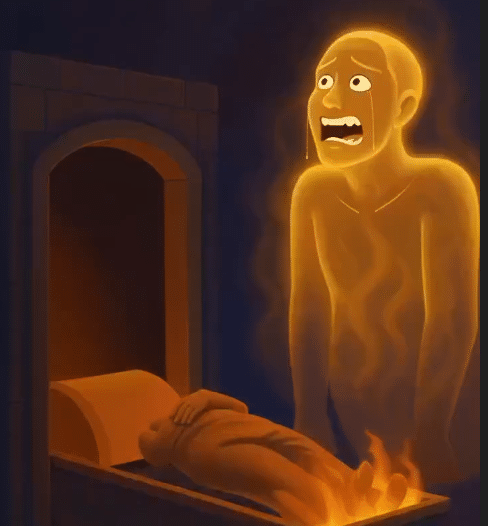
Experts point to several reasons behind the shift, including rising funeral costs, limited cemetery space, environmental concerns, and changing cultural attitudes toward end-of-life practices.
For many families, cremation is viewed as a simpler and more affordable alternative to traditional burial.
Despite its growing popularity, however, the practice continues to raise spiritual concerns among some believers who wonder whether cremation conflicts with biblical teachings.
Bible Does Not Explicitly Forbid Cremation
One of the most important points in the debate is that the Bible never directly commands Christians to avoid cremation.
Scripture contains no specific prohibition declaring cremation sinful.
Instead, the preference for burial in Christianity largely developed through biblical customs and historical traditions rather than direct religious law.
Throughout the Bible, burial was the most common method used after de*th.
Major biblical figures including Abraham, Moses, and Jesus were all buried rather than cremated. Because of this, burial became deeply connected with Christian symbolism surrounding rest, dignity, and resurrection.
Burial Symbolizes Hope of Resurrection
For many Christians, traditional burial carries powerful spiritual meaning.
The burial of Jesus Christ and belief in bodily resurrection became central themes in Christian theology, leading generations of believers to view burial as a reflection of faith in eternal life.
Some theologians argue that the human body should be treated with special honor because scripture refers to the body as the “temple of the Holy Spirit.”
Historically, cremation also carried associations with pagan rituals in certain ancient cultures, which contributed to discomfort among early Christians.
Those historical connections continued influencing Christian attitudes toward cremation for centuries.
Many Christian Leaders Say Cremation Is Not a Salvation Issue
Today, however, many pastors and religious scholars teach that cremation does not affect salvation or resurrection.
They emphasize that God’s power is not limited by the physical condition of human remains.
Whether a body returns to the earth through burial, fire, or natural decay, many Christian leaders believe the promise of eternal life remains unchanged.
According to this view, faith and spiritual relationship with God matter far more than the specific method chosen after de*th.
Several major Christian denominations now officially permit cremation, though some still encourage burial when possible because of its symbolic connection to biblical tradition.
Decision Often Comes Down to Personal Belief
For many families, the choice between burial and cremation ultimately becomes a deeply personal decision shaped by faith, culture, finances, and individual wishes.
Some Christians continue choosing burial to honor tradition and religious symbolism.
Others believe cremation can still reflect dignity, respect, and faith while offering practical advantages for modern families.
Religious leaders often encourage believers to focus less on fear surrounding funeral practices and more on the spiritual hope central to Christianity.
Ongoing Discussion Reflects Changing Traditions
As funeral practices continue evolving around the world, discussions about cremation remain an important topic within many churches and faith communities.
While opinions differ across denominations and individuals, most modern Christian scholars agree on one key point: the Bible does not clearly declare cremation a sin.
For believers, the greater focus remains on faith, compassion, and the promise of life beyond d*ath — a hope many say transcends both burial and ashes.


