One of the d*adliest migration disasters in recent years unfolded in the Mediterranean Sea when the overcrowded fishing vessel Adriana capsized off the coast of Greece on June 14, 2023.
The tragedy resulted in the loss of hundreds of lives and reignited global debates surrounding migration, human trafficking networks, maritime safety, and international responsibility.
A Dangerous Journey Across the Sea
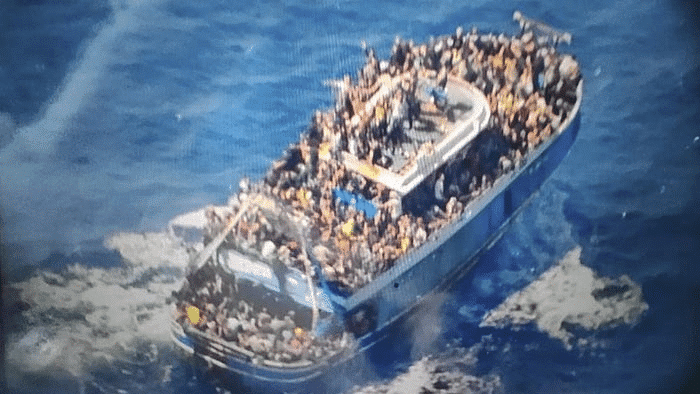
According to reports, the vessel was carrying approximately 750 people attempting to reach Europe in search of safety and better opportunities.
Many passengers were believed to be migrants fleeing conflict, poverty, and instability from countries including:
- Syria
- Pakistan
- Egypt
The journey reportedly began in Libya, where migrants boarded the overcrowded fishing trawler operated by suspected smuggling networks.
Conditions Onboard Were Extremely Dangerous
Survivor accounts and investigations later revealed horrifying conditions aboard the vessel.
Passengers were reportedly packed tightly across every level of the boat, with little room to move.
Authorities and witnesses said:
- There were insufficient or no life jackets available
- Women and children were placed in lower compartments
- Food and drinking water became critically limited
- Sanitation conditions deteriorated rapidly
What was expected to be a three-day crossing reportedly turned into a humanitarian disaster.
Mechanical Failure Triggered a Crisis
By the second day at sea, the vessel reportedly began experiencing engine problems.
As the journey continued:
- Food supplies were exhausted
- Drinking water ran out
- Passengers became increasingly weak and dehydrated
- Reports of de*ths onboard began emerging
Distress signals were eventually sent as conditions worsened dramatically.
The Vessel Capsized Overnight
In the early hours of June 14, the situation reached a catastrophic breaking point.
The Adriana suddenly capsized in international waters off the coast of Greece under circumstances that remain under investigation.
Rescue operations began immediately, but the scale of the tragedy quickly became clear.
According to official reports:
- More than 600 people are feared d*ad
- Only 104 survivors were rescued
- 82 bodies were initially recovered
- No women or children were reported among the survivors
Search and recovery operations continued for days afterward.
Global Attention and Questions About Responsibility
The disaster sparked intense international scrutiny regarding how the situation was handled before the vessel sank.
Questions were raised involving:
- The actions of suspected human smuggling networks
- Coast guard monitoring and response timing
- International migration policies
- Maritime rescue responsibilities
Some experts and human rights organizations argued the tragedy may have been preventable with earlier intervention and stronger international coordination.
The Growing Crisis of Dangerous Sea Crossings
The Adriana disaster is part of a larger humanitarian crisis involving migrants risking dangerous sea journeys to reach Europe.
Thousands of people continue attempting crossings each year despite overcrowded boats, unsafe conditions, and the threat of exploitation by trafficking networks.
Humanitarian organizations say many migrants feel they have few alternatives due to war, economic instability, or persecution in their home countries.
The tragedy highlighted:
- The dangers of irregular migration routes
- The exploitation carried out by smuggling organizations
- The need for safer migration pathways
- The importance of coordinated international rescue systems
Why the Story Resonated Worldwide
For many people around the world, the disaster became a heartbreaking symbol of desperation and vulnerability.
The scale of the loss shocked humanitarian groups and maritime experts alike.
Many observers also noted how quickly global attention shifted away despite the enormous human toll involved.
The incident renewed calls for governments and international agencies to address migration issues through both humanitarian support and stronger prevention efforts.
Final Thoughts
The sinking of the Adriana in the Mediterranean Sea remains one of the most devastating maritime tragedies in recent memory.
Behind the numbers were hundreds of individuals and families searching for safety, opportunity, and a better future.
The disaster continues to raise urgent questions about migration, rescue responsibilities, and how the international community responds to humanitarian crises at sea.
For many, it serves as a painful reminder that behind every headline are real human lives forever changed.


