Beaches are often associated with relaxation, sunshine, and unforgettable vacations. However, not every beautiful shoreline is as safe as it looks. Around the world, some beaches attract visitors with stunning views while hiding serious risks such as powerful rip currents, shark activity, toxic wildlife, pollution, volcanic hazards, and extreme weather conditions.
Before booking a beach vacation, travelers should always research local safety warnings, check weather and tide conditions, and follow guidance from lifeguards or local authorities. Here are ten of the most treacherous beaches around the globe.
1. Hanakapiai Beach, Hawaii
Hanakapiai Beach on Kauai’s Na Pali Coast is breathtaking, but it is also known for extremely dangerous ocean conditions. The beach has no protective reef, which allows powerful waves and rip currents to pull swimmers away from shore.
Many visitors arrive after hiking the famous Kalalau Trail, but the beauty of the location can create a false sense of safety. Swimming here is strongly discouraged, especially when surf conditions are rough. For personal safety, travelers should enjoy the view from the sand and avoid entering the water.
2. Skeleton Coast, Namibia
Namibia’s Skeleton Coast is one of the most dramatic coastal regions in the world. Its name comes from shipwrecks, whale bones, and the harsh conditions that have made the area famous.
The coastline is known for rough seas, dense fog, strong currents, and remote surroundings. Wildlife may also pose risks, and emergency help can be far away. While it is an incredible destination for photography and adventure travel, it is not a typical swimming beach.
3. Cape Tribulation Beach, Australia
Cape Tribulation in Queensland is where the rainforest meets the reef, creating one of Australia’s most unique landscapes. However, the area also comes with serious natural hazards.
Visitors may encounter dangerous jellyfish during certain seasons, and crocodiles can be present in coastal waters and nearby rivers. This makes swimming risky without proper local advice. Travelers should pay close attention to warning signs and avoid entering the water when conditions are unsafe.
4. New Smyrna Beach, Florida
New Smyrna Beach is a popular Florida destination for surfers and beachgoers, but it is also widely known for frequent shark encounters. The area’s warm waters and active marine environment attract both people and sharks.
Most shark bites in this region are not fatal, but the risk is still real. Surfers and swimmers should avoid murky water, stay away from areas with baitfish, and never swim alone. Travel insurance and basic beach safety awareness are smart choices for anyone planning an ocean-focused trip.
5. Fraser Island, Australia
Fraser Island, also known as K’gari, is famous for its natural beauty, sand dunes, and freshwater lakes. However, the ocean beaches can be dangerous because of strong currents, rough surf, and marine hazards.
The island is also home to dingoes, which are wild animals and should never be approached or fed. Visitors should follow park rules, store food securely, and stay alert. For families and travelers, safety planning is just as important as sightseeing.
6. Gansbaai, South Africa
Gansbaai is often associated with great white sharks and marine tourism. The waters around this region have long attracted people interested in shark cage diving and ocean wildlife.
Although guided tours can be managed professionally, open-water swimming is not recommended in areas known for shark activity. Visitors should only book with reputable operators and follow all safety instructions. This is a destination where adventure comes with responsibility.
7. Playa Zipolite, Mexico
Playa Zipolite is beautiful and popular with travelers, but it has a dangerous reputation because of powerful rip currents. Even experienced swimmers can struggle when pulled away from shore.
The beach has improved safety measures over the years, but visitors should still be cautious. Swimming only in designated areas and paying attention to flags can reduce risk. For anyone traveling on a budget or planning a long beach stay, safety should never be overlooked.
8. Kilauea Beach Area, Hawaii
Some coastal areas near volcanic activity in Hawaii can present unusual hazards. Depending on location and conditions, risks may include unstable land, hot surfaces, volcanic gases, or dangerous ocean entry points.
While Hawaii remains one of the world’s most popular travel destinations, visitors should always respect restricted areas and official warnings. Volcanic landscapes are powerful and unpredictable, making preparation essential.
9. Chowpatty Beach, India
Chowpatty Beach in Mumbai is culturally important and often crowded during festivals and public events. However, water pollution has been a long-standing concern in the area.
Swimming in polluted water can expose visitors to health risks. While the beach may be worth visiting for its atmosphere, food culture, and city views, travelers should avoid treating it like a clean swimming destination. Health precautions are especially important for children and international visitors.
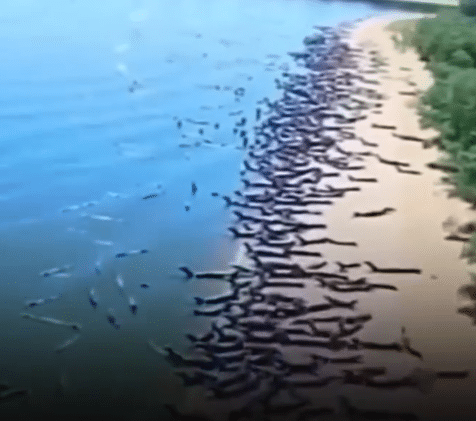
10. Amazon River Beaches, South America
The Amazon region has beaches along rivers rather than traditional ocean coastlines. These areas may look calm, but they can contain hidden dangers, including strong currents, wildlife, and unpredictable water conditions.
Depending on the location, risks may include piranhas, caimans, electric eels, or other animals. Travelers should rely on local guides and avoid swimming in unfamiliar waters. Adventure tourism in the Amazon can be unforgettable, but it requires careful planning and respect for nature.
Final Thoughts
A beach can be beautiful and dangerous at the same time. Whether the risk comes from rip currents, sharks, pollution, wildlife, or volcanic activity, preparation is key. Before visiting any unfamiliar coastline, check local advisories, follow posted signs, and consider travel insurance for added peace of mind.
Paradise is best enjoyed when safety comes first.


